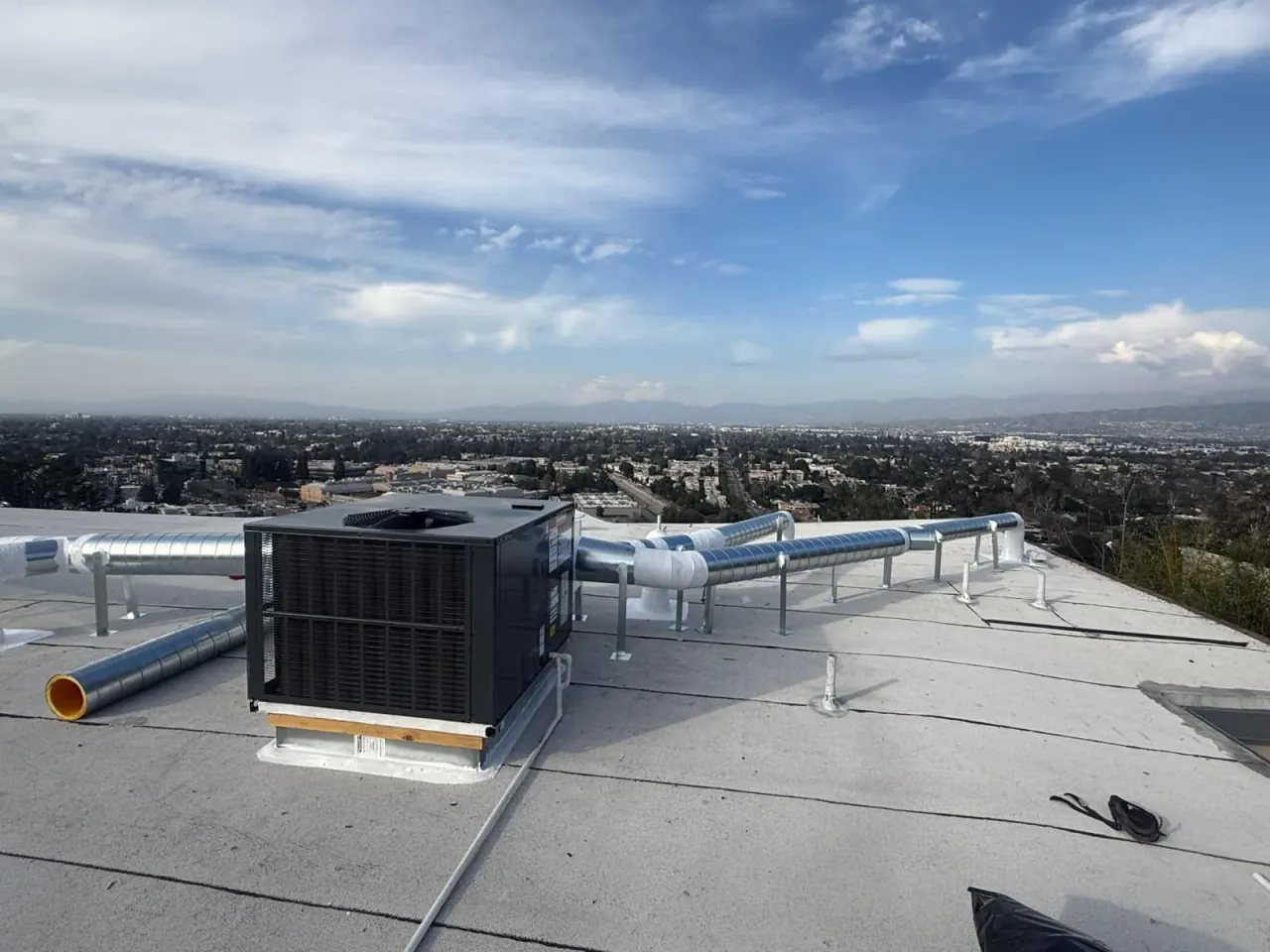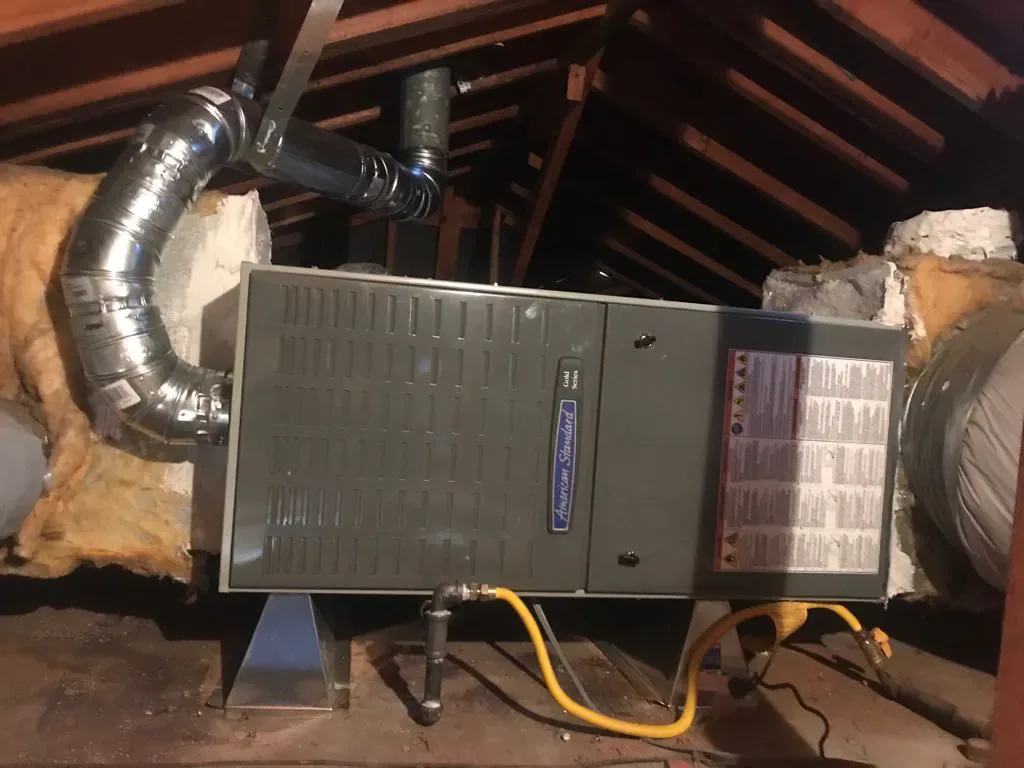
Yes: in the City of Los Angeles, replacing an AC and furnace needs an HVAC permit from the Department of Building and Safety (LADBS). LADBS requires a mechanical permit for any installation or modification of heating and cooling systems (LADBS, as of October 2026). When you hire a licensed C-20 contractor, pulling that permit is normally the contractor's job, so the written estimate should say who pulls it.
A permit applied for since January 1, 2026 also follows California's 2025 Energy Code, which can add a duct leakage test verified by a certified ECC-Rater. A handyman cannot take this job: the state's $1,000 handyperson exemption covers only work that needs no permit.
Planning the replacement itself? Our page on AC installation in Los Angeles covers the equipment and the free estimate, or call (310) 507-7172, open 24/7.
Who Pulls the HVAC Permit: Your Contractor or You?
LADBS issues a permit to the property owner, to a licensed contractor, or to an agent of either who brings a letter of authorization from the property owner (LADBS homeowner guide, as of August 2026). Which one fits depends on who does the work.
You hire a C-20 contractor
This is the usual route: the contractor pulls the permit. The state contractors board wrote to every C-20 contractor that a change-out of the air handler, coil, furnace or condenser needs a permit, and that a contractor who fails to get one breaks the law and faces discipline, including fines and loss of the license (CSLB open letter, February 1, 2010).
You pull it yourself
LADBS lets a homeowner apply for single-family e-permits of every type, mechanical included. You show the recorded grant deed as proof of ownership, and when LADBS issues a permit to an owner it asks for an Owner-Builder Declaration completed by the owner. If a contractor you are paying asks you to do this, ask why the permit is not in their name.
A handyman offers to do it
Since January 1, 2025, an unlicensed person may take a job only if it totals up to $1,000, nobody is hired to help and no permit is needed (CSLB, AB 2622). A permitted job needs a contractor licensed in the right classification.
The contractors board asks homeowners to confirm an active C-20 license in good standing before any new heating and cooling system (CSLB); check the record on the CSLB license check. Global Green Solutions is licensed, CSLB #992930, with the C-20 classification on its record. Our guide on how to choose an HVAC contractor covers the other checks.
Does the 2025 Energy Code Change an AC and Furnace Replacement?
Yes: permit applications filed on or after January 1, 2026 must meet the 2025 Energy Code (California Energy Commission). For an existing single-family home, Section 150.2(b) of the code sets what each kind of replacement must pass. The installer runs the field tests and a certified ECC-Rater verifies them: on January 1, 2026 that verification moved from the old HERS program to the Energy Code Compliance program (Energy Commission).
| What the job changes | What the 2025 Energy Code asks |
|---|---|
| Outdoor unit, air handler or indoor coil replaced | The ducts connected to it are sealed and tested: leakage at most 10% of the air handler's airflow, or at most 7% leaking to the outside. When neither can be reached, every accessible leak is sealed and checked by an ECC-Rater with a visual inspection and a smoke test. |
| Refrigerant parts of an AC replaced (compressor, coils, refrigerant lines) | Every thermostat on the system becomes a setback thermostat. For an air-cooled AC in climate zones 2 and 8 through 15, the airflow (at least 300 cfm per ton of cooling) and the refrigerant charge are verified, where the code's procedures can test that type of system. An entirely new packaged unit charged at the factory skips the field charge check; a ducted one still gets the airflow check. |
| A heat pump goes in | The same airflow and refrigerant charge checks, in every climate zone, with the same exception for a factory-charged packaged unit. |
| More than 25 feet of new or replacement duct | New ducts in unconditioned space, such as an attic, are insulated to R-8 in climate zone 9 (R-6 in zones 3 and 5 through 7), and the altered duct system is sealed and tested. |
| A whole new duct system | Measured leakage at most 5% of the air handler's airflow. |
| Equipment or ducts in the garage | Leakage at most 6%, or every accessible leak in the garage sealed and smoke tested by an ECC-Rater. |
| The heating system replaced | The new system may not use electric resistance as its main heat. A home that already heats that way may keep non-ducted electric heat, and ducted electric heat only when no ducted AC is replaced or added with it; in climate zones 7 and 15, any existing electric resistance heat may stay. |
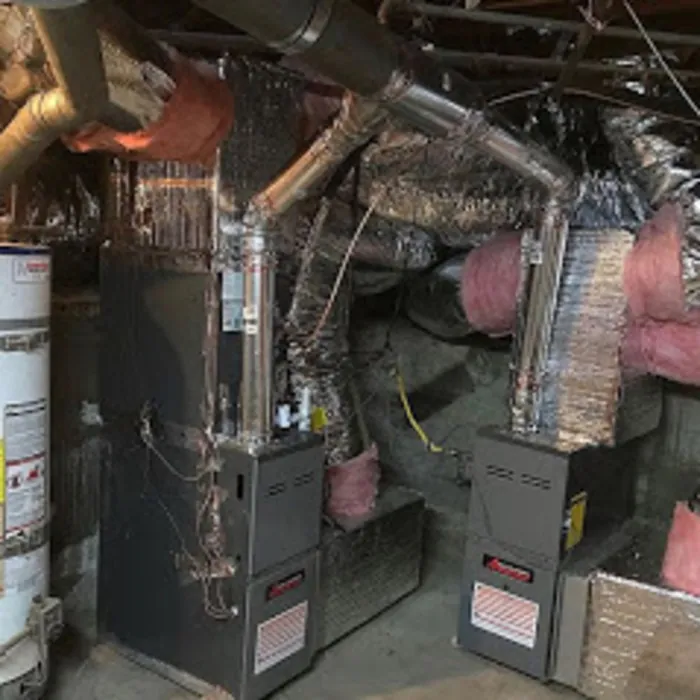
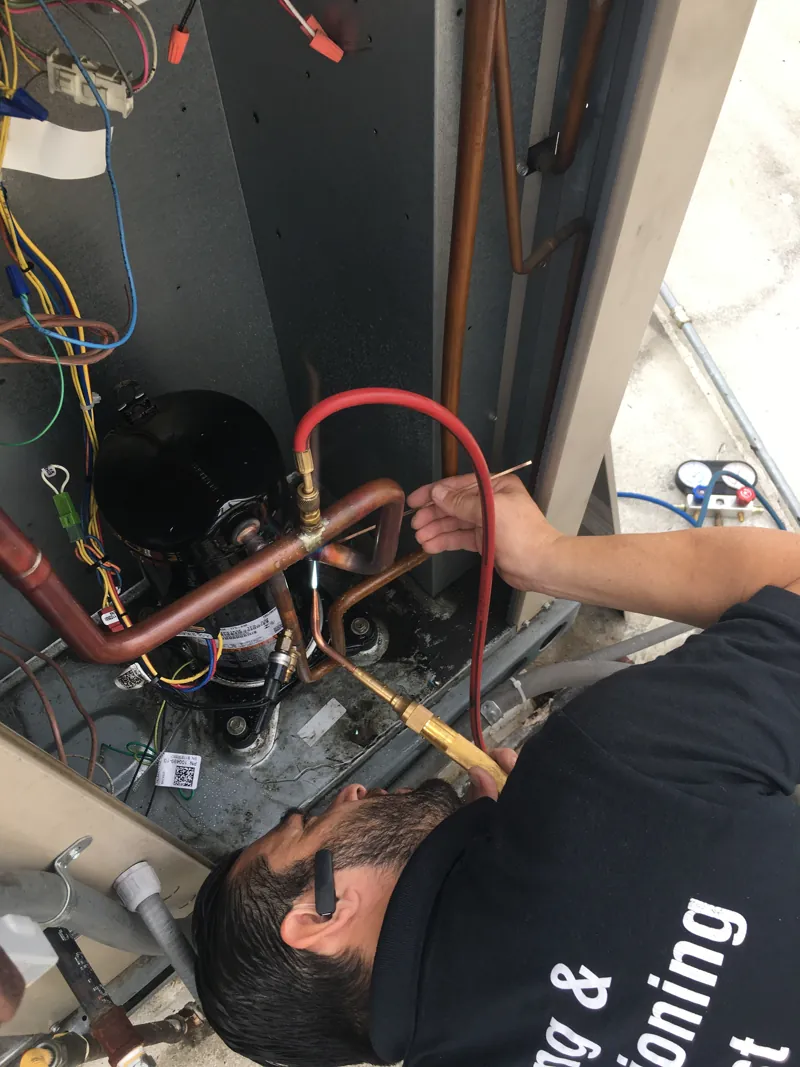
When the duct test does not apply
The test that comes with new equipment has three exceptions in the code: ducts already sealed and verified by field testing, with the paperwork to show it; a duct system under 40 linear feet in total, judged by looking at it; and ducts built, insulated or sealed with asbestos. These exceptions belong to that equipment-replacement test only: altered ducts, an air handler or a coil in a garage still meet the garage leakage limit in the table, whatever the length of duct.
Some guides say the test starts at 40 feet of new duct. The code reads the other way: under 40 feet of duct in the whole system is the exception, and new duct work has its own trigger at more than 25 feet. The EPA also advises checking old duct materials for asbestos before work begins (EPA); our air duct replacement page explains what replacing ducts involves.
Climate zone 9 in Woodland Hills and Encino
The Energy Commission's climate zone map places Woodland Hills and Encino in zone 9, which we checked for those two neighborhoods only. In zone 9, an air-cooled AC replacement that touches refrigerant parts gets the airflow and refrigerant charge checks (a factory-charged packaged unit skips the charge check), and when more than 25 feet of new or replacement duct goes in, new ducts in the attic need R-8 insulation. For any other address, look it up on the Energy Commission's climate zone tool before you compare quotes.
How Do the Permit and Inspection Work in the City of Los Angeles?
In five steps, from checking the address to the final inspection:
- Confirm the City issues it. LADBS starts by having you verify the property is within the City of Los Angeles: look the address up in ZIMAS, the City's zoning map. An address ZIMAS cannot find may be outside the City, and LA County Public Works has an online service locator for the office that serves it.
- Apply. LADBS asks for plans and an HVAC plan check only for the work it lists, such as residential systems of 500,000 BTU/h input and over (LADBS, as of October 2026). A simpler job may qualify for an Express Permit, issued online or by appointment at an LADBS permit counter.
- Pay the fee. LADBS sets the fee for each permit and offers a Permit Fee Calculator on its site.
- Book the inspections. Requests go in a day ahead, before 2 PM, and regular inspections run on weekdays from 7 AM to 3:30 PM. Each one is recorded on the Building Card (B-8), so keep the permit and the card on site with a safe ladder, and leave every area to be inspected open and visible.
- Pass the final. After the work passes its inspections, the final inspection closes the permit. LADBS asks owners to keep the Building Card for their records.
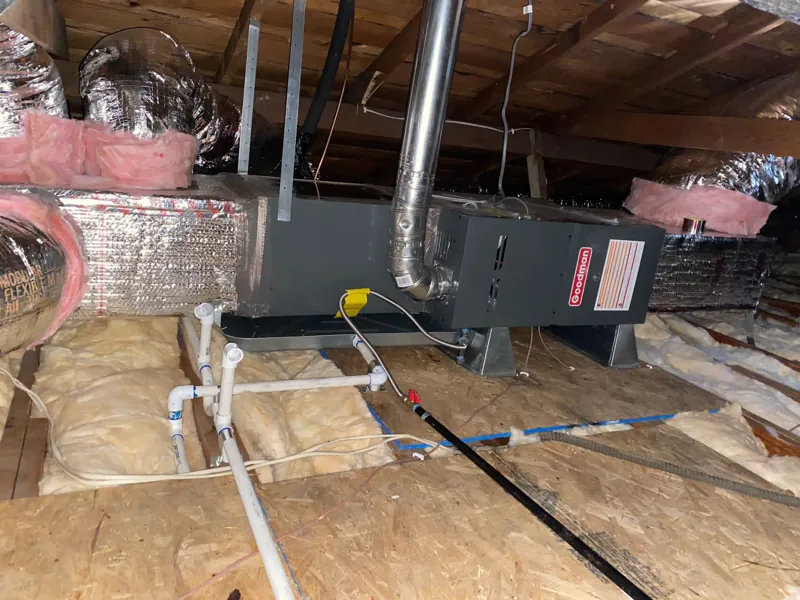
Why Does the Finaled Permit Matter After the Install?
It is one of the documents LADWP asks its customers for with its AC and heat pump rebates, and when the furnace is part of a remodel under a building permit valued at over $10,000, the City's gas valve rule applies.
Rebates. For LADWP customers, the utility's Consumer Rebate Program lists a Final Approved Building and Safety Permit among the documents for its central and split AC rebate and its heat pump HVAC rebate (LADWP, as of November 16, 2026). Keep the finaled permit with your rebate paperwork. Our guide to HVAC rebates in California covers the amounts and the rest of the paperwork.
The City's gas valve rule. When a building permit valued at over $10,000 is issued to alter, repair or add to a home with fuel gas piping, or when the home is sold, the City requires an excess flow or seismic gas shutoff valve (Los Angeles Municipal Code 94.1217.2, LADBS bulletin P/GI 2023-002, revised January 1, 2023). If your new furnace is part of a larger remodel with a building permit, ask whether the valve is in the scope.
Outside the City of Los Angeles: Which Office Issues the Permit
Woodland Hills, Encino, Tarzana, Northridge, Reseda, Canoga Park, West Hills, Winnetka and Sherman Oaks are neighborhoods of the City of Los Angeles, so their permits come from LADBS. Nearby cities issue their own:
- Burbank: the Building & Safety Division; our page on HVAC service in Burbank has the local notes.
- Glendale: the city's Building & Safety Division.
- Pasadena: the Building and Safety Division.
- Calabasas: the Building and Safety Division.
- Santa Monica: building and land use permits from the City of Santa Monica.
The Energy Code is state law, so the tests in the table above go with a permit applied for since January 1, 2026 in these cities too. What changes is the office, its forms and how you apply.
What to Ask Before You Sign the Estimate
- Who pulls the permit, in whose name, and is the permit fee in the price?
- Does the job need the duct leakage test an ECC-Rater verifies, and is the rater's visit in the price? If the answer is no test, which exception applies?
- If refrigerant parts are replaced, which setback thermostat goes in?
- Will more than 25 feet of duct be new or replaced?
- Does the job also need an electrical permit, for example for a new circuit?
- Who meets the inspector, and will you get the finaled Building Card?
- Does the contractor's CSLB record show an active C-20 license?
Global Green Solutions gives free estimates for AC and furnace replacement across Los Angeles and the San Fernando Valley: ask for these answers in yours, read about our furnace installation work, or call (310) 507-7172.
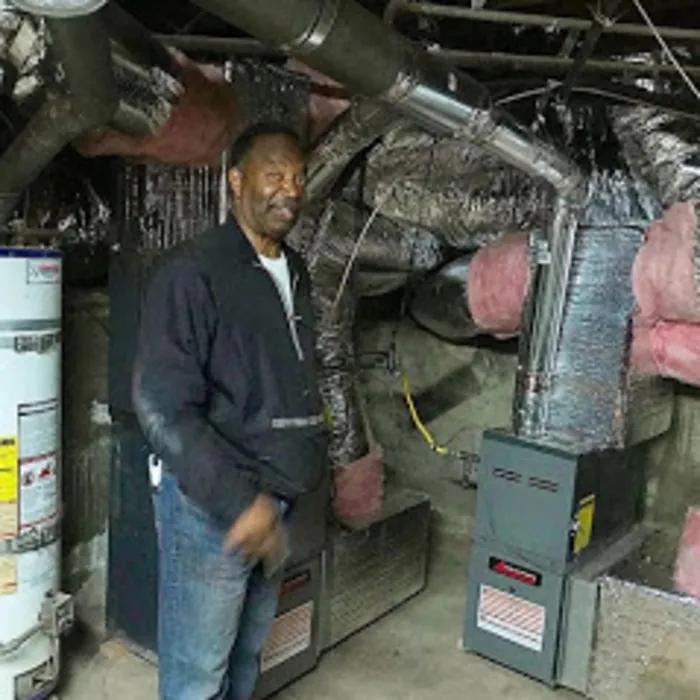
HVAC Permit Questions
How much does an HVAC permit cost in Los Angeles?
LADBS sets the fee for each permit, and its online Permit Fee Calculator gives the amount for your job. Ask each contractor whether the estimate includes the fee, so the quotes compare on equal terms.
Do I need to be home for the HVAC inspection?
Someone has to let the inspector in. Regular LADBS inspections run on weekdays between 7 AM and 3:30 PM, every area being inspected must be open and visible, and blocked access can bring an off-hours or extra trip charge.