
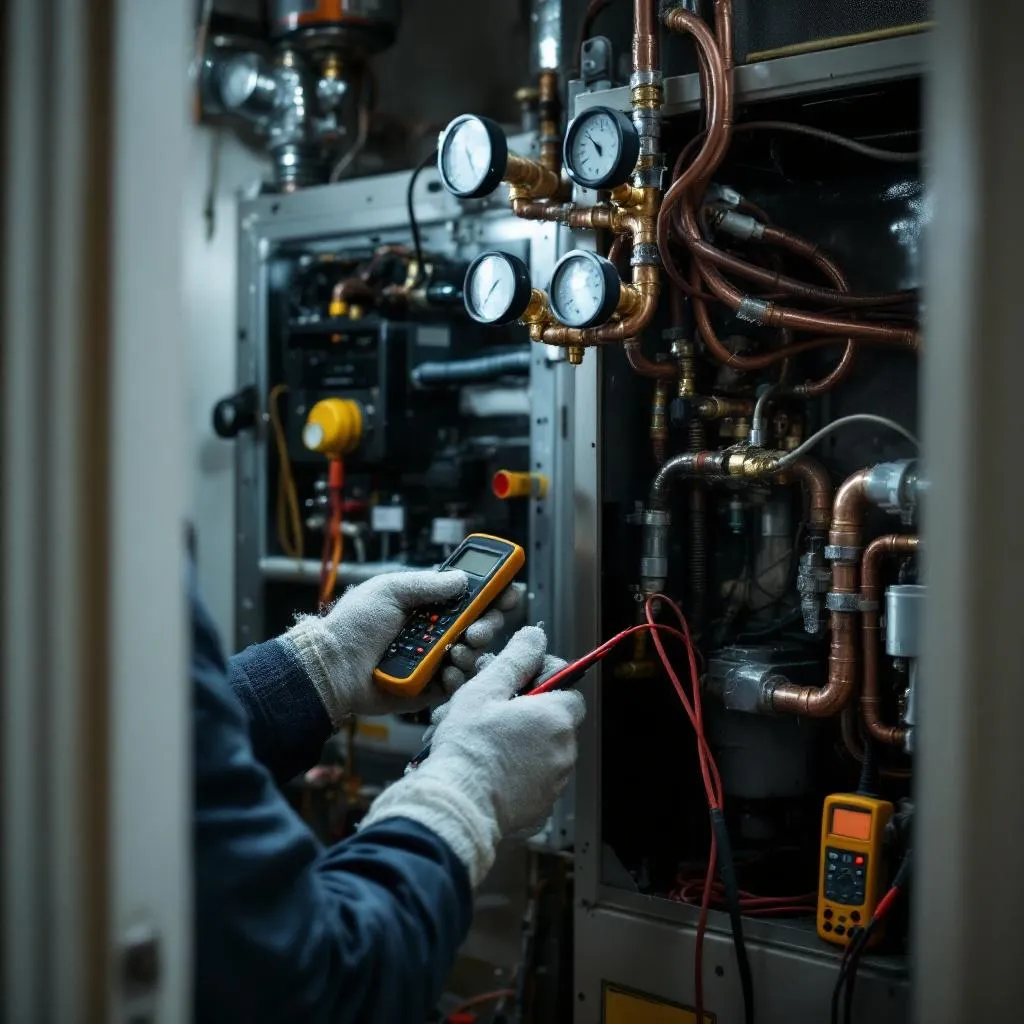
Living and working in Woodland Hills, I’ve seen the same set of HVAC challenges show up time and again, especially as seasons shift and homeowners push their systems hard. If you’re reading this, chances are you’ve noticed odd noises, inconsistent temperatures, or rising humidity — all symptoms that point toward needed HVAC attention. As an expert who’s repaired hundreds of local units, I recommend beginning with a clear path: inspect, diagnose, and act. For reliable local assistance, consider HVAC Repair early, before small problems become emergencies.
HVAC Repair: Common Problems and Fixes
One of the most frequent issues is a clogged filter. Filters that are neglected restrict airflow, reduce efficiency, and strain the blower motor. I advise homeowners to replace or clean their filters every 1–3 months depending on usage and indoor air quality. Refrigerant leaks are another persistent problem — signs include reduced cooling capacity and hissing sounds near the outdoor unit. A certified technician will locate and repair the leak and recharge the system to factory specifications. Electrical faults, from corroded terminals to tripped breakers, often cause intermittent operation and can be a fire hazard if ignored; these should be evaluated promptly by a licensed pro.
Frozen evaporator coils often stem from airflow restrictions or low refrigerant levels, and the symptom is a system that runs but doesn’t cool. Condensate drain blockages create water leaks and can trigger safety switches that shut your system down. For older systems, worn bearings, failing capacitors, and inefficient compressors become more common, leading to shorter cycles and uneven temperature distribution throughout the house. In Woodland Hills, where summer heat can run lengthy, these wear-and-tear issues are accelerated, so periodic checks matter more than you might think.
Diagnosing Issues in Woodland Hills’ Climate
The Valley climate presents unique stresses: high afternoon heat, dust, and occasional Santa Ana winds that drive particulates into ductwork and outdoor coils. Dirt buildup reduces heat transfer efficiency and forces systems to run longer, increasing the likelihood of component failure. I always start diagnostics with a full system sweep: checking thermostats and sensors for calibration, measuring refrigerant charge, testing electrical components, and inspecting duct integrity. Duct leaks can account for lost cooling and higher energy bills, and they’re especially common in older Woodland Hills homes with complex attic runs.
Preventive Maintenance and When to Call a Professional
Routine tune-ups are the single best defense against unexpected breakdowns. Simple tasks done seasonally — cleaning coils, clearing the condensate line, tightening electrical connections, checking safety controls, and verifying refrigerant levels — can add years to your system’s life and reduce repair frequency. When you notice persistent short cycling, unusual smells, or difficulty maintaining set temperatures, it’s time to step beyond DIY. A trained technician will not only fix immediate faults but also identify underlying trends that, if left unaddressed, lead to more serious failures. If you prefer professional intervention, reach out to a trusted provider for dependable support such as HVAC Repair.
What to Expect During a Home Visit
A proper visit begins with a conversation about symptoms and recent changes in system behavior. I then perform a systematic inspection: verify thermostat settings, evaluate indoor and outdoor units, measure airflow and refrigerant pressures, and test electrical components under load. You’ll get clear feedback on whether a repair, part replacement, or preventive maintenance is the best next step. Transparency matters to me: I explain the cause, the proposed remedy, and the likely timeline for both repair and recovery of normal performance.
Long-Term Care and Energy Considerations
Beyond immediate fixes, consider simple upgrades that ease strain on your HVAC system. Programmable or smart thermostats reduce runtime and prevent overcooling while zoning improvements and proper insulation limit wasted cooling. Regular duct sealing and attic insulation help maintain conditioned air where it belongs, not lost to the crawlspace. These measures often show rapid payback in comfort and reduced utility usage, while decreasing the chance you’ll face a major breakdown during the hottest part of summer.
FAQ
Q: How often should I schedule maintenance for my HVAC system?
A: I recommend biannual tune-ups—once before cooling season and once before heating season. That schedule addresses wear from extreme Valley conditions and catches issues early.
Q: My system smells musty when I turn it on. Is that serious?
A: Musty odors usually indicate mold or mildew in the ducts or a clogged condensate drain. It’s important to clean the drains and inspect the ductwork promptly to avoid health concerns and further spread.
Q: Can I DIY refrigerant recharge if cooling is weak?
A: No. Handling refrigerant requires certification and proper tools. Low refrigerant often signals a leak that must be located and repaired to prevent environmental harm and ensure system longevity.
Q: How long will a typical repair visit take?
A: Most diagnostic visits take one to two hours. Simple repairs may be completed the same day, while more involved replacements could require ordering parts and a follow-up visit.
If your home is showing any signs of strain, don’t wait until a minor issue becomes an emergency. For dependable local support, reach out for professional HVAC Repair in Woodland Hills to get fast diagnosis, honest recommendations, and skilled repairs. I’m committed to helping homeowners maintain comfortable, safe indoor environments year-round.
20746 Clarendon St, Woodland Hills, CA 91367, United States
Phone: +1 +(310) 507-7172