
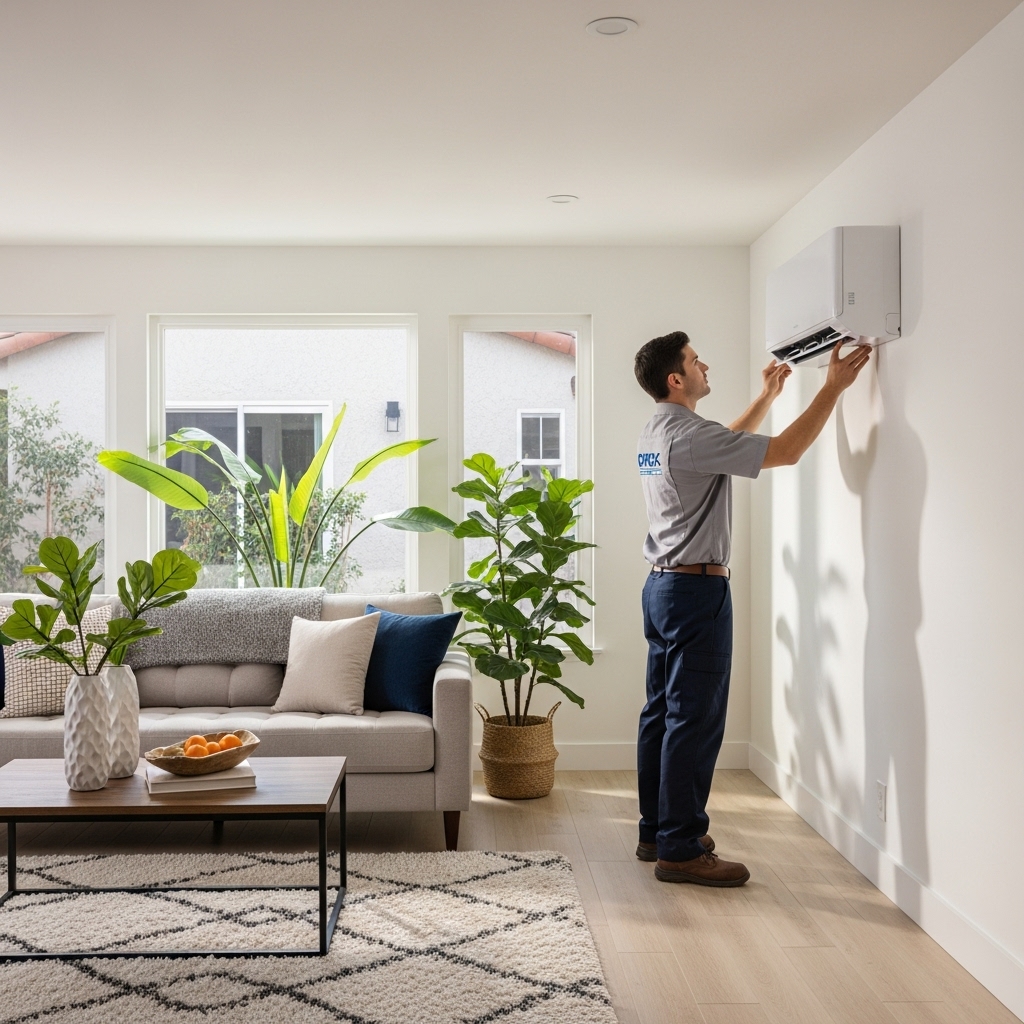
If you live in Woodland Hills, you already know that our summers aren’t shy. The heat settles into the Valley, the afternoons stretch long and bright, and even the evenings can hold onto warmth that lingers past sunset. In that kind of climate, ductless mini-split systems have become a favorite for homeowners who want quiet, targeted cooling without the complications of ductwork. As a local specialist focusing on ductless AC repair, I’ve seen how these systems thrive in our neighborhoods—from the shaded streets near the edge of Topanga to the sunlit lots around Warner Center—and I’ve also seen the unique challenges that come with keeping them in peak shape. If you’re starting to notice odd noises, drops in airflow, or uneven cooling in one of your zones, it’s time to lean on experienced hands that understand both the equipment and the way our weather behaves. For guidance right away, many neighbors begin with trusted local AC repair resources to get questions answered and service scheduled.
What sets ductless systems apart is the control they give you. You can cool just the rooms you’re using, you can dial in a temperature that fits each space, and you don’t have to push air through long, hot attic ducts. But as with any hardworking appliance, especially one tasked with fighting 100-degree afternoons, your mini-split needs attention when performance dips. The good news is that most ductless issues can be solved effectively when they’re caught early, and the even better news is that Woodland Hills homeowners have access to specialists who understand the technology down to the circuit board.
Why Ductless Systems Fit Woodland Hills So Well
Our neighborhood’s microclimates are part of its charm. A home tucked closer to the canyon might get an evening breeze, while a place near Ventura Boulevard can bake in direct sun late into the day. Ductless systems shine in that variability because you can zone your comfort. Instead of blasting a central system to push air to rooms you’re not in, your ductless setup can maintain a quiet bedroom oasis while the living room coasts at a different setting. That control pays off during heat spikes and even during shoulder seasons when you might want cooling in the afternoon and a touch of heating at dawn.
But that same zoning means each indoor head has its own role and its own wear pattern. The unit in your south-facing den will experience more runtime than the one in a shaded office, and the outdoor condenser has to keep pace with all those zones at once. Locally informed repair isn’t just about knowing the equipment; it’s about understanding how sun exposure, radiant heat off stucco, and even wildfire-related dust can affect filters, coils, and sensors from spring through fall.
Common Ductless AC Problems We See
When a ductless system stumbles, the symptoms often tell a story. A slow decline in cooling performance usually points to airflow restrictions or a refrigerant issue, while sudden shutoffs can hint at safety sensors doing their job. In Woodland Hills, I frequently trace problems to clogged filters and dirty evaporator coils, especially after windy weeks when airborne debris sneaks into places you wouldn’t expect. A gentle cleaning and a careful reset can revive an underperforming unit, but only if you catch it before the strain causes components like the blower motor or inverter board to run hot for too long.
Another recurring issue is condensate management. Ductless systems produce moisture that must drain freely, and when a line is kinked, obstructed, or mis-sloped, water can back up, triggering float switches or causing drips along the wall-mounted head. In older homes that have seen remodels, I also see line-set installations that weren’t sealed properly, letting warm attic air bleed into the chase and create efficiency losses. The fix can be straightforward, but it requires careful inspection and, sometimes, minor rerouting to make sure the system has the best path to do its job.
How We Diagnose Ductless Issues
Effective diagnosis always starts with listening—both to you and to the system. I begin by asking how the problem started, whether it’s constant or intermittent, and if certain rooms are affected more than others. Then I examine the indoor units for filter condition, grill obstruction, and coil status, followed by electrical checks for communication errors between the head unit and the outdoor condenser. With modern inverter-driven systems, error codes provide a roadmap, but the real insight comes from pairing those codes with observed behavior: Is the fan ramping properly? Does the coil frost prematurely? Are the discharge temperatures where they should be under load?
Outside, I’ll evaluate the condenser’s placement, clearance, and coil cleanliness. In Woodland Hills, plants grow fast in spring and can crowd the unit by mid-summer, which reduces airflow and forces the system to work harder. I measure operating pressures, check refrigerant charge the correct way for ductless equipment, and confirm that sensors and boards are communicating as intended. It’s a disciplined process that avoids guesswork, because with inverter equipment, small inaccuracies can create big performance swings.
Seasonal Considerations Unique to Woodland Hills
Those of us who have lived here a while anticipate the cadence of our seasons. Early summer heat arrives abruptly, bringing longer run times, while late summer can produce a punishing string of hot days when systems might run nearly around the clock. Then come the Santa Ana events that pull dry, hot air through the region and scatter fine dust onto outdoor coils and into filters. If you’ve had wildfire smoke nearby in recent years, you know how quickly filters can load up. Planning service before the first big heat wave gives your ductless system a chance to start the season clean, calibrated, and ready for what’s ahead.
Humidity also plays a subtle role. Even though we’re not coastal, evening moisture and morning dew can interact with dust to create a thin film on coils that compromises heat transfer. You won’t necessarily see it with the naked eye; you’ll just experience rooms that don’t cool as quickly as they used to or a system that seems louder as it strains to move air. These are small signals, but they add up—and that’s where a specialist’s eye for local conditions really matters.
Indoor Air Quality and Ductless Performance
One of the underappreciated strengths of ductless systems is how they manage airflow gently in the room. Because air is conditioned right where you need it, you often experience fewer drafts and more even temperatures. But that benefit depends on clean filters and a clean coil. Woodland Hills homes come in many styles—from single-story ranch homes to updated two-story builds—and each layout presents different dust patterns. Pets, nearby landscaping, and even the traffic load on your street influence how often the indoor head needs attention.
When we service ductless heads, we look beyond the filter. We evaluate the blower wheel fins, which can accumulate a film that reduces airflow and can cause noise or vibration. We examine the drain pan and the path out of the home to ensure moisture is routed cleanly. We also confirm that the internal temperature and humidity sensors are giving accurate inputs, because when those drift, the system can short cycle or miss the mark on room temperature, leaving you with pockets of warm air.
Energy Efficiency and Inverter Technology
Ductless mini-splits are known for their energy-savvy design, largely thanks to inverter-driven compressors that modulate rather than blast on and off. When they’re running correctly, you get quiet, steady comfort that sips power. But when an inverter system is out of tune—perhaps due to a sensor error, an incorrect refrigerant level, or a partially obstructed coil—it can fall out of its sweet spot and draw more power than it should. That not only shows up on your energy usage; it can shorten component life. Our repair process is built to restore the intended modulation behavior so you get the full benefit of the technology, especially important during those endlessly sunny afternoons on the Valley floor.
It helps to think of an inverter system like a finely tuned instrument. The software responds to the smallest changes in load, fan speed, and temperature readings. When something is off, the system may still run, but it won’t run gracefully. Bringing it back into balance means verifying the details, and that’s where specialized training with ductless platforms pays off.
Repair or Replace? Making the Call for Ductless Units
Deciding when to repair versus replace a ductless head or the outdoor unit is part art and part science. Age matters, as does how heavily the system has been used and whether maintenance has been consistent. If you’ve got a system serving a sun-baked family room that’s been running hard for a decade, and we find a major component problem, we’ll talk through the pros and cons of replacement. On the other hand, many issues—leaks at flare fittings, dirty coils, obstructed drains, failing fan motors, or sensor errors—can be resolved to extend system life for years.
What you should expect from a specialist is transparency about what we see and how we’d triage the system if it were in our own home. We’ll outline the immediate fixes that protect your equipment and the improvements that will pay off in comfort and reliability over time. Clear communication helps you make a decision that fits your home, your comfort priorities, and the way you actually use your rooms.
Placement, Sun, and Noise Considerations
Even the best repair won’t deliver perfect results if placement undermines performance. Outdoor units crowded by fences or shrubs struggle to breathe, and indoor heads that blow directly onto a thermostat or sit above heat-generating electronics can confuse their own sensors. In Woodland Hills, we also account for radiant heat off exterior stucco and paving stones, which can recirculate hot air around condensers in late afternoon. During a service visit, we’ll flag these details and suggest small adjustments—sometimes as simple as trimming back vegetation or shifting a unit a few inches—that can make a big difference.
Noise matters, too. Ductless systems are famously quiet, but if a blower wheel is dirty or a panel is slightly out of alignment, you’ll hear rattles, whirrs, or a white-noise hum that wasn’t there before. We restore quiet operation by balancing the fan assembly, tightening mounts, and ensuring vibration isn’t being telegraphed through the wall. It’s one of those quality-of-life details that separates a decent repair from a great one.
What to Do When You Notice a Problem
If you sense performance slipping, start with simple steps. Check the filters on each indoor head and clean them gently. Give the system a reset by powering it down and bringing it back up to clear minor glitches. Make sure return and supply air are unobstructed, and listen for changes in the sound it makes when running—your ear is a powerful diagnostic tool. If the problem persists or returns quickly, that’s the time to call a specialist who can dig deeper and protect the system from running in a stressed state.
In the middle of a heat wave, timely service can be the difference between a minor tune-up and a larger repair. This is when having a trusted local partner pays off, and many neighbors look to established AC repair experts who understand ductless systems and the demands of our climate.
Maintenance that Prevents Repairs
Preventive care is the quiet hero of reliable ductless performance. Regular cleaning of the indoor filters is essential, and seasonal coil cleaning preserves heat transfer efficiency. We also recommend a professional check of the outdoor unit before summer ramps up to verify operating parameters, confirm no small leaks are present, and ensure the inverter system is modulating correctly under load. During that visit, we’ll assess drains, electrical connections, and refrigerant lines so you go into the hottest months with confidence.
Another habit that pays off is observing how your zones behave throughout the day. If you notice one room consistently lagging, it could be a sign of a subtle airflow restriction or a sensor drift that we can correct in minutes. Catching those patterns early turns a potential failure into a small adjustment.
Working with a Local Specialist
Choosing a repair partner is about more than a one-time fix. You want someone who knows the neighborhoods, the way the afternoon sun moves across our hills, and how that affects run time and wear. You also want someone who communicates clearly, keeps the work area tidy, and treats your home with respect. As local specialists, we bring that mindset to every call, from a simple cleaning to a complex diagnostic on an inverter board. Our goal is to leave you with a ductless system that’s quiet, efficient, and ready for the next hot spell, not just working for the moment.
We also coordinate with remodels and upgrades, ensuring that line sets are routed cleanly, penetrations are sealed to prevent heat and dust intrusion, and indoor heads are positioned for balanced airflow. That attention to detail on the physical installation side makes future repairs less likely and keeps performance strong across seasons.
FAQ: Ductless AC Repair in Woodland Hills
How often should I clean my ductless filters?
In Woodland Hills, plan to clean your filters every one to two months during peak season. If you have pets, nearby construction, or frequent windy days, monthly is wise. A quick rinse and dry usually does the trick, and a professional service once or twice a year will deep-clean coils and the blower wheel.
Why is one room cooler than the others?
Uneven cooling can come from several causes: a dirty filter or coil, a sensor that’s a few degrees off, furniture obstructing airflow, or simply more sun exposure in one room. We’ll identify which factor is in play and adjust settings, positioning, or components to bring temperatures back into balance.
My ductless unit dripped water inside—what’s wrong?
Indoor drips usually mean a blocked or misrouted drain. The float switch may be shutting the unit down intermittently to protect your wall. We clear the obstruction, verify slope, and confirm the line is insulated properly so condensation doesn’t form where it shouldn’t.
What’s the right temperature to set in peak summer?
Choose a temperature that feels comfortable and maintain it consistently. Inverter-driven ductless systems like steady loads. Large temperature swings force harder ramps and can reduce efficiency. If you’re away during the day, a modest bump up in setpoint is fine; avoid extreme setbacks.
Is a small refrigerant leak a big deal?
Even a small leak matters with ductless systems. The charge is precisely calibrated, and drifting off target reduces efficiency and can stress the compressor. We use proper leak detection methods and correct the issue before rebalancing the system to its designed performance.
Can smoke and dust from regional events affect my ductless system?
Yes. Fine particulate can load filters quickly and create a film on coils. After smoky or windy weeks, it’s smart to check filters and consider a professional cleaning to restore airflow and heat transfer. We also verify that sensors are reading correctly after heavy exposure.
What’s different about repairing inverter-driven systems?
Inverter systems rely on precise communication between sensors, the control board, and the compressor. Repairs focus on restoring that dialogue. We confirm correct inputs, proper modulation, and accurate refrigerant levels so the system can make smooth, efficient adjustments instead of running at full blast.
How do you protect walls and finishes during service?
We use clean mats, careful masking, and proper tool handling around the indoor heads. Drain line and line-set checks happen with attention to the wall surface, and we leave the area as tidy as we found it. Protecting your home is part of doing the job right.
Ready for Reliable Ductless Comfort?
If your ductless system has grown louder, slower to cool, or less consistent than it used to be, now is the perfect time to bring in a local specialist who understands what Woodland Hills homes need to stay comfortable through the hottest months. We’ll listen to your concerns, evaluate each zone, and restore the quiet, efficient performance you chose your system for in the first place. When you’re ready to schedule, reach out to trusted local pros for dependable AC repair and enjoy a home that feels balanced, cool, and calm—even when the Valley heat is doing its best outside.