
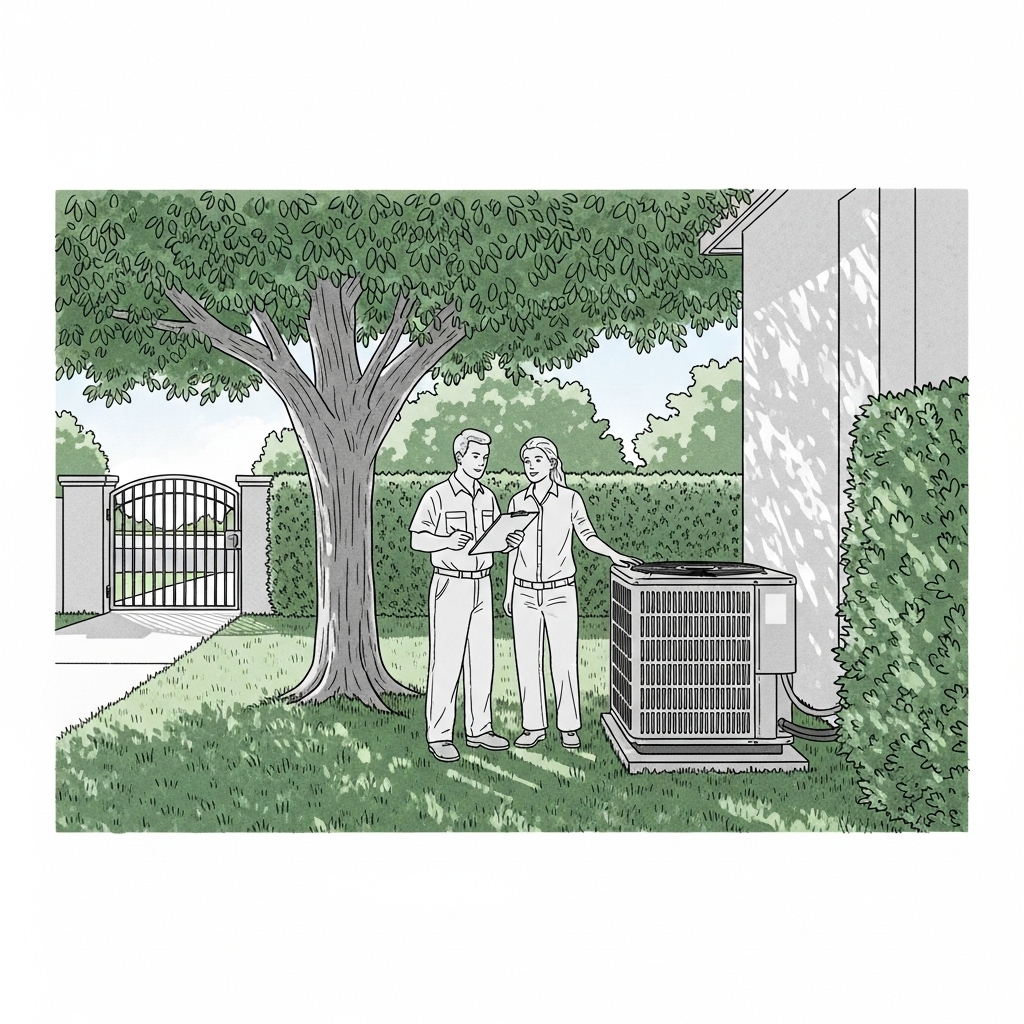
In Woodland Hills, the question of whether to repair an existing air conditioner or move forward with a new installation comes up every summer. Our weather tests cooling equipment relentlessly, and decisions that might feel optional in milder climates become essential here. As a local technician who has worked in homes from the slopes near Mulholland to the tree-lined streets around Ventura Boulevard, I’ve learned that the best answer balances the history of your system, the realities of our heat, and the comfort you expect day after day. If you’re weighing your options right now, it’s smart to start with a straightforward inspection and a conversation with someone who knows our Valley’s ups and downs. Many neighbors begin with trusted AC repair resources to get clarity on where their system stands.
Repair-versus-replace is rarely a purely technical decision. It’s a personal one, too, wrapped up in how you use your home, how long you plan to stay, and which rooms truly matter to your daily routine. A carefully repaired system can deliver years of reliable service, but there are moments when replacing is the wiser path—particularly when major components are failing or when the current design no longer fits your home’s needs. Understanding how Woodland Hills conditions stress equipment helps make that call with confidence.
How Woodland Hills Climate Shapes the Decision
Our summer heat isn’t just hot—it’s prolonged. Daytime highs can press into triple digits for days at a time, and even nights can remain warm enough to keep systems running. That means your condenser, air handler, and ductwork (if you have it) operate at higher duty cycles than in many parts of the state. Over time, the strain adds up. Coils collect dust, capacitors weaken, fan motors wear, and refrigerant leaks show up in fittings and coils. If your system has been shouldering those loads for a decade or more without consistent maintenance, it may be approaching the point where a sequence of repairs could outpace the value you’ll get from keeping it alive.
There’s also the energy-use side. On long, hot afternoons, an efficient, well-tuned system doesn’t just feel better—it keeps your home stable without unnecessary strain. If your current equipment predates recent efficiency standards, a replacement can offer quieter operation, stronger dehumidification, and better control, especially when paired with smart thermostats calibrated by someone who knows how to set them up for our microclimates.
Reading the Signals from Your Current System
The path toward a good decision starts with listening to your equipment. Noisy starts, frequent short cycling, uneven cooling between rooms, and a system that seems to run without ever quite catching up are red flags. They can indicate a failing compressor, a clogged coil, duct leakage, or a refrigerant charge issue. Sometimes a single targeted repair—say, a failed capacitor or a contactor with heat damage—will bring everything back in line. Other times, that fix exposes deeper problems that will show up again soon.
When I evaluate a system in Woodland Hills, I look at more than the immediate symptom. I check static pressure across the ductwork, verify airflow at supply registers, confirm temperature splits under load, and inspect how the condenser breathes in its outdoor space. Hot radiating surfaces, tight enclosures, and dusty coils can conspire to make a decent system seem old before its time. If we can address those environment issues alongside a repair, the system may have plenty of life left.
When Repair Makes the Most Sense
Repair is often the right move when the system is under ten years old, the failure is clearly isolated, and the equipment has a track record of steady performance. In those cases, replacing a motor, cleaning the coils, sealing a minor refrigerant leak, or correcting an airflow problem can restore your AC to dependable service. I’ve seen systems in Woodland Hills bounce back dramatically after a thorough cleaning and proper charge verification, especially when the outdoor unit had been starved for airflow by landscaping that grew close over the spring.
Repair is also wise when your current equipment is correctly sized and well matched to the home. An oversized or undersized system creates its own problems—short cycling, humidity control issues, and uneven temperatures. If you’ve got the right size already, and a clear repair addresses the immediate failure, keeping that system going can be the most comfortable path forward.
When Replacement Becomes the Smart Choice
Replacement moves to the front when cores of the system are compromised. A failing compressor, a severely corroded coil with multiple leaks, or chronic duct losses that can’t be remedied without major work make a strong case for new equipment. Woodland Hills’ heat magnifies the pain of a marginal system; even small inefficiencies become big comfort issues when the sun lingers and the asphalt radiates warmth into the evening.
There’s also the matter of how you use the home. If you’ve remodeled, added living space, or changed your routine—perhaps you now work from a converted garage office—your cooling needs aren’t the same as they were when the system was installed. It may be time to revisit sizing and zone control. A thoughtful replacement that includes duct corrections or a transition to ductless zoning can transform the feel of the house.
Evaluating Ductwork and Home Envelope
In our area, many homes still carry original ductwork with age on it. Attic ducts that run through hot spaces can leak and lose energy through insufficient insulation. Part of any repair-versus-replace discussion should include a look at the ducts. Sealing, insulating, and right-sizing them can unlock performance that even a brand-new system won’t deliver on its own. Likewise, small improvements to the building envelope—weatherstripping, attic insulation, and shading on west-facing windows—help your air conditioner do its job with less noise and stress.
These improvements aren’t about making your home airtight to a fault; they’re about cutting the worst of the heat gain. In Woodland Hills, a bit of smart shading and well-sealed ducts can mean your system spends more time cruising and less time racing. That’s a difference you feel most at four in the afternoon, when the house would otherwise start to drift warm.
The Role of Accurate Load Calculations
Whether repairing or replacing, we lean on measurements, not guesses. A proper load calculation considers the home’s size, orientation, insulation, window area, and local sun exposure. It’s surprising how many systems are installed based on rules of thumb that don’t reflect how a particular house handles the sun. In Woodland Hills, west and south exposures can dominate. When we perform a load analysis, we can right-size equipment, set expectations for performance, and decide whether duct modifications or zoning will help. That clarity feeds back into the repair-versus-installation choice: if your current system is the right size and just needs focused work, you’ll know it. If it’s mismatched, you’ll have numbers to support moving forward with a new design.
Technology Considerations: Controls and Efficiency
Modern systems offer variable-speed compressors, ECM blower motors, and smarter controls that adapt to the home’s conditions. In the Valley, where run times are long, those features translate to quieter operation and more stable comfort. If your current system is single-stage and tends to roar to life, overshoot the setpoint, and shut off abruptly, you might benefit from a replacement that modulates. On the other hand, if your existing equipment already has those capabilities but isn’t using them well due to a sensor issue or duct restriction, a targeted repair is a prudent first step.
Smart thermostats also deserve attention. They’re powerful tools when configured carefully, but they can cause trouble if left on aggressive schedules that don’t fit our climate. During a repair visit, we often tune the thermostat’s settings for gentler ramps and fewer drastic setbacks, helping the system maintain comfort without the strain of big temperature swings.
Environmental and Comfort Payoffs
Replacing an aging, struggling system can improve indoor air quality, reduce noise, and stabilize humidity. In Woodland Hills, dehumidification is subtle but important; even modest moisture control helps the home feel cooler at the same temperature. Efficient systems paired with clean coils and proper airflow deliver that effect consistently. But you can capture many of these wins with a high-quality repair, too, especially if the system’s basic design is sound. The key is knowing which path delivers the larger payoff for your home.
Another comfort factor is zoning. If certain rooms run hot—often upstairs or over garages—consider whether a small ductless system or a rebalanced duct layout would address the issue better than pushing a single central unit harder. Gentle, targeted cooling can transform spaces that used to be avoided in the afternoon.
Budgeting Your Decision Around Reliability, Not Just Age
It’s tempting to make the decision based solely on age. While age matters, it’s not the whole story. I’ve seen ten-year-old systems in Woodland Hills that run beautifully because they were maintained, kept clean, and properly charged. I’ve also seen younger systems that limp along because they were installed without attention to airflow or placed in a cramped corner where the condenser recirculates its own heat. Focus on reliability: how often does your system need attention, how severe are the failures, and how well does it maintain comfort in the late afternoon when you need it most?
This is where a trustworthy evaluation is invaluable. We document readings—pressures, temperatures, amperage—and share what they mean. With that information, you can picture the health of your system rather than guessing based on feel alone.
What to Expect from a Thorough Assessment
During a repair-versus-installation consult, we’ll walk the property, check attic ducts if accessible, inspect the air handler and evaporator coil, and evaluate the condenser’s environment. We’ll also ask about rooms that run hot or cold, daily schedules, and any changes you’ve made to the home. The goal is to build a complete picture so the recommendation is aligned with how you actually live, not just what the equipment spec sheet says. By the end, you should have a clear sense of whether a repair restores confidence or whether a new system will solve persistent problems that repairs can’t reach.
Midway through this process, many homeowners find it helpful to compare next steps with local experts who handle both paths gracefully. If you want to explore either direction without pressure, local teams that specialize in AC repair can outline what a focused fix would look like and how a new system might be designed if you decide to go that route later.
Maintenance and Habits That Stretch System Life
Whether you repair or replace, the habits you build afterward determine how long your comfort lasts. Change filters regularly, keep the outdoor unit clear of shrubs and debris, and avoid aggressive thermostat setbacks that force hard ramps on hot afternoons. Schedule professional cleanings and checks before the first major heat wave. These small acts keep your system humming and help you catch little issues before they turn into bigger ones.
In Woodland Hills, where summer seems to roll right into fall, consider a late-spring tune-up. We’ll verify refrigerant levels, clean coils, check electrical components, and look for developing wear. It’s the best insurance against those moments when a system falters right when you need it most.
FAQ: Repair or Replace in Woodland Hills
How do I know when a repair is enough?
If the system is younger, the failure is isolated, and underlying airflow and charge are healthy, a repair is often sufficient. A good technician will explain what failed, why it failed, and what to watch for next. You should leave the visit with confidence that the fix addresses the root cause, not just the symptom.
What are signs I should consider replacement?
Frequent breakdowns, major component failures like compressors, and chronic comfort issues despite multiple fixes point toward replacement. If the ducts are in poor shape or the system is the wrong size, a new design can correct those fundamentals and deliver a more comfortable, quieter home.
Will a new system cool my home faster?
Speed isn’t always the best metric. Modern variable-speed systems aim for steady comfort with fewer highs and lows. You’ll notice more consistency and less noise rather than a quick blast. If fast recovery is important in certain rooms, we can design for that with zoning and airflow adjustments.
How important are duct upgrades in this decision?
Very important. Ducts are the highway for your conditioned air. Leaks, poor insulation, and undersized runs waste cooling and create hot spots. Addressing them can make a repaired system feel new and lets a replacement achieve its potential.
Does my thermostat setting strategy matter?
Absolutely. Gentle adjustments and modest setbacks protect your system from hard start-stop cycles, particularly during Woodland Hills heat. We’ll help configure your thermostat for our climate so you get comfort without unnecessary strain.
Can a thorough cleaning really extend system life?
Yes. Clean coils and accurate charge reduce stress on every component. In our dusty, sunny environment, grime on coils and low airflow cause more wear than you might expect. A professional cleaning and verification set the stage for reliable operation.
Ready to Make the Right Call for Your Home?
If you’re torn between nursing an older system along or moving to a new installation, let’s take the guesswork out of it with a clear-eyed evaluation tailored to Woodland Hills. We’ll measure what matters, explain your options in plain language, and help you choose a path that delivers steady comfort through our longest, hottest days. When you’re ready to talk, lean on local pros who excel at thoughtful AC repair and balanced recommendations so you can feel confident in every room of your home.