
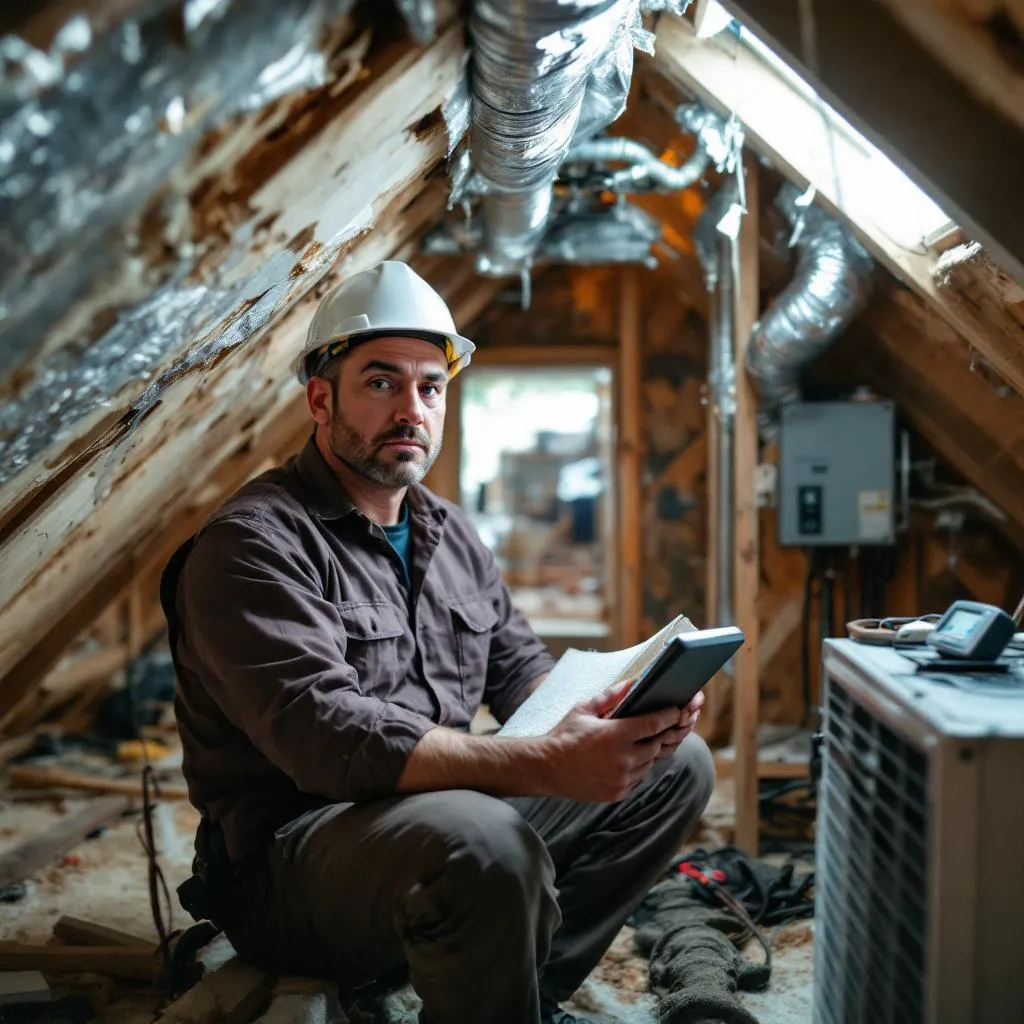
As an HVAC professional working in Woodland Hills for many years, I know homeowners often search for reliable HVAC Services to keep their systems running efficiently. The Mediterranean climate here creates unique demands on heating, ventilation, and air conditioning systems, and understanding those demands is the first step toward fewer breakdowns and longer equipment life. In this article I’ll walk you through the most common problems I see in local properties, why they happen, and practical steps you can take to prevent them. If you need specific help, consider reaching out for professional HVAC Services to get a tailored inspection and plan.
HVAC Services: Common Issues and Why They Occur
Woodland Hills properties face a mix of hot, dry summers and mild, occasionally cool winters. These swings mean air conditioners work hard for many months, while furnaces or heat pumps see intermittent use. One frequent issue is reduced cooling capacity due to clogged filters and restricted airflow; homeowners often underestimate how quickly dust, pet hair, and pollen can build up. Refrigerant leaks are another typical problem, often caused by corrosion or minor physical damage to lines. Electrical wear and aging components also contribute to sudden failures during peak demand days.
How Local Climate and Construction Affect Performance
Many houses in Woodland Hills were built with energy efficiency standards that differ from modern codes, and attic insulation or ductwork design can be suboptimal. Duct leaks, poor insulation, and improperly sized equipment all amplify the stress on a system. The valley’s heat traps and occasional Santa Ana winds can load systems with airborne debris, increasing the frequency of maintenance needs. As an expert, I emphasize that even small adjustments—sealing ducts, ensuring proper insulation, and calibrating thermostats—can dramatically improve comfort and efficiency.
Signs Your System Needs Immediate Attention
Watch for warning signs like uneven cooling across rooms, strange odors when the system runs, sputtering on startup, or unusual noises such as grinding or hissing. A decline in indoor air quality, frequent cycling, and higher humidity indoors are also indications that something is wrong. Ignoring these symptoms often leads to more costly repairs later. When clients call, we prioritize a thorough diagnostic that checks refrigerant levels, compressor health, airflow, and electrical connections to pinpoint the root cause rather than just treating symptoms.
Preventive Care That Actually Helps
Preventive maintenance pays off in reliability and lower long-term costs. Simple, routine steps like changing filters regularly, keeping outdoor units clear of debris, and scheduling annual tune-ups extend equipment lifespan. For busy homeowners, a professional tune-up will inspect coils, test safety controls, measure temperature differentials, and tighten loose connections. If you prefer hands-on guidance, I recommend a seasonal checklist and a trusted technician to perform deeper inspections. For those who want professional help, our team provides comprehensive plans that include priority scheduling and detailed system reports—reach out for tailored HVAC Services when you’re ready.
Common Repairs and When Replacement Makes Sense
Minor repairs often include replacing capacitors or contactors, repairing small refrigerant leaks, or fixing thermostats and sensors. Larger issues—like a failing compressor, extensive coil corrosion, or repeated refrigerant leaks—can justify considering replacement, particularly if the unit is older than 12–15 years. Upgrading to current efficiency standards not only improves comfort but can reduce energy consumption and improve home resale value. I always advise clients to weigh the repair cost, the unit’s age, and the expected future performance when making this decision.
Energy Efficiency Improvements for Woodland Hills Homes
Beyond mechanical fixes, improving envelope performance and system controls yields noticeable benefits. Smart thermostats, zoning for multi-level homes, sealing ducts, and adding attic insulation often reduce runtime and keep temperatures balanced. Our approach is to combine practical, incremental upgrades with routine service to maintain peak performance. When residents invest in both maintenance and strategic upgrades, their systems respond by drawing less power and delivering more consistent comfort throughout the year.
FAQ
Q: How often should I schedule maintenance?
A: I recommend at least one professional inspection per year for heat pumps and furnaces, and annual pre-season checkups for air conditioning systems. Homes with heavy usage or environmental factors like nearby construction may need more frequent attention.
Q: What are the signs of a refrigerant leak?
A: Typical indicators include decreased cooling capacity, ice forming on the evaporator coil, hissing noises near refrigerant lines, or an unexplained increase in run time. A certified technician will perform leak detection and recovery before recharging the system.
Q: Can I improve airflow on my own?
A: You can help by keeping return registers clear, changing filters regularly, and ensuring outdoor units are free from debris. However, significant airflow issues often stem from duct leaks or improper fan settings that require professional diagnosis.
Q: When is system replacement recommended?
A: Replacement is often recommended when major components fail on an older unit, when repair costs approach a significant fraction of replacement cost, or when you need a substantial efficiency upgrade. We can provide an honest assessment and replacement options if appropriate.
When you’re ready to act, whether it’s a tune-up, repair, or a full system evaluation, don’t hesitate to request expert assistance. Proper diagnosis and timely work prevent many common failures and improve the longevity of your equipment—contact our knowledgeable team for dependable HVAC Services and local expertise you can trust.
20746 Clarendon St, Woodland Hills, CA 91367, United States
Phone: +1 +(310) 507-7172