
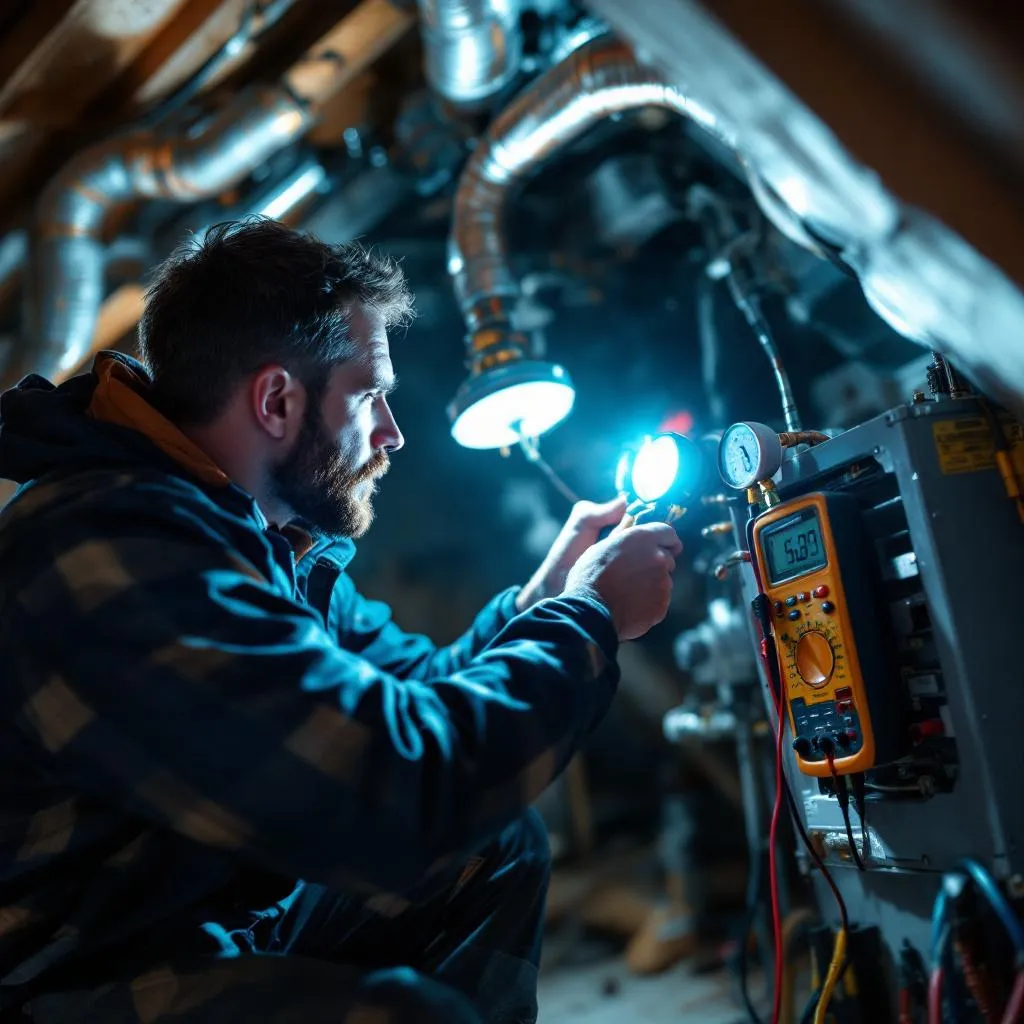
As an HVAC technician who has spent years troubleshooting systems across Woodland Hills, I see the same handful of problems come up again and again. When homeowners call, they often say their unit is loud, not cooling, or cycling oddly. The phrase HVAC Services comes up right away because understanding the service history and symptoms is the first step toward a reliable diagnosis. Early communication and a methodical inspection prevent small issues from turning into major failures, and that’s the practical approach I’ll walk you through here. For help or to schedule a check, consider our team and the resources we provide at HVAC Services.
HVAC Services: Key Diagnostic Steps
A systematic diagnosis starts with listening and observing. I’ll outline the steps I take on my first visit: verify the complaint, inspect filters and airflow, check thermostat settings and wiring, assess electrical components, and examine refrigerant lines for leaks. Each step narrows the likely causes. For example, poor airflow often traces back to a clogged filter or a failing blower motor, while inconsistent cooling can mean low refrigerant charge or a failing compressor. Woodland Hills’ climate puts extra stress on systems in summer, so I always check outdoor unit condition and ensure the condenser has proper clearance and airflow.
Common Symptoms and What They Usually Mean
One common symptom is short cycling, where the system turns on and off frequently. That behavior wastes energy and stresses components. I look first for dirty coils, clogged filters, or an oversized thermostat location that causes premature shutoff. Another frequent issue is weak cooling. If a unit isn’t removing heat effectively, I inspect refrigerant levels, metering devices, and the condenser fan operation. Strange noises—rattles, squeals, or clanks—point to mechanical wear such as loose panels, failing bearings, or motor issues. Electrical problems often present as intermittent operation or a system that won’t start. In those cases I test capacitors, contactors, and control board connections.
Refrigerant, Airflow, and Electrical Concerns Explained
Understanding the three pillars of performance—refrigerant, airflow, and electrical—clarifies why a methodical approach matters. Low refrigerant won’t be fixed by tweaking the thermostat; it requires leak detection and repair followed by a correct recharge. Airflow problems are the silent efficiency killers and usually begin with maintenance: filters, duct leaks, and obstructed returns. Electrical issues are often the most dangerous and require a cautious, experienced hand; loose wiring or failing capacitors can cause unpredictable behavior and further damage. When I troubleshoot, I combine visual inspection with precise measurements so repairs address root causes rather than symptoms.
Preventive Practices That Save Time and Extend Equipment Life
Preventive maintenance is the part customers appreciate most, because it reduces emergency calls. Seasonal tune-ups, timely filter changes, and ensuring proper thermostat settings keep systems running longer and more efficiently. In Woodland Hills, where summers can be prolonged, I recommend inspecting the condenser for debris, trimming vegetation that blocks airflow, and confirming that condensate drains are clear. Taking these steps can eliminate many common service calls and improve indoor comfort with minimal investment of time.
When to Call a Professional vs. DIY Checks
Homeowners should feel empowered to perform simple checks: replace or clean filters, ensure vents are open, and verify thermostat settings and batteries. However, anything involving refrigerant, electrical components, or complex ductwork should be left to licensed technicians. Attempting those repairs without training can create safety hazards and void warranties. If you notice persistent odors, visible leaks, or repeated tripping of breakers, call a professional promptly so diagnostic testing can identify systemic issues before they escalate.
FAQ
Q: How quickly should I respond to reduced cooling performance?
A: Reduced cooling is a sign to act sooner rather than later. Small performance drops often precede compressor strain or refrigerant leaks. Schedule a diagnostic inspection to determine whether a simple maintenance task will restore performance or if a more thorough repair is needed.
Q: Can I troubleshoot electrical issues myself?
A: Basic checks like ensuring the unit has power and the breaker is on are fine, but avoid testing capacitors or motors unless you are trained. Electrical diagnostics require specialized tools and knowledge to ensure safety and proper repair.
Q: How often should I replace filters and schedule maintenance?
A: Filters commonly need attention every 1–3 months depending on type and household conditions. Annual or biannual professional tune-ups are recommended—once before cooling season and once before heating season if you use both functions—so technicians can catch early wear and optimize performance.
Ready for a Thorough Inspection?
If you’re experiencing persistent comfort issues in Woodland Hills, my recommendation is a careful, prioritized evaluation that starts with the basics and moves to targeted testing. For reliable diagnostics from a team that knows local conditions and common failure modes, reach out to our HVAC Services team. We’ll identify the root cause and provide clear options so you can make informed decisions about repairs or preventive maintenance. Trust a local expert to restore comfort and efficiency.
20746 Clarendon St, Woodland Hills, CA 91367, United States
Phone: +1 +(310) 507-7172