
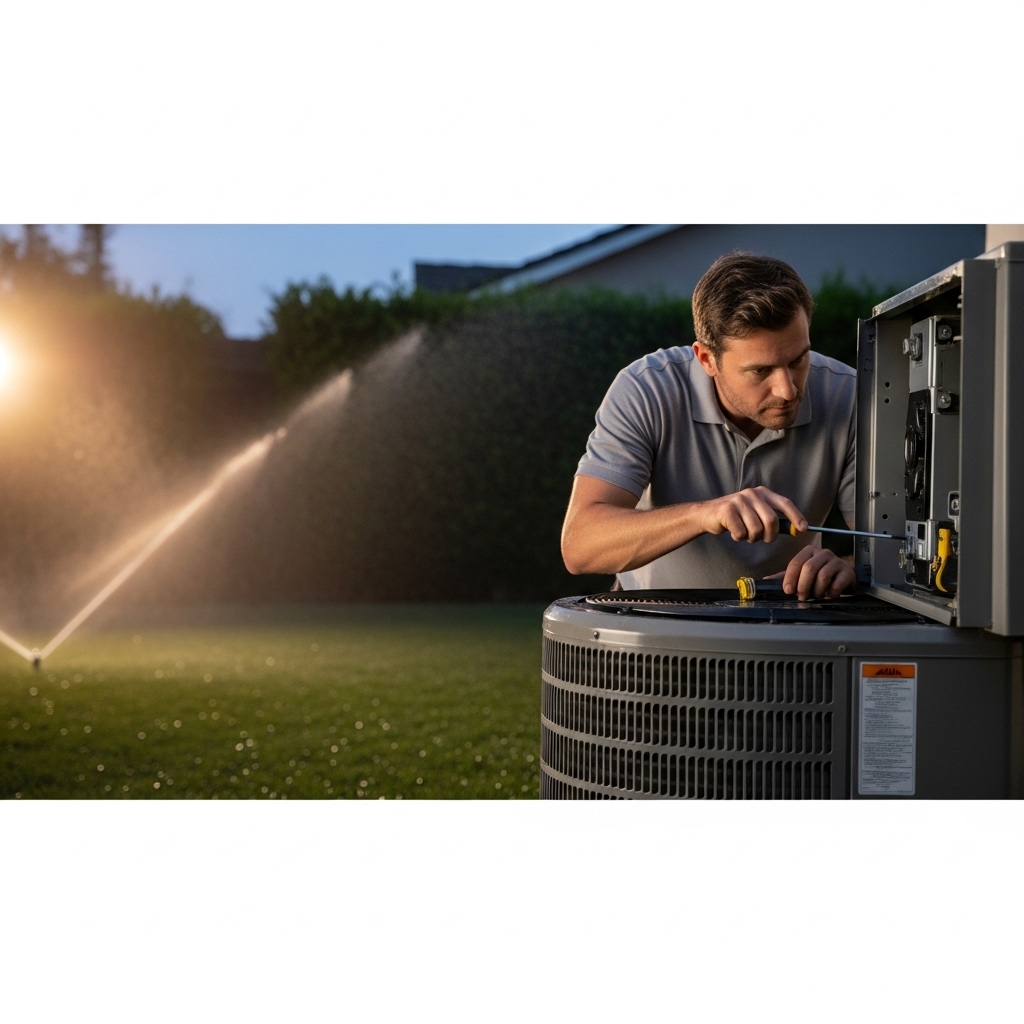
The urgency of AC repair in a Valley that runs hot
There is a rhythm to life in Woodland Hills that you can hear in the evening: sprinklers misting, crickets tuning up, and the soft whoosh of air conditioners clicking into motion as the heat lingers long after sunset. In this climate, your AC is less a luxury and more a daily companion, and when it falters, the effects ripple through sleep, health, and the simple ability to concentrate. That is why timely repair is more than a good idea. It is a practical response to a demanding environment. For homeowners looking for a reliable place to begin, you can explore local options for keyword to get a sense of what a prompt, thorough repair visit should include and how quickly it can restore comfort.
In our valley, a small issue can grow into a big one with surprising speed. A blower that starts sluggishly on a mild day may fail outright during a heat wave; a barely audible hum can become a full-on screech right when you invite friends over for a weekend barbecue. Acting at the first sign of trouble keeps your system from snowballing into a mid-season breakdown that arrives at precisely the least convenient time. Timely repair is really about respecting the multiplier effect of heat, dust, and long runtimes that define Woodland Hills summers.
Heat amplifies every weakness
Picture an outdoor unit perched on a slab that has been baking since noon. The air around it shimmers. The temperature on the coil is already elevated, which means the compressor is working against a higher baseline. In those conditions, a weak capacitor is not a 10 percent problem; it is an invitation for the motor to draw excess current and overheat. A dirty coil is not a minor annoyance; it is a wall the system must push through to shed heat. Timely repair removes those obstacles before the hottest days stack up, which keeps amperage in range and components cooler under stress.
Comfort and health are on the line
Comfort is about more than a number on a thermostat. It is the difference between uninterrupted sleep and a restless night. It is a safe environment for infants, older adults, and pets when the mercury runs high. When an AC is limping, the first thing you notice is uneven cooling—bedrooms that never quite settle, a home office that grows stuffy by mid-afternoon, a family room that defeats movie night because the air feels thick. A timely repair restores the confidence that setpoints will hold, that indoor humidity will stay in check when monsoonal moisture drifts in, and that your house will feel like a refuge, not a compromise, during heat waves.
Preventing the cascade of collateral damage
Many AC problems create downstream issues if left alone. A partially clogged condensate line turns into a ceiling stain or a wall repair. A contactor that arcs intermittently can carbonize its surface, heat up the wiring lugs, and leave you with a scorched disconnect. A fan motor that whines eventually vibrates enough to loosen panels, which rattles screws and chafes insulation on nearby conductors. Timely repair prevents these cascades. It keeps little failures from recruiting other parts into the problem, and it preserves the simple, quiet operation that should be the soundtrack of your evenings.
Efficiency preserved when it matters most
In a long cooling season, efficiency is a marathon advantage. When a system is out of tune, it runs longer to do the same job, which means it is fighting the hottest window of the day for more minutes and racking up more internal heat. Fixing a low refrigerant charge, bringing blower speeds into spec, cleaning the outdoor coil, or replacing a lazy run capacitor immediately reduces runtime and restores crisp cycles. That is how prompt repair helps keep energy use from creeping upward month by month as the season wears on.
Woodland Hills dust and debris are not neutral
We have our own ecosystem of grit: eucalyptus fluff, canyon dust carried on a dry breeze, small leaves that wedge themselves into coil fins, and construction dust that drifts when a neighbor’s remodel is underway. In this environment, debris accumulates faster than you might expect. Delay repair and those little clogs become hardened mats. Oil from the compressor discharge can even attract dust, creating a sticky layer that resists casual rinsing. A timely cleaning, combined with part replacements that restore airflow and heat rejection, keeps surfaces from ever getting to that stubborn stage.
Your thermostat can only do so much without repair
Smart thermostats help, but they are not magicians. If the AC cannot move enough air or shed heat efficiently, software schedules and learning algorithms cannot deliver comfort. Timely repair restores the system’s ability to respond, so the technology on the wall actually has something to work with. After a repair visit that corrects the core mechanical issues, you will notice that setbacks recover on schedule, temperatures stay flatter through the evening, and your system does not race when everyone gets home at once.
Protecting the compressor from the point of no return
The compressor is the beating heart of your AC. When it is forced to run under abnormal conditions—low charge, high head pressure, poor cooling airflow—it runs hotter and longer than designed. Over time, insulation on motor windings ages prematurely, oil breaks down, and tolerances drift. Timely repair cuts off that progression. It restores normal operating conditions before permanent harm accumulates, protecting the component you most want to avoid replacing.
Stabilizing indoor air quality during smoke events
During wildfire smoke intrusions, most people seal up their homes and rely on their AC to keep things livable. If your return leaks or your filter does not seat perfectly, that strategy backfires as smoky air is pulled from the attic or garage into living spaces. Timely repair that seals returns, fixes gaps, and confirms proper filter fit turns your system into a genuine buffer against poor outdoor air. You will feel it as less odor, fewer irritants, and a calmer home when the air outside has a brown tint.
Neighborhood insights: where problems hide
In hillside streets above Dumetz, condensers often sit in pockets that trap afternoon sun and reflect heat off stucco walls. Delays compound there because the equipment is already stressed by hotter-than-ambient surroundings. Down near Ventura Boulevard, older duct systems sometimes run through shallow, warm crawlspaces that invite small rodents; a chewed wire can present as intermittent shutdowns that only a timely electrical check reveals. In homes west of Topanga, where mature trees shed year-round, quiet coil blockages sneak up in early summer and declare themselves during the first serious heat run. All of these local quirks reward prompt attention before they graduate into breakdowns.
When a minor symptom is a major clue
A small beep from the thermostat, a delay before the outdoor unit starts, a faint clicking during a cycle, or a thin line of frost on the suction line after the system has been running—these are the breadcrumbs of diagnosis. They are invitations to act. The advantage of responding quickly is that the system is still telling the truth; you can catch intermittent faults in the act, verify measurements under normal use, and correct them without guessing. That is not just efficient for the technician; it is more reliable for you.
Mid-season momentum and the value of a quick reset
By mid-summer, your AC has already logged long hours. A timely repair visit acts like a reset, clearing modest performance losses before they settle in. Think of it as stretching between innings. You do not change the team; you keep it limber so it can sprint when needed. Bringing coils back to condition, refreshing worn electrical parts, and verifying refrigerant levels give your system the momentum to carry you through September and October, when Woodland Hills sometimes sets its hottest records.
Budgeting attention, not just money
There is another kind of cost to delaying repair: attention. When you are on alert for quirks—listening for new noises, checking vents for airflow—you are spending attention that could go to other parts of your life. Timely repair returns that attention. A steady, quiet cycle is an underrated luxury, and in a climate like ours, it feels like getting part of your day back.
How timely repair supports maintenance
Maintenance and repair are partners. A thorough spring tune-up identifies needs; timely repair closes the loop immediately so that those needs do not linger into peak season. When you act promptly, the benefits of maintenance stick. You avoid the drift that takes hold when a recommended part “can wait” and then fails the week the valley hits triple digits.
Frequently Asked Questions
What early signs should prompt a repair call?
Watch for warm or weak airflow, longer cool-downs than usual, breaker trips at startup, new noises like buzzing or grinding, uneven room temperatures, or water near the indoor unit. Any of these suggest a developing issue that is best addressed before the next heat spike.
How fast should a system recover after I lower the thermostat?
In a properly operating system, you should feel noticeably cooler air within minutes and see a steady approach toward the new setpoint. If adjustments take much longer or the system seems to stall on hot afternoons, a repair evaluation is wise.
Is it risky to run the AC if I suspect a problem?
Running with a suspected fault can increase damage, especially in extreme heat. If you notice breaker trips, burning smells, or ice on the lines, shut the system down and seek a repair visit to prevent further harm.
Can timely repair improve indoor air during smoke events?
Yes. Sealing returns, ensuring filters seat properly, cleaning coils, and correcting airflow help reduce infiltration and keep particulates from circulating indoors when outside air quality is poor.
Will a quick capacitor swap really make a difference?
Often, yes. Capacitors support motor starting and running torque. A weak capacitor increases current draw and heat, especially during the hottest hours. Replacing it restores proper motor performance and reduces stress on the rest of the system.
How do I time repairs around a busy schedule?
Call as soon as you notice changes, and ask for a window during cooler parts of the day if possible. Many issues can be diagnosed and corrected in a single visit, especially when you describe symptoms clearly and provide access to equipment areas.
Does acting quickly really extend equipment life?
It does. Addressing abnormal conditions before they become chronic keeps core components cooler and within design limits, which slows wear and lengthens the service life of your system.
Take action before the next heat wave
If your AC sounds different, cools more slowly, or struggles during the late-afternoon peak, do not wait for it to fail. A timely appointment can restore comfort and protect your equipment from avoidable wear. Start by reaching out to a local expert through this easy hub for keyword, get on the schedule, and enjoy the peace of mind that comes with a system ready for the rest of the season.