
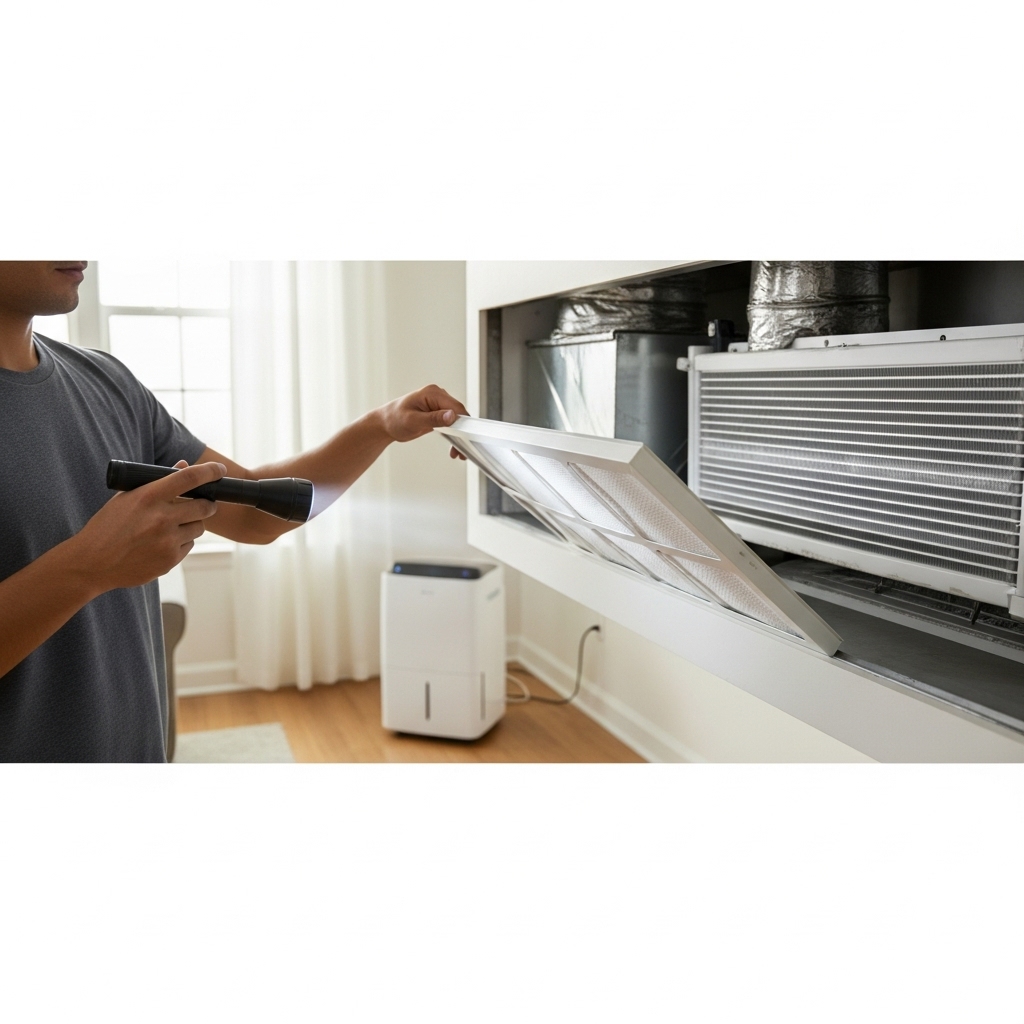
Maintenance that makes a big difference in Woodland Hills
In Woodland Hills, summer comfort is a daily practice, not a once-in-a-while perk. Our long, bright days and warm evenings put every AC system through a drawn-out stress test, and that makes smart maintenance the most effective way to prevent disruptive repairs. The goal is simple: keep equipment operating within its design envelope so parts stay cool, coils stay clean, and airflow remains strong. When that happens, your home feels steady and quiet, and repair visits become the exception rather than the rule. If you are mapping out how to get started, it helps to review trusted local resources for keyword to understand the services and standards that define a solid maintenance plan.
Smart maintenance is not about doing everything at once. It is about doing the right things at the right time, with a focus on the points most stressed by Woodland Hills heat. That means preparing early, reinforcing airflow, protecting electrical components, and staying attentive to drainage and cleanliness as the season unfolds. The payoff is cumulative. Each small action buys a little margin, and together those margins add up to a system that handles late-season heat waves with a calm you can feel from one room to the next.
Start early, before the first hot streak
There is a window in spring when nights are mild and afternoons hint at the heat to come. That is the perfect moment to schedule maintenance. Early checks uncover items that will become urgent in July—weak capacitors, dirty coils, loose electrical connections—so they can be corrected without the pressure of a looming heat wave. A system that enters summer at spec is less likely to stumble under heavy loads, and you start the season with the confidence that setpoints will hold when you need them most.
Protect airflow as your first priority
Airflow is the foundation of performance. In older homes with mixed ducting, it is common to find return leaks, kinked runs, or supply registers partially obstructed by furniture. Smart maintenance looks for these small impediments and clears them. Filters are changed on a realistic schedule that reflects local dust and, during smoky periods, the extra load that fine particulates place on media. A properly seated filter that does not allow bypass keeps the evaporator coil clean and maintains the cooling capacity that makes rooms feel crisp, not merely cooler.
Keep coils clean to preserve heat exchange
Condenser coils do the hard work of dumping heat into already hot air. Even a modest layer of dust or leaf litter forces the compressor to work harder, raising head pressure and heat. During maintenance, coils should be cleaned with techniques appropriate to their design, base pans cleared for drainage, and fan blades checked for pitch and integrity. Indoors, evaporator coils benefit from visual inspection and cleaning when signs of buildup appear, preventing musty odors and protecting against the airflow drop that leads to icing.
Protect motors and electrical components
Run capacitors, contactors, and motor bearings are where long hours of operation leave their first fingerprints. Smart maintenance tests capacitance values, inspects contact surfaces for pitting, and listens for bearing noise that may be faint now but become loud under heat. Tightening electrical connections and confirming proper wire sizing to the outdoor unit help reduce voltage drop during the late-afternoon surge, preventing nuisance trips and stressful starts.
Guard against condensate surprises
Drain lines are easy to ignore—until they are not. In Woodland Hills, when humidity blips arrive or mornings warm quickly after cool nights, the drain system must be ready to carry water away safely. Maintenance that includes clearing the line, sanitizing the pan, verifying slope, and testing any float switches helps prevent shutdowns and water damage during the season’s busiest weeks. If the drain terminates outside near landscaping, ensuring that the outlet remains clear and visible adds another level of assurance.
Thermostat and control settings fine-tuned to your home
Controls shape how hard your system works. Maintenance includes reviewing thermostat placement and schedules to ensure they match your home’s pattern of occupancy and solar exposure. In homes that heat up on the west side, gentle pre-cooling can reduce strain during the 4 to 7 p.m. peak. Zoning systems benefit from damper checks and calibration, so no zone steals airflow from another during recovery.
Site conditions matter more than you think
Outdoor units that sit in full sun or snug against hedges suffer from higher inlet air temperatures and restricted exhaust paths. Smart maintenance looks at the site, not just the machine. A few inches more clearance, a trim of nearby shrubs, or a subtle redirection of hot exhaust can improve performance without adding equipment. Indoors, insulation around accessible duct runs and attic hatches can minimize the load your AC must overcome, especially during multi-day heat events.
Maintenance that anticipates smoky days
When regional fires raise outdoor particulate levels, your AC system suddenly becomes part of your indoor air strategy. Maintenance that confirms tight filter fit, sealed returns, and a clean evaporator coil prepares your home to be a refuge during smoke events. Planning ahead with a set of filters appropriate for those periods ensures you can swap quickly when the air turns hazy and keep airflow in the safe zone.
ECM and variable-speed considerations
Many modern systems in Woodland Hills include variable-speed blowers or inverter-driven compressors that modulate to match load. Maintenance for these systems includes firmware checks when applicable, sensor verification, and careful attention to airflow so the equipment can take full advantage of its modulation range. When everything is in sync, the system runs quieter and smoother, and minor issues are less likely to balloon into repairs.
Attic realities and duct integrity
Attics in our area become ovens. Ducts that pass through them are exposed to high temperatures that can accelerate wear at joints and mastic seals. Smart maintenance inspects for small leaks, missing insulation wraps, and sagging runs that limit airflow. Fixing those early preserves capacity and reduces the uneven room temperatures that so often trigger service calls in late summer.
Proactive parts replacement that pays off
There is a place for replacing parts before they fail, especially in the heart of the season. If a capacitor tests near its lower limit or a fan motor bearing sings faintly, replacing them on a mild day is smarter than gambling on a 100-degree afternoon. This approach reduces emergency calls and keeps the rest of the system from enduring the shock loads that happen when parts fail under stress.
Maintenance as a conversation
Good maintenance includes explaining what was found, what was adjusted, and what might need attention in the months ahead. Photos of a coil before and after cleaning, static pressure readings that document airflow improvements, and clear notes on electrical tests give you a baseline. In Woodland Hills, where summer lasts, those baselines help you recognize changes quickly and book a follow-up before issues escalate.
Prepare for the late-season push
September and October routinely deliver some of the hottest days in the Valley. Smart maintenance looks beyond June and July, setting you up for the long tail of the season. Verifying that outdoor units are clear, that drains are still flowing, and that filters have capacity left ensures that your system will not falter just when you hoped the worst was behind you.
Real-life examples from local homes
In a mid-century home near Oxnard Street, a spring maintenance visit revealed a weak blower capacitor and a return leak near the hallway. Replacing the capacitor and sealing the leak strengthened airflow enough that the back bedrooms, once chronically warm, settled to the same temperature as the living room. In a hillside house along Mulholland, the outdoor unit sat in a sunny niche where exhaust recirculated midday. A maintenance adjustment that opened a clearer path for hot air to escape and a coil cleaning cut runtime noticeably on the next heat wave.
Maintenance that makes your thermostat smarter
Your thermostat cannot command comfort from struggling equipment. After proper maintenance, its schedules work as intended, setbacks recover predictably, and you can use gentle pre-cooling to reduce strain during peak hours. For households with variable work-from-home patterns, this alignment between controls and equipment turns everyday living into a smoother routine.
The calm you feel after a good visit
The best proof that maintenance is working is how little you think about your AC afterward. The system starts without drama, cools with authority, and settles into a quiet hum. Late in the day, when the patio stones still radiate heat, your home remains poised and comfortable. That calm is the cumulative effect of many small checks and adjustments that keep the system within its comfort zone.
Frequently Asked Questions
How often should I schedule maintenance in Woodland Hills?
At least once a year in spring, with a quick mid-season check if you notice changes during extended heat. Our long summers justify a proactive cadence so issues are caught before they stress equipment.
Which maintenance tasks have the biggest impact?
Protecting airflow, cleaning coils, verifying electrical health, and clearing drains deliver the most noticeable gains. These steps keep the compressor and motors within normal operating ranges and preserve cooling capacity.
Do I need different filters during smoky periods?
Often, yes. Denser filters help capture fine particulates, but they add resistance. Maintenance should confirm your system can handle the increased resistance and that the filter rack seals tightly to prevent bypass.
Can maintenance reduce noise from my system?
Yes. Securing panels, addressing motor bearings early, and balancing airflow can significantly quiet operation. Quieter usually means healthier because noise often signals stress or misalignment.
Is pre-cooling worth it in our climate?
It can be. Starting cooling earlier at a modest level spreads the workload, so your system avoids running at full tilt exactly when the day peaks. With a well-maintained system, pre-cooling is predictable and effective.
How does maintenance interact with variable-speed equipment?
Variable-speed systems depend on accurate sensors and unobstructed airflow to modulate effectively. Maintenance that verifies those conditions lets the equipment run at lower, quieter speeds more often, which feels better and reduces wear.
What should I do if I notice performance slipping mid-season?
Schedule a check promptly. A quick visit can restore airflow, clean coils, and catch weakening electrical parts, preventing small drifts from turning into repair calls during the next heat spike.
Ready to make this your most comfortable season yet?
If you want fewer repair surprises and steadier comfort, invest a little time in smart, well-timed maintenance. Book a professional visit, address the handful of items that matter most in our climate, and give your system the best chance to sail through the months ahead. To connect with a local team that understands Woodland Hills homes, start with this helpful resource for keyword and set your season up for success.