
In Woodland Hills, the calendar is written in degrees as much as dates. Spring teases with mild mornings, summer roars in with unflinching heat, fall brings dry winds and smoky skies on some days, and winter stays gentle but never perfectly predictable. Your HVAC system is the quiet constant through these transitions, and seasonal repair advice tailored to the Valley makes the difference between scrambling during a heatwave and enjoying steady comfort. Starting early, asking the right questions, and planning targeted HVAC repair set you up for success, whether you live in a hillside home off Mulholland or a family-friendly street near De Soto.
Think of spring as the season of preparation. Before the first real heat event, have a technician evaluate the components that are most likely to falter under summer loads. Electrical parts—capacitors, contactors, and relays—bear the brunt of long runtime and high ambient temperatures. Replacing marginal parts now prevents the classic July failure that arrives on a Friday evening when the house is full. Spring is also the moment to address airflow. A return that is slightly undersized may not have shown itself during winter, but by late June it will starve the system. Repairs that free airflow—correcting damper positions, resealing a leaky plenum, or replacing a tired blower motor—pay back all summer long.
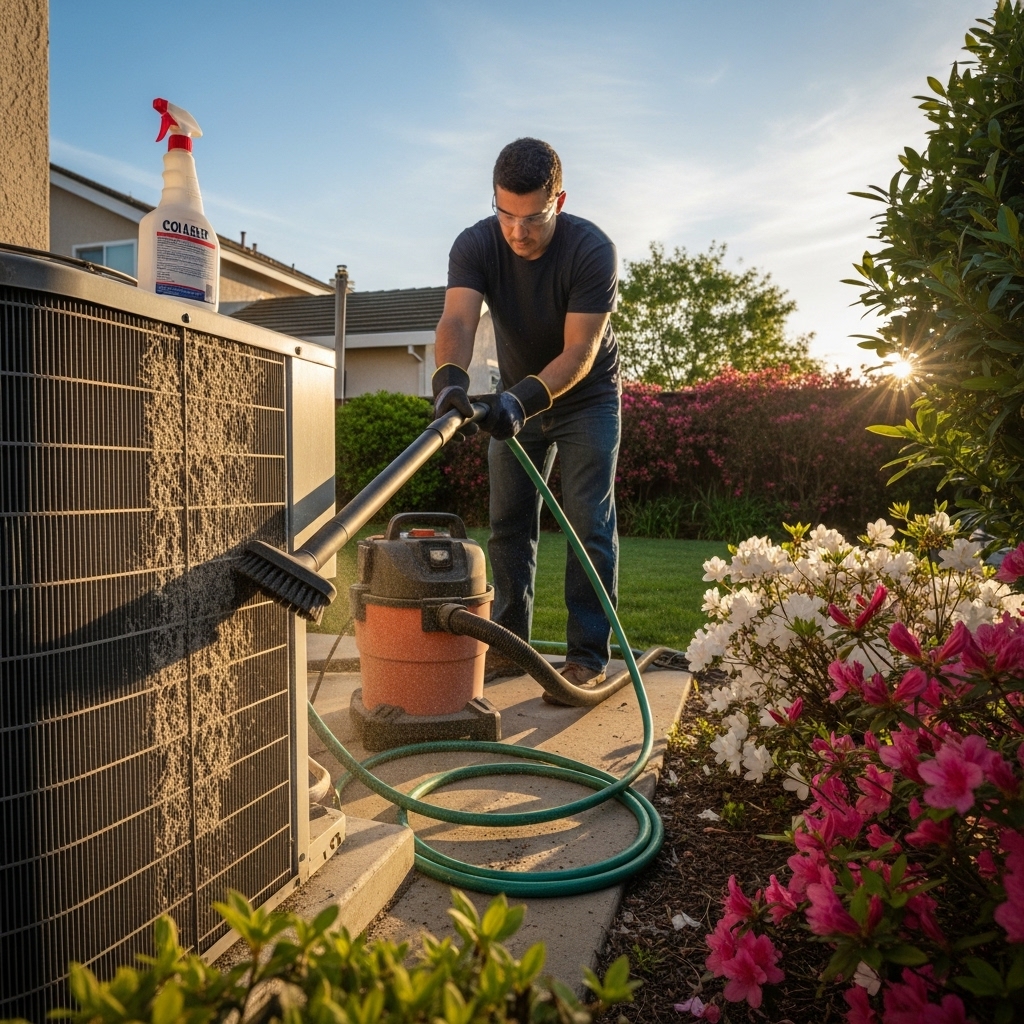
Coil health deserves special attention. A clean condenser coil sheds heat much more efficiently, and in Woodland Hills’ dry, dusty climate, coils accumulate lint and debris quickly. Removing obstructions around the outdoor unit, verifying fan speed, and cleaning the coil surface boosts capacity on the hottest days. Indoors, the evaporator coil thrives when filtration is tight and filters are changed regularly; otherwise, dust mats the coil and creates a double penalty of reduced cooling and higher energy use. Repairs that restore coil performance restore comfort you can feel in every room.
As summer sets in, vigilance becomes your friend. Listen for the small changes: a new rattle from the outdoor unit, a longer than usual pull-down in the late afternoon, or a faint musty smell at start-up. Those hints are your system asking for attention. Addressing them quickly—tightening a loose panel, checking charge, clearing a condensate line—keeps comfort steady during the months when you ask the most from your equipment. This is also the time to double-check thermostat strategies. Pre-cooling late in the morning, closing blinds before peak sun, and using ceiling fans to help distribute air all support the system. But those strategies work best when sensors are calibrated and staging is configured correctly, both of which are addressed during a thorough repair visit.
Mid-summer in the Valley is about resilience. The sun is relentless, attics bake, and even evenings can hold onto the day’s heat. In this period, small faults grow quickly. A weak capacitor becomes a non-start on a scorcher; a barely adequate filter becomes a restriction that causes the evaporator to frost. Scheduling a mid-season check can be smart, especially for older systems or homes with heavy use. Technicians who know Woodland Hills look for the telltales—insulation on refrigerant lines that has baked and cracked, contactors with visible pitting, return leaks that pull in hot attic air—and correct them before they cascade into bigger problems.
As summer fades into fall, the character of maintenance shifts with the winds. Santa Anas can arrive abruptly, bringing dry, warm air and dust that finds every crevice. Wildfire smoke from distant hills can drift in, and with windows closed to keep the air clean, your HVAC system becomes the main line of defense. Repairs that tighten return paths, confirm filter seals, and verify that outside air dampers are behaving correctly matter more than ever. If you have ever noticed a sudden spike in dust or a smoky smell indoors during these events, that is the system signaling a need for attention.
Fall is also the season for drainage diligence. After months of heavy cooling, condensate lines can harbor algae and debris. Clearing and treating the line prevents overflows that might reveal themselves only after a cool night when the system cycles differently. It is a simple step that protects drywall, flooring, and the area around the air handler. If your home has an upstairs air handler or lines running through finished spaces, think of this as insurance for your ceilings and walls.
Winter in Woodland Hills is mild but not negligible. Nights can dip low enough to make a well-tuned furnace a welcome friend. Gas furnaces deserve safety-focused attention: flame sensors cleaned, burners inspected, and heat exchangers evaluated for cracks. Even if your heating hours are few, repairs that address ignition reliability and venting keep the system ready for the surprise cold snaps that arrive with winter storms. For heat pump homes, winter checks verify defrost cycles and ensure that reversing valves and sensors respond properly, preserving steady comfort on the occasional chilly morning.
Throughout the year, ductwork remains the hidden engine of comfort. Seasonal shifts in use patterns can reveal duct-related issues. Perhaps you closed a guest room for the summer and now find the adjacent bedroom too warm; or a remodel moved furniture and changed how a return behaves. Each new season is a chance to ask whether airflow matches how you live today. Repairs that tweak dampers, seal obvious leaks, or add a return where it makes sense can reset the system for the next phase of the calendar.
The attic is another quiet player in the seasonal story. Insulation that has shifted and ducts that run across hot spaces both affect how hard the HVAC system must work. During spring and fall visits, ask your technician to take a quick look. Sometimes the best repair is not a part but a repositioned duct or a resealed boot that stops hot attic air from sneaking into a hallway. Little changes like these have an outsized impact when July arrives.
It is also worth remembering that seasonal repair is about people as much as parts. Share your home’s rhythms with your technician: which rooms you use most, when the house fills with family, and where comfort falls short late in the day. Local pros who work in Woodland Hills every week understand how west-facing windows, hillside breezes, and neighborhood-specific quirks show up in comfort complaints. Together you can prioritize fixes that make life better now and build resilience for the months ahead.
If you are wondering how to time visits, think in pairs: a thorough spring evaluation before the first heatwave and a tidy fall check that prepares the home for dry winds and cooler nights. Older systems or heavy-use homes may benefit from a quick mid-summer check, especially if you notice changes in sound or performance. The goal is not constant service but smart, seasonal attention that prevents surprises during the extremes.
Seasonal planning also means having a simple playbook for sudden events. If a unit trips a breaker on a very hot day, switch it off and call for help rather than resetting repeatedly. If you see frost on refrigerant lines, let the system thaw and avoid running it until a technician can evaluate the cause. If smoke rolls in from a wildfire, set the system to recirculate, ensure filters are snug, and keep doors and windows closed. Each of these steps supports the repairs you have already invested in and keeps your home as comfortable and healthy as possible.
All of this advice comes down to a single idea: align your HVAC system with the seasons rather than reacting to them. When you do, your home feels consistently welcoming, your equipment works within its comfort zone, and the intense days feel manageable rather than stressful. That is the Woodland Hills way—prepared, practical, and tuned to our corner of the Valley.
When should I schedule my main HVAC check each year?
Plan for spring, before the first prolonged heatwave. This timing catches wear from the previous season and lets you address repairs before demand peaks. A quick fall check is smart as well, especially to tighten filtration and verify drainage before dry winds and cooler nights arrive.
How do I know if my system needs a mid-summer visit?
Listen for new noises, watch for longer cool-downs, check for ice on lines, and note any musty smells at start-up. These symptoms suggest issues that grow quickly under high heat and should be evaluated promptly.
What seasonal tasks make the biggest comfort difference?
Restoring airflow by sealing duct leaks and calibrating dampers, testing electrical components before peak season, cleaning coils, and clearing condensate drains deliver immediate comfort improvements and protect reliability during extreme conditions.
How can I protect indoor air quality during smoke events?
Ensure filters fit tightly, set the system to recirculate, and have outside air dampers verified for proper operation. Repairs that close return leaks and improve pressurization help keep particulates out when outdoor air is poor.
Do smart thermostats help with seasonal comfort?
They do when paired with healthy equipment. Pre-cooling strategies, schedule adjustments, and occupancy sensing are most effective after sensors are calibrated and stages configured during a repair-focused visit.
Is a fall visit really necessary if the system ran fine all summer?
Yes, because summer runtime exposes weaknesses in drains, seals, and sensors that may not show until conditions change. A brief fall check corrects these items and sets you up for a clean, quiet winter.
If you are ready to get ahead of the weather instead of chasing it, schedule a seasonal evaluation and targeted HVAC repair. With the right prep at the right time, your Woodland Hills home will glide through the year—cool, calm, and comfortable in every season.