
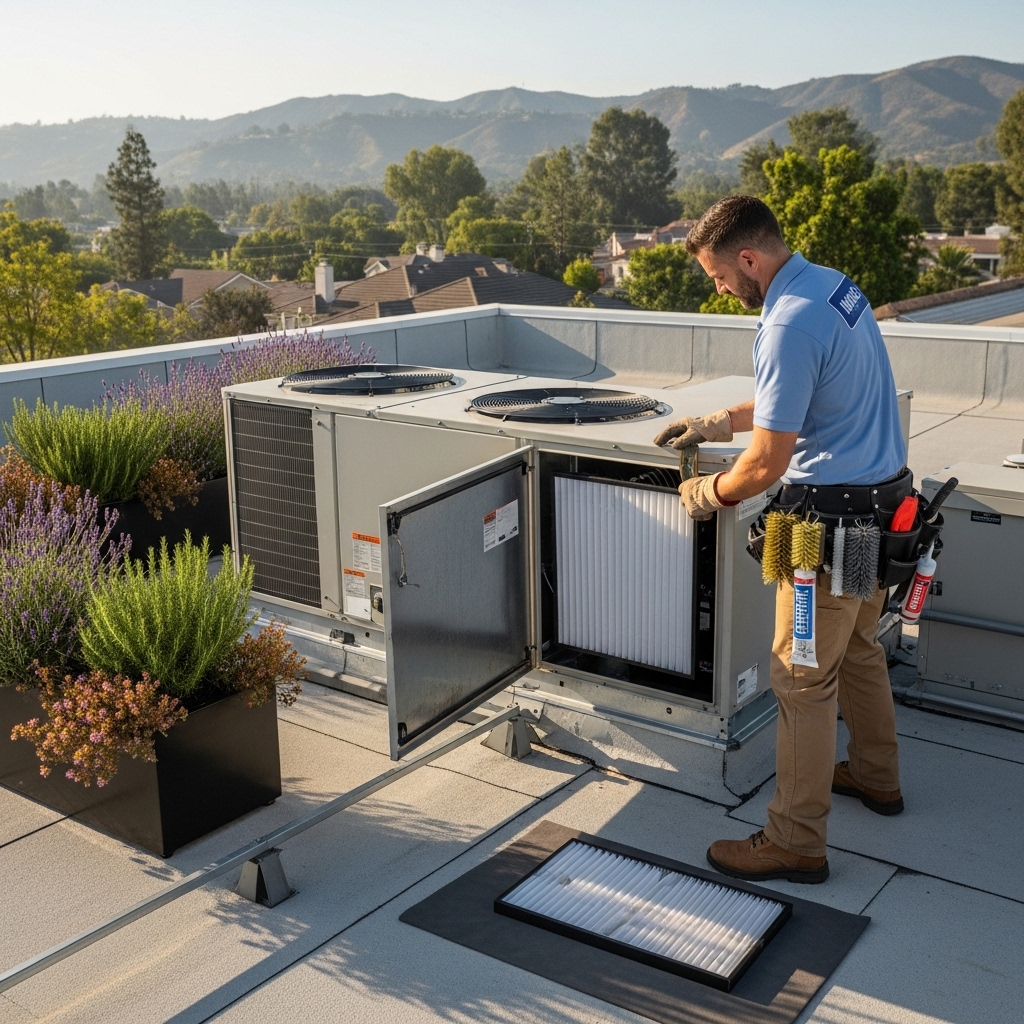
In Woodland Hills, the calendar itself tells you when to act. Late spring whispers that the long afternoons are coming; by July, the heat announces itself every time you open the door. If your air conditioner is going to carry you comfortably through the season, the path begins before the first heat wave. Preventive care is not complicated, but it must be timely and thorough—especially in a Valley microclimate where attics bake, dust rides the wind, and equipment runs long hours. Over the years, I have seen how consistent, preventive AC repair and maintenance transforms a system from a source of worry into a quiet, dependable partner.
The concept is simple: remove obstacles before they cause strain, verify performance so small drifts do not become large failures, and set your system up to handle the heaviest days with ease. When we talk about prevention, think in terms of airflow, cleanliness, electrical integrity, and drainage. Each category interacts with the others. A clean coil depends on a good filter; good airflow depends on a healthy blower and sealed ducts; electrical stability depends on connections that stay tight even when equipment vibrates in summer heat. When these fundamentals are right, your system runs shorter cycles, reaches the setpoint reliably, and rests more—saving energy and extending equipment life.
Start with the environment your system lives in. In Woodland Hills, many air handlers sit in attics that reach temperatures far higher than the living space below. Condensate drains run across rafters, flex ducts snake through tight spots, and every joint is a potential source of leakage. Outdoor units collect grit during breezy afternoons and must still shed heat when the sun beats down. Preventive maintenance recognizes these realities and adjusts accordingly. What works for a coastal home needs reinforcement here.
Spring Readiness: The Foundation of a Smooth Summer
In late spring, the focus is on clearing the pathway for airflow and verifying the heart of the system. Replace or wash filters and confirm they fit tightly in the rack; a filter that allows bypass will soil the coil quickly. Inspect and clean the evaporator coil if there is any sign of buildup. A thin film may seem harmless, but it can be enough to reduce heat transfer and nudge the coil toward freezing during long runs. Check the blower wheel for dust that steals efficiency, and make sure the housing is secured so vibration does not reappear later as a rattle.
Outdoors, wash the condenser coil thoroughly. In Woodland Hills, dust and pollen can pack the fins. Gentle cleaning from the inside out restores the coil’s ability to reject heat, which keeps head pressures in check. Confirm the condenser fan spins freely and that its motor and capacitor test within specification. Level the unit on its pad if settling has tilted it; level units run quieter and place less stress on piping and wiring. Finally, clear vegetation to ensure a free flow of air around the unit.
Electrical Integrity: Small Parts, Big Consequences
Electrical components are the good citizens of preventive care because they reveal their condition through measurable values. Test capacitors for proper microfarads, inspect contactors for pitting, and tighten lugs and wire connections. In the heat we endure, vibration and thermal cycling can loosen connections over time. A slightly loose connection becomes a hot spot, and a hot spot becomes a failure during the first extended afternoon run. Preventive replacement of marginal parts—especially if they are at or below tolerance—can avert midseason outages.
Check amperage draw during startup and under load. Compare readings to nameplate values and previous service records. A compressor or blower that starts to draw higher amperage may be telling you it is working too hard due to airflow restrictions or coil conditions. Finding that story early lets you correct the cause before the symptom turns into a breakdown.
Airflow and Duct Health: The Silent Savings
In many Woodland Hills homes, the duct system is the quiet culprit behind uneven rooms and long runtimes. Preventive maintenance includes inspecting ducts for obvious damage, sealing leakage at joints with mastic, and verifying insulation is intact. Returns deserve special attention; an undersized or leaky return starves the system and raises static pressure. Elevated static forces the blower to work harder and reduces the volume of cool air you feel at the registers. Correcting return issues can make a home feel transformed without touching the outdoor unit at all.
Balancing airflow is also part of prevention. Adjusting dampers to favor rooms that take afternoon sun, confirming that doors can close without pressure spikes, and recommending a new return grille where air is stagnant are steps that pay dividends. These adjustments turn into shorter, calmer cooling cycles and reduce the temptation to keep lowering the thermostat—because comfort simply feels easier.
Drainage: The Unsung Hero of Summer Reliability
Condensate management is where prevention shines. A blocked drain line shows up as a puddle or a float switch trip at the worst time. During maintenance, clear the drain line, clean the trap, and verify pitch so water flows freely. Inspect the secondary drain pan and test float switches. In Woodland Hills, where air handlers in attics see heavy condensation production, a clean, verified drain prevents ceiling stains and unexpected shutdowns when you need cooling most.
Consider simple safeguards like installing a drain cleanout or treating the line periodically. These are small touches that make maintenance easier and more effective. A few minutes spent here early can save hours of inconvenience later.
Midseason Check: Catching Issues Under Real Load
After a few weeks of frequent use, weaknesses that were not apparent in spring become visible. Coils collect new dust, filters load up, and tiny refrigerant leaks reveal themselves in pressure readings. A midseason visit focused on verification—temperature split, superheat, subcooling, static pressure, and amperage—confirms that the system is still operating where it should. If the numbers drift, the fix may be as simple as cleaning the condenser again, changing a filter, or adjusting blower speed, but the impact on comfort and reliability is real.
Midseason is also the right moment to act on early warnings. If a capacitor is testing low, replace it before the next heat wave. If a blower motor starts slowly, address it before it stalls. If the drain shows signs of buildup, clean it before it plugs. These proactive steps are the essence of preventive AC repair—small, timely interventions that keep your home cool without drama.
Thermostat Strategy and Realistic Setpoints
Comfort is not only about machinery; it is also about strategy. In Woodland Hills, a thermostat plan that reflects your routine saves energy and stress on the system. Use schedules that avoid extreme setbacks; letting the house drift too warm during the day forces a hard recovery just when the outdoor temperature peaks. Instead, aim for steady, moderate adjustments and pre-cool gently if you return home in late afternoon. Verify thermostat calibration and consider relocating it if sun or drafts mislead its sensor.
For homes with variable-speed or two-stage equipment, ensure the thermostat is configured to command those features correctly. A mismatch between thermostat logic and equipment capability can waste the benefits you paid for. Professional setup during maintenance is the easiest way to lock in these gains.
Indoor Air Quality as a Preventive Priority
Healthy air complements preventive maintenance. A secure filter rack prevents bypass, letting your filter do its job. Sealed returns keep dusty attic air out of the system. When coils and blower wheels stay clean, performance stays high with less effort. In wildfire season, these details matter even more. A tight, clean system filters better, keeping particulates down and making your home feel calmer even when the air outside is not at its best.
Consider the filter itself as part of the plan. Choose a media that balances filtration with airflow. Too restrictive, and you risk starving the system; too open, and you let debris through. A technician can help you pick the sweet spot for your equipment and your indoor air needs.
Longevity: How Prevention Extends Equipment Life
Every hour of smooth operation is an hour your equipment is not enduring excess heat or vibration. That is how preventive care stretches service life. Keeping electrical parts within spec, airflow balanced, and coils clean reduces the strain that ages compressors and motors. It also keeps noise down, a sign that panels are tight, fans are balanced, and the system is not fighting its own ductwork. Over time, a well-cared-for system simply lasts longer and demands fewer large repairs.
There is a psychological benefit, too. When you know the system has been inspected and verified, you stop listening for problems. Your home fades into the background, quietly comfortable, even on those days when the sidewalk seems to shimmer in the sun.
Planning the Year: A Local Maintenance Calendar
In our Valley climate, a sensible calendar looks like this: late spring for a full tune-up, mid-summer for a performance check, and early fall for any corrections before winter. If you heat with a heat pump, that fall visit ensures the system transitions smoothly. This cadence respects how the Woodland Hills environment treats your equipment and gives you the best chance to avoid peak-season breakdowns.
Between visits, keep an eye on your filter, listen for new noises, and walk outside to glance at the condenser. Trim vegetation, keep debris away, and note any unusual vibration. Simple awareness pairs beautifully with professional maintenance to keep your system predictable.
FAQs: Preventive AC Care
How often should I schedule maintenance?
At least once before peak heat, with a midseason check if your system runs long hours. Woodland Hills conditions magnify small issues, so periodic verification pays off.
What can I do between professional visits?
Check and change filters regularly, keep the outdoor unit clear of debris, and pay attention to new noises or changes in airflow or runtime. Small observations help your technician target potential issues quickly.
Is coil cleaning really necessary every year?
In our dusty, hot environment, coils often need annual attention. A clean coil restores heat transfer, reduces runtime, and prevents icing during long cycles—key benefits during Woodland Hills summers.
Do duct leaks matter if my rooms seem fine?
Yes. Leaks waste cooled air into hot attics, increase runtime, and can draw dusty air into the system. Sealing returns and supplies supports efficiency and improves air quality, even if comfort appears acceptable today.
Can thermostat upgrades reduce wear on my system?
When configured properly, yes. Smarter schedules, gentle setbacks, and accurate sensors reduce unnecessary cycling and help your system operate in its sweet spot more often.
What signs mean I should call before something breaks?
New vibrations, repeated breaker trips, water in the secondary pan, longer-than-usual runtimes, or rooms that change temperature behavior are all early warnings. Acting on them early prevents larger failures.
Preventive care is the difference between bracing for summer and breezing through it. If you are ready to stop worrying about what the next heat wave might bring, put a plan in place and stick with it. Schedule comprehensive AC repair and maintenance now so your Woodland Hills home stays reliably cool, calm, and comfortable from the first warm morning to the final late-summer sunset.