
In Woodland Hills, where summer heat builds early and lingers well into the evening, a well-cared-for air conditioner is the quiet backbone of home comfort. Good maintenance habits do more than prevent breakdowns; they make every repair cleaner, quicker, and more effective. When a technician arrives to find a system with clear access, reasonably clean coils, and filters that have been changed regularly, diagnostics are sharper and fixes go straight to the cause. That’s why, as a local tech who works from the hills near Mulholland down to the flats along Ventura Boulevard, I emphasize practical routines that fit real life. If you’re unsure where to start or you’re addressing a nagging issue now, it helps to lean on local specialists who focus on AC repair and understand how our climate shapes equipment wear.
Maintenance doesn’t need to be complicated. It’s a set of small actions across the season that keep the system in balance. In our area, dust from dry stretches, debris from windy afternoons, and relentless sun all play a part. The more you can do to keep airflow clean and temperatures reasonable around the equipment, the less strain your AC faces during the hottest hours. Pair those habits with a professional tune-up before peak heat, and you’ll be setting the stage for a smoother summer.
Start with Airflow: The Foundation of Healthy Cooling
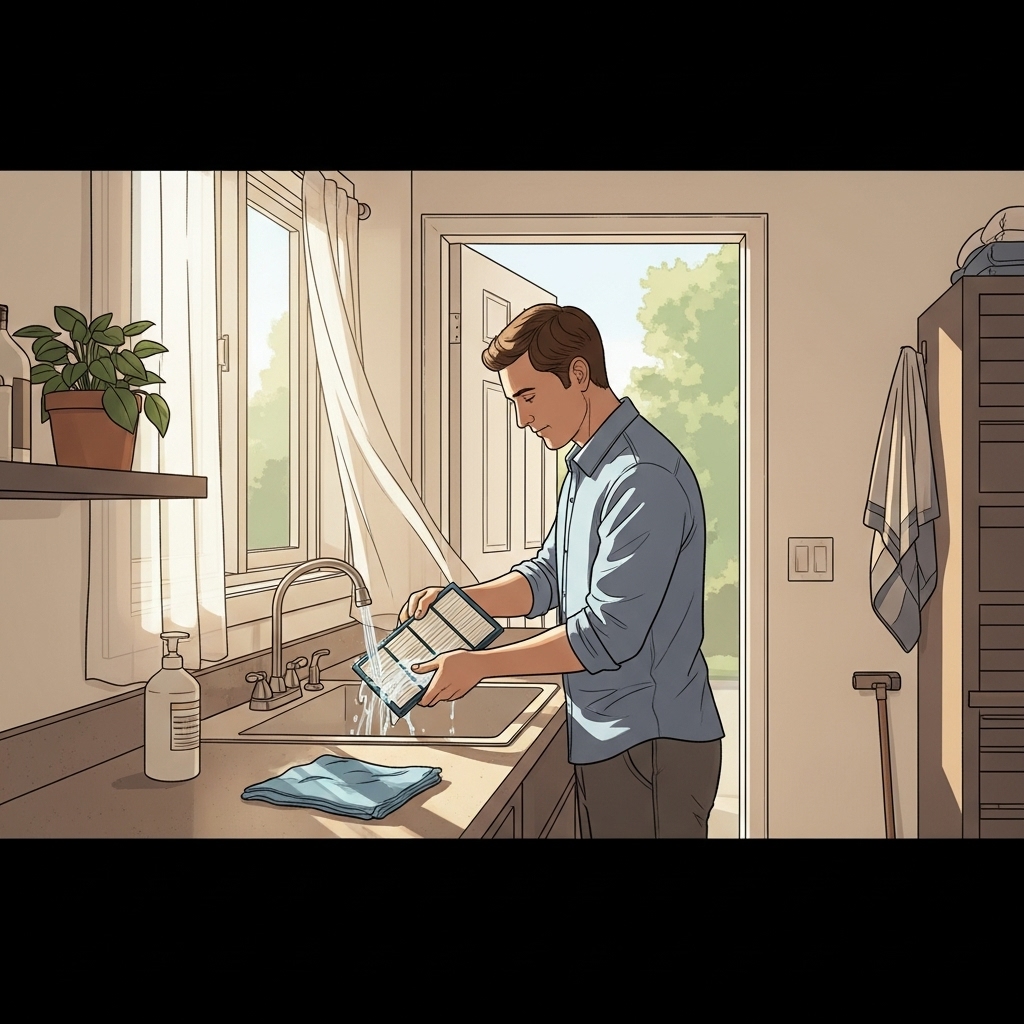
Airflow is where comfort begins. Your system can only remove heat as quickly as air moves across the evaporator coil. When filters clog or registers are blocked by furniture, that transfer slows down. The system responds by running longer, and components like the blower motor and compressor work harder. In Woodland Hills, where afternoons can test even a robust air conditioner, protecting airflow is priority one. Make it a habit to check filters monthly in summer. If you have pets or live near ongoing construction, you may need to change them more frequently.
While most people focus on the main return filter, it’s also smart to look at the supply side. Keep registers open and clear, avoid heavy drapes that fall over vents, and periodically vacuum the grilles to remove dust. These simple steps prevent the slow creep toward high static pressure that can disguise itself as a mysterious loss of cooling on hot days.
Keep Coils Clean for Real Heat Transfer
Even a thin layer of dust on the evaporator or condenser coil is enough to dent performance. Indoors, that dust acts like a blanket, insulating the coil and reducing its ability to absorb heat. Outdoors, leaves, lint, and pollen can mat onto the condenser, making it harder to reject heat to the air. In Woodland Hills, a windy week can load a coil faster than you’d expect. A professional cleaning as part of a spring tune-up helps a lot. Between visits, you can gently rinse the outdoor coil with a garden hose, aiming from the inside out if the panel design allows for it, and keep the area around the unit clear of shrubs and clutter.
Inside, coil access varies by system, which is why professional cleaning matters. We handle fragile fins with care, use the right solutions, and protect nearby components. The payoff is quieter, steadier operation—and repairs that don’t have to fight through layers of grime to reach their full effect.
Mind the Condensate: Drains that Flow Prevent Damage
Air conditioners pull moisture out of the air, and that water needs a path to exit. Condensate lines can clog with algae and debris, particularly in warm, shaded runs. When that happens, float switches trip, systems shut down, or water appears near the air handler. Making drain health part of your maintenance routine is simple but important. Pouring a bit of water through the drain to confirm flow, keeping the area around the drain clear, and allowing a professional to add cleanout access or traps where needed will prevent surprises.
In attics, which are common in Woodland Hills, secondary drain pans and safety switches are safeguards against leaks. During a pre-summer check, we verify their condition and confirm that the drain line slope is correct so water doesn’t stagnate and grow algae that blocks the line later in the season.
Protect the Outdoor Unit’s Breathing Room
Your condenser needs space to breathe. If shrubs crowd the coil or fencing traps hot air, the unit recirculates its own heat and loses efficiency. In our Valley heat, that’s a recipe for noisy, strained operation on late afternoons. Keep at least a couple of feet of clearance around the unit, trim back plants as spring growth accelerates, and avoid stacking storage nearby. If the unit sits under a roof overhang where heat collects, we’ll look at ways to improve ventilation or modestly adjust placement during a future service.
Also watch for lint from dryer vents if they’re nearby—it can coat the coil quickly. A quick rinse of the condenser after laundry-heavy weekends can make more difference than you’d think.
Thermostat Habits for Smooth Operation
Thermostats are powerful, and sometimes their settings inadvertently stress the system. Aggressive schedules that set large temperature setbacks can force hard ramps in the afternoon, especially when the house has absorbed heat all day. In Woodland Hills, where the sun can spike temperatures late, a gentler approach works best. Choose a comfortable setpoint and hold it through the hottest hours. If you prefer a setback while you’re away, keep it modest so the system doesn’t have to sprint to catch up when you return home.
We also check thermostat placement. If direct sunlight hits it or if it’s near a supply register, it can misread the room and cause over- or under-cooling. During service, we’ll suggest tweaks that make readings more representative of the home.
Build a Seasonal Rhythm
The best maintenance is a routine you barely have to think about. In spring, schedule a professional tune-up. We’ll clean coils, verify refrigerant charge, test electrical components, and inspect ductwork. Throughout summer, check filters, keep the outdoor area clear, and listen for changes in sound—your ear will often catch small shifts before your skin feels them. In fall, when use decreases, take the opportunity to clean and reset so the system rests ready for the next season.
This cadence matters because our weather flips from pleasant to punishing quickly. If you’re already in the habit of looking in on the system, you’ll be less likely to be caught with a clogged filter or a slow drain just as the forecast jumps.
Partner with Professionals for Targeted Care
Good habits and professional service complement each other. We bring tools for measurements that homeowners can’t reasonably make—static pressure, detailed electrical readings, temperature splits under controlled conditions. Those numbers tell us where the system is drifting and where a small adjustment will have the biggest payoff. When we arrive to find a system that’s been maintained, we can move quickly to the heart of the issue, and every repair lands with more impact.
If you’re unsure whether what you’re seeing is normal, start a dialogue. Woodland Hills homeowners often begin by reaching out to local teams that handle AC repair with a seasonal focus, so they can ask questions, share observations, and prioritize actions that fit their home and schedule.
Airflow Balance and Room-by-Room Comfort
Many homes in our area have rooms that run hotter—upper floors, west-facing bedrooms, or spaces over garages. Maintenance can’t change the sun’s path, but it can help your system respond intelligently. We look at supply register sizes, damper positions, and duct runs to identify simple adjustments that even out temperatures. In some cases, rearranging furniture or shifting a register deflector can redirect air where it’s needed most. These tweaks make your AC feel stronger without touching the equipment itself.
For persistent hot rooms, we’ll discuss options like minor duct modifications or supplemental zoning. The sooner we address those imbalances, the less your main system has to overpower them on peak days.
Clean Surroundings, Cleaner Repairs
A tidy mechanical area and accessible attic make service smoother. Clearing storage away from the air handler, ensuring a safe path in the attic, and keeping outdoor units free of clutter allow us to spend our time improving performance rather than navigating obstacles. That can shorten visits and help us catch details we might otherwise have to return for when access was limited.
In older homes, we also watch for signs of previous work—taped-over access panels, nonstandard wiring, or unusual drain routes. Cleaning up those legacy issues reduces the chance of nuisance shutdowns and gives you a system that behaves predictably.
Preventing Electrical Wear
Heat and time are tough on electrical components. Contacts can pit, insulation can dry, and connections can loosen. During maintenance, we look for discoloration, heat marks, and weak components, and we tighten and secure as needed. These small touches help prevent midsummer failures like a contactor that sticks or a capacitor that can’t start a motor under high load. In Woodland Hills, where late afternoon heat intensifies demand, those preventative corrections matter.
If your condenser sits where it’s exposed to direct sun, we’ll also talk about shading strategies that don’t block airflow. Reducing radiant load on the unit helps components live easier lives.
Listening to Your System
Beyond gauges and meters, your own observations are powerful. Notice changes in sound—a new rattle, a higher-pitched whine, or a harsher start-up. Pay attention to how long it takes to feel cool at the vents and whether certain rooms begin to drift warm sooner than they used to. Share these notes during service; they guide diagnostics and make repairs more targeted. Think of it as keeping a log not on paper, but in your mind—just a series of impressions that, combined with our measurements, solve problems faster.
FAQ: Maintenance Habits for Woodland Hills Homes
How often should I change filters in summer?
Check monthly and change as needed—especially if you have pets, live near dusty streets, or notice a decline in airflow. Consistent filter care is the single easiest way to protect performance.
Do large thermostat setbacks save energy here?
Big setbacks often backfire in Woodland Hills. The home absorbs heat during the day, and asking the system to recover quickly in late afternoon forces hard, inefficient operation. Modest setbacks or steady setpoints work better.
Is hose-rinsing my outdoor unit safe?
Yes, gentle rinsing is helpful. Avoid high-pressure jets that bend fins, and whenever possible, rinse from the inside out to push debris the way it came in. If panels need removal, leave that to a professional cleaning.
Why do coils get dirty so quickly?
Our dry, windy spells carry fine dust that clings to moist coil surfaces. The film builds slowly but has a big impact on heat transfer. Regular cleaning keeps efficiency and comfort up.
What should I do if I see water around my air handler?
Shut the system off and call for service. It may be a clogged condensate line or a failed pan. Continuing to run risks water damage. We’ll clear the line, verify slope, and check safety switches.
Can maintenance delay the need for major repairs?
Absolutely. By keeping airflow, cleanliness, and electrical health in line, you lower stress on every component. Many major failures are the end of a chain that began with neglect. Good habits break that chain.
Ready for a Smoother, Cooler Season?
If you want your air conditioner to feel stronger on hot afternoons and your repairs to be quicker and cleaner when they’re needed, build the simple habits that keep the system in balance—and pair them with a professional tune-up before the heat peaks. When you’re ready to take the next step, schedule with local specialists who focus on dependable AC repair and know how Woodland Hills homes stay cool when summer really sets in.