
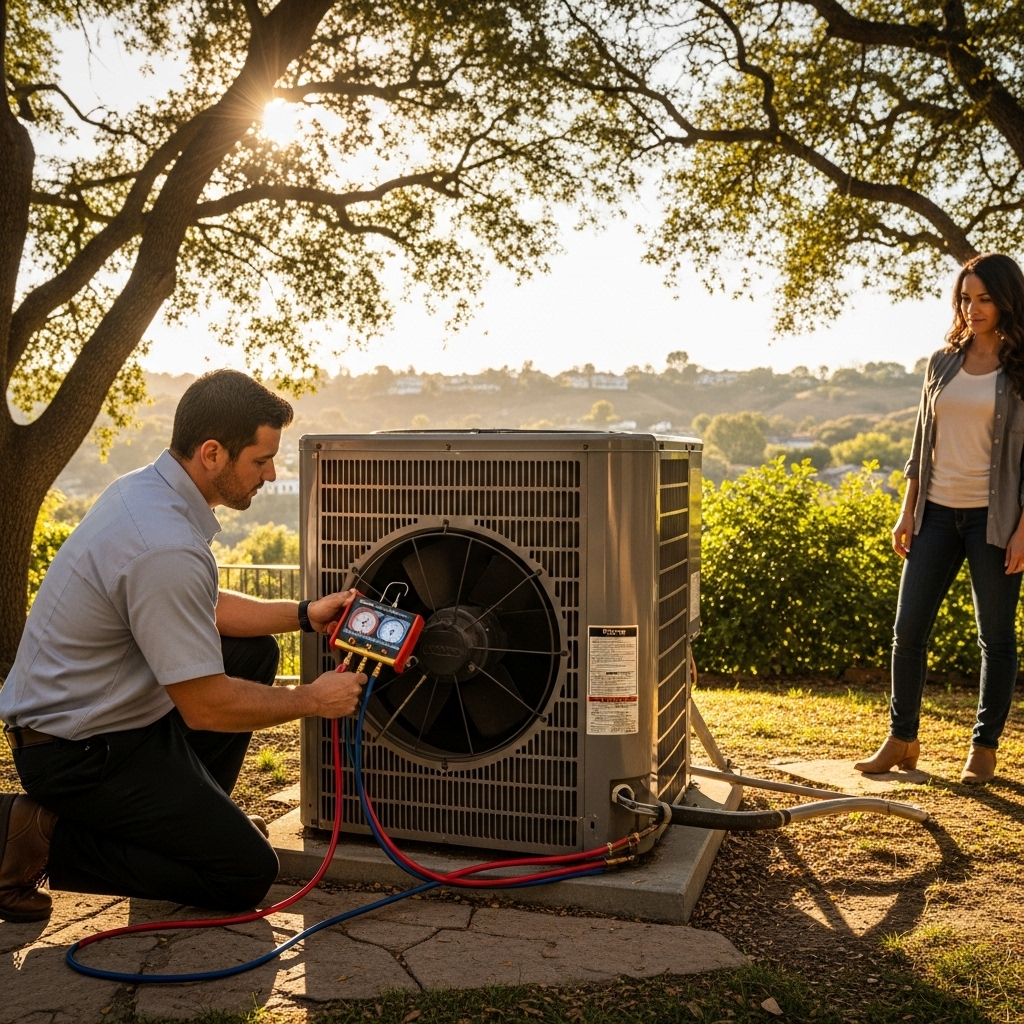
Why AC repair pays off in Woodland Hills
On a late-summer afternoon in Woodland Hills, when the foothills glow and the sidewalks radiate heat, the difference between a home that stays cool and one that gradually gives way to the temperature outside often comes down to the health of your air conditioner. In our corner of the San Fernando Valley, AC units work long, hard hours from the first warm spell in spring through the last October heat wave. That is exactly why timely, professional AC repair offers benefits that reach far beyond a quick fix. It helps reclaim comfort during relentless highs, protect equipment from cumulative wear, and maintain a healthier indoor environment even when wildfire smoke drifts over the 101. If you are exploring options for dependable help, this simple resource for keyword can serve as a starting point while you consider what your system needs most.
Most people think of AC repair as something you do when the unit fails, but around Woodland Hills it is more like course correction on a long uphill drive. The climb is our climate. The valley can trap heat, Santa Ana winds can push temperatures into the triple digits, and even nights can remain stubbornly warm. Small performance losses that might go unnoticed elsewhere are amplified here, showing up as longer runtimes, warmer rooms, and higher energy use than you remember from the spring. Addressing issues early—whether a weak capacitor, a dirty coil, or a sensor out of calibration—puts your system back on the efficient path and restores a steady rhythm of cooling that you can feel room by room.
Comfort that holds steady through heat waves
When your system is tuned and repaired to spec, comfort is not only cooler; it is steadier. In older Woodland Hills homes with varied insulation and sun exposure, temperature swings from one side of the house to the other can be dramatic. A blower that is not reaching its designed speed or a condenser fan that is lagging behind can leave far rooms warmer by five or six degrees. Repair brings those core components up to their intended output so conditioned air circulates as designed. You will notice quicker pull-down after you return home, fewer hot-and-cold pockets in bedrooms, and a living room that does not backslide during the late afternoon peak when the patio bricks are radiating heat back toward the house.
Energy efficiency that lasts beyond the bill
Energy efficiency is not just about one lower utility bill; it is about preserving the designed performance of your system across the season. In our area, where time-of-use rates and long cooling seasons stack up, every percentage point of system efficiency you reclaim can add up to fewer hours of runtime and less mechanical strain. Repair work like sealing a minor refrigerant leak, straightening and cleaning a congested outdoor coil, or replacing a failing contactor translates into a compressor that cycles normally and coils that exchange heat the way they were meant to, not in slow motion. The result is a quieter, shorter, more decisive cooling cycle that uses less energy to do the same job.
Equipment life protected one part at a time
Nothing compromises a compressor’s future like being forced to operate outside its normal conditions. Low refrigerant pressure, high head pressure from clogged coils, or voltage irregularities from tired capacitors can slowly erode its reliability. Repairing those issues promptly is like removing a heavy backpack your system has been carrying in the heat. The motor windings stay cooler, lubricants keep their integrity longer, and bearings avoid the shock loads that come when fans start reluctantly. Over the years, this translates into fewer catastrophic failures, fewer high-stress starts, and a longer useful life for the most expensive component in your system.
Cleaner, healthier indoor air
Wildfire episodes and dry, dusty spells are a reality in and around Woodland Hills. When your AC is in top shape, it becomes an ally in indoor air quality. A correctly sized blower and balanced refrigerant charge help the coil maintain proper temperature, which improves moisture management and keeps filters working effectively. When filters seat correctly, coils stay cleaner; when coils stay cleaner, they resist biofilm and maintain proper heat transfer. Repair also catches air leaks on the return side that can pull attic dust and insulation fibers into the duct stream. The net effect is a home that feels fresher and stays more comfortable even when outside air is smoky or filled with fine particulate.
Quieter operation that blends into the background
Noise tells a story. A clicking contactor, a whining condenser fan, or a blower that hums louder than it used to are signs that parts are wearing and tolerances are changing. In Oak Hills neighborhoods near Mulholland or ranch-style homes closer to Ventura Boulevard, quieter operation matters when windows are open on cool nights or you are trying to keep a nursery peaceful. Repair that replaces worn bearings, corrects vibration, and secures panels does more than reduce sound; it cuts down on the micro-movements that cause screws to loosen and wiring to chafe. That is how repair helps maintain both acoustic comfort and mechanical integrity.
Fewer surprises during peak demand
There is a very Woodland Hills kind of AC emergency: a condenser trips its breaker right as the afternoon climbs past 100 degrees and a dry wind picks up. When a system is marginal, that is when it tends to falter. Proactive repair and thorough checkouts—catching weak capacitors, cleaning coils, confirming voltage and amperage draw—makes it much less likely that your unit will stumble precisely when you need it most. A sturdy system handles those long, punishing runtime hours without losing pressure control or overheating. It starts reliably even when the temperature on the slab feels like a griddle.
Better performance from the thermostat you already own
The smartest thermostat can only do so much if the equipment it controls is struggling. After professional repair, you often discover that your existing thermostat strategy suddenly works the way it was supposed to. Schedules hold, setbacks recover predictably, and you can dial in a comfortable sleeping temperature without waking up to a cycle that runs half the night. In homes that face west and absorb hours of solar gain, predictable recovery is one of the most meaningful improvements you can gain from a well-repaired system.
Compliance with modern standards and best practices
California’s evolving building standards and efficiency expectations influence how AC systems should operate and be maintained. Proper refrigerant handling, appropriate electrical protection, correct airflow targets, and safe drain routing are not just nice-to-haves; they are embedded in best practices that protect your home. Repair helps align older equipment with today’s expectations, whether that is reseating a safety float to stop a ceiling leak, adjusting blower speeds to match ductwork, or confirming that the disconnect and breaker sizing are appropriate for the unit’s nameplate. The effect is a system that is safer to operate and easier to service.
Confidence through the shoulder seasons
We talk a lot about summer, but in Woodland Hills the shoulder seasons can be sneaky. March can swing from cool mornings to hot afternoons, and October often delivers the hottest days of the year. A repaired system handles these swings gracefully. It does not short cycle on mild days and it does not lag on the first hot weekend after a lull. When you set the temperature before a family gathering, the living room gets there and stays there, even as doors open and close and kids run in from the yard.
Real-world examples from around the Valley
Consider a 1990s split system in a cedar-shaded house near Topanga Canyon Boulevard. The owner notices longer cool-downs and a musty smell when the AC starts. A repair visit finds a marginal blower capacitor, a partially blocked condensate line, and a filter slot drawing attic dust. Replacing the capacitor restores proper fan speed, clearing the drain eliminates the odor, and sealing the filter rack stops the dust. The home cools quickly again, smells fresh, and the owner finds that the same thermostat schedule now maintains setpoints without running late into the evening. Or take a newer home off De Soto where the outdoor unit sits in full sun on a concrete pad. The condenser coil, matted with wind-blown debris and oily dust, forces the compressor to run hot. A careful cleaning and a replacement fan motor bring head pressure back into range. Suddenly the system starts smoothly during the 5 p.m. peak rather than groaning into motion.
Mid-season course correction
In the middle of the season, when dust, pollen, and leaf litter have made their rounds, an AC repair visit can feel like a reset button. The technician hears the slight rattle in the return, recognizes the lazy spin of a condenser fan, and sees the faint frost line on the suction tube that tells the truth about airflow. Addressing those items restores the balance of the system and brings back the crisp, confident cooling you remember from spring. If you are scanning options during a mid-season lull, a local provider who focuses on keyword can be a useful benchmark as you decide what to schedule next.
Repairs that support better dehumidification
Even in our dry climate, periods of humidity happen, especially during monsoonal flows or after a light rain when the ground radiates moisture into a hot afternoon. An AC that is correctly charged and moving the right amount of air over a clean coil can do a better job managing those sticky spells. You feel it as a more comfortable, velvety cool rather than a clammy chill. Rooms reach setpoint faster, then idle peacefully rather than yo-yoing a degree or two as the system tries to catch up.
A more resilient home during smoke events
When smoke drifts over the hills, your air conditioner becomes part of your resilience plan. Repairs that ensure tight return ducts, proper filter fit, and clean coils help your system act as a barrier, keeping particulates at bay and maintaining a slight positive pressure that discourages intrusion of outside air. The result is not only a cooler home, but one that feels like a refuge when the outside air looks hazy and smells of ash. And because the unit is operating within normal parameters, it is less likely to trip on high-pressure safety or produce condensate issues just when windows must stay closed.
Repair as stewardship
There is a stewardship mindset that often accompanies responsible AC repair. It shows up in little decisions, like replacing worn contactors before arcing causes heat damage, or tightening lugs at the disconnect so that voltage drop does not shorten compressor life. It looks like adjusting airflow after a duct modification so rooms that used to starve now receive enough supply to balance out. These are not cosmetic tweaks. They are part of a mindset that treats your AC system as a key appliance whose reliability affects sleep, work-from-home productivity, and well-being in a climate that does not always give you a break.
Peace of mind you can feel after sunset
In Woodland Hills, the best confirmation that AC repair has delivered real value comes in the evening. Windows may be closed, but the house is quiet. The bedrooms are cool without feeling cold. The unit outside cycles on and off with a calm steadiness. You are not thinking about the system at all—only about the relief it provides, day after day, without drama. That is what thoughtful repair buys you: the return of a background comfort that lets you spend your attention on anything but the thermostat.
Frequently Asked Questions
How do I know if my AC needs repair or just a filter change?
If cooling performance improves noticeably right after a fresh filter but fades again within days, there may be an airflow or motor issue beyond the filter. Signs like warm air, short cycling, breaker trips at startup, ice on the refrigerant line, or a musty smell from the vents point to repair needs that a filter alone will not solve.
Is it worth repairing an older system in Woodland Hills?
Age matters, but condition matters more. In our demanding climate, a well-maintained older unit with strong core components can provide several more reliable seasons after targeted repairs. The key is a thorough evaluation that looks at compressor health, coil integrity, electrical components, and airflow before recommending a path.
What AC problems are most common during Woodland Hills heat waves?
Weak run capacitors, dirty condenser coils, overheating fan motors, and marginal electrical connections are common stress points. During extreme heat, these issues reduce the system’s ability to reject heat, triggering long runtimes, high head pressure, and nuisance breaker trips.
Can repair improve indoor air quality during wildfire smoke?
Yes. Sealing return leaks, properly seating filters, cleaning coils, and restoring correct airflow all help the system filter better and maintain favorable pressure indoors. Paired with high-quality filters appropriate for your equipment, these repairs can reduce odors and particulates that otherwise infiltrate your living space.
How often should I consider a repair visit versus a maintenance tune-up?
Maintenance is preventive and should be scheduled before peak season; repair is corrective and should be scheduled when performance changes or symptoms appear. In Woodland Hills, many homeowners combine both by timing maintenance early in spring and addressing any repair findings immediately, rather than deferring them into summer.
Will repair reduce system noise?
Frequently. Many noises trace back to parts that are wearing or out of balance. Replacing bearings, aligning fan blades, securing panels, and correcting motor speeds can bring a system back to its designed sound profile, which is quieter and smoother.
Can a thermostat cause problems that look like equipment failure?
Absolutely. A miscalibrated or poorly placed thermostat can cause short cycling, late recovery, or inconsistent temperatures. Part of a good repair visit is verifying thermostat placement, settings, and sensor accuracy to rule out control issues before adjusting mechanical components.
Ready for reliable comfort in Woodland Hills?
If you have noticed longer runtimes, uneven cooling, or new noises, your AC is telling you it wants attention. Schedule a professional evaluation, address the small issues before they become big ones, and enjoy the confidence that comes with a system tuned for our climate. If you are ready to take the next step, reach out to a trusted local provider through this resource for keyword and reclaim your cool, calm home before the next heat wave arrives.