
Keeping an HVAC system healthy in Woodland Hills is about understanding how our microclimate stresses equipment and then responding with simple, consistent care. This corner of the San Fernando Valley sees long stretches of triple-digit highs, warm nights, and the occasional blast of Santa Ana winds that bring dry air and dust. Against that backdrop, thoughtful maintenance and timely repairs deliver the comfort and reliability local homes count on. As you plan for the season ahead, it helps to know which tasks matter most, when to schedule them, and why investing in proactive HVAC repair keeps everything running the way it should.
Start with airflow, because airflow is comfort. Many Woodland Hills homes have a mixture of older duct runs, attic transitions, and returns carved into tight spaces. Even small restrictions add up in the heat. Checking that supply registers and returns are clear, verifying the filter fit, and listening for new rattles or whistling are easy steps that reveal developing issues. If a room that was once easy to cool now lags behind, it is usually a sign that a hidden damper has shifted, a return is starved, or a motor is losing speed under load. Addressing those issues early with targeted repair keeps temperatures even and prevents overworking the condenser.
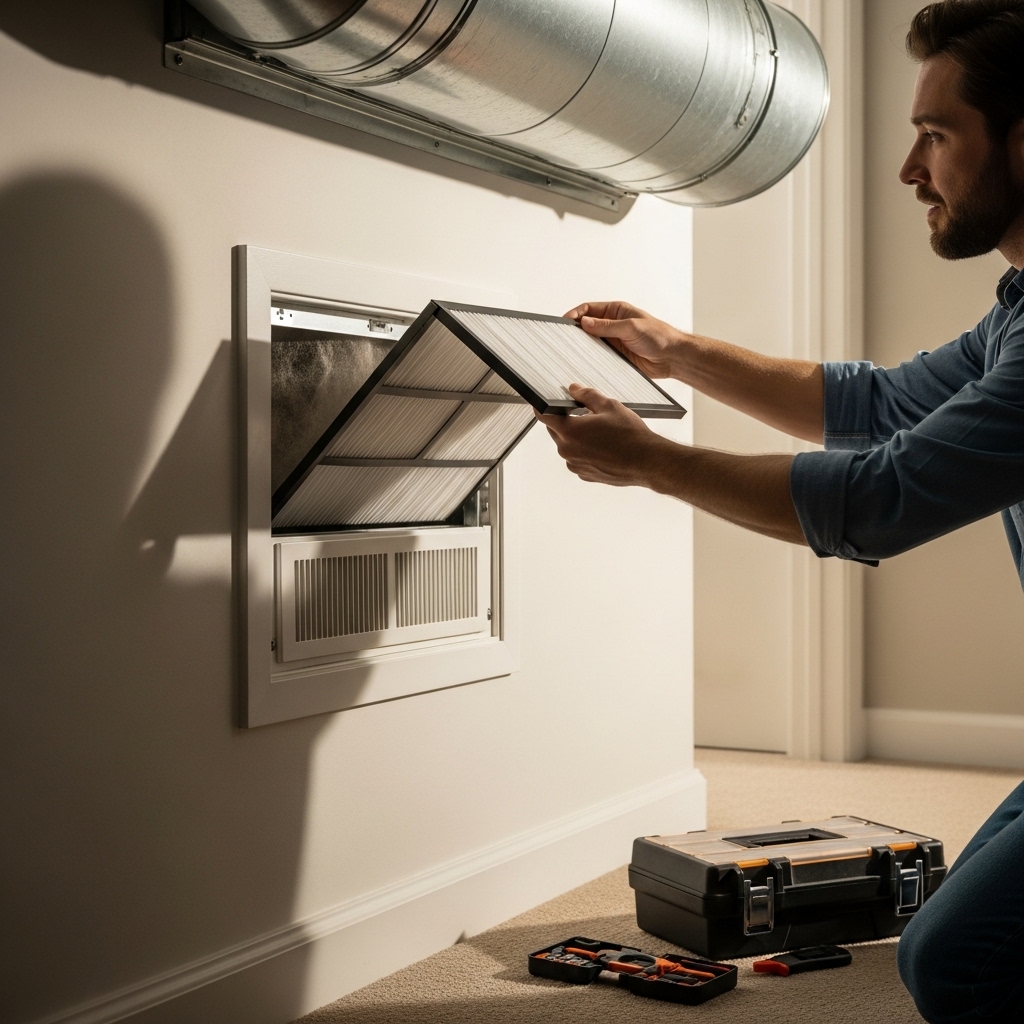
Filters deserve special attention here. During late summer and early fall, wildfire smoke can drift across the Valley, and dust from dry hillside vegetation finds its way into garages and attics. A good filter maintained on schedule protects coils from buildup and keeps indoor air fresher. If you notice a sudden uptick in dust on surfaces, it is time to check for filter bypass, duct leaks, or a filter that is overdue for replacement. A well-sealed return and the right filter size are small details that make a big difference.
Condensate management is another maintenance area that repays attention. On humid days when monsoonal moisture moves in, your evaporator coil pulls water from the air and drains it away. If that drain becomes clogged with algae or debris, you may notice a musty smell, damp insulation around the air handler, or even a water stain. Clearing and treating the condensate line is straightforward, and it prevents damage to drywall, flooring, and wiring near the air handler. In a home where the AC runs for long hours, the volume of condensate can be surprisingly high, especially during late summer evenings when the thermostat holds steady.
Outdoor units in Woodland Hills work under full sun and are often tucked into side yards that collect leaves and dryer lint. Keeping the area around the condenser clear of debris and trimming back vegetation by a couple of feet boosts heat exchange and reduces compressor strain. A clean coil paired with a healthy fan motor makes a noticeable difference when temperatures crest above 100, helping the system shed heat efficiently and maintain target pressures.
Electrical health is a maintenance essential that is easy to overlook. Capacitors, contactors, and connections live hard lives in our heat. A capacitor that tests marginal may still start the compressor today but fail on the hottest afternoon of the year. Getting those parts tested and replaced proactively is the kind of practical repair that pays you back in avoided downtime. The same goes for tightening connections and inspecting wires for insulation wear. The difference between a unit that soldiers on and one that fails at 5 p.m. on a Friday often comes down to these details.
Refrigerant circuit integrity is a more technical area, but its importance cannot be overstated. Small leaks happen, especially in older coils or at service valves. Over time, a slight loss of charge reduces cooling capacity, lengthens cycles, and can cause the evaporator to ice. If you notice diminished performance or frosting on lines, it is time for a professional evaluation. Restoring charge to manufacturer specifications and repairing leaks brings the system back into balance. In Woodland Hills, that balance is what lets a home transition smoothly from blazing hot afternoons to cooler evenings without the AC struggling to catch up.
Thermostat strategy adds another layer of maintenance wisdom. Many local homeowners use smart thermostats to pre-cool in the late morning when the attic and walls are still relatively cool. This anticipatory approach reduces strain later in the day. For the thermostat to deliver those benefits, sensors must read accurately and stages must be configured correctly. If you have ever seen the thermostat say one thing while the room feels another, calibration or sensor placement could be off. A technician can verify these details during a repair-oriented visit and ensure that the thermostat is working with, not against, the equipment.
Ductwork deserves a careful look, especially in homes that have been remodeled. Added rooms, converted garages, or long runs to upstairs bedrooms can create airflow inequities. Over time, duct tape dries, connections loosen, and balancing shifts. Sealing accessible leaks and adjusting dampers to match how you live in the home can transform comfort. This is one of those maintenance actions that feels like a repair because the improvement is immediate and obvious—suddenly the problem room is comfortable again, and the unit does not run endlessly to achieve that outcome.
Do not overlook the role of sunlight and shade. West-facing rooms accumulate heat late in the day, and if landscaping or window treatments change, the thermal load changes too. If you notice your system running longer in late afternoon than last summer, consider whether the heat entering through windows has increased. Repairs that fine-tune airflow and staging can mitigate that added load, while maintenance habits like closing blinds before peak sun also help. In Woodland Hills, combining good habits with targeted equipment care delivers the best results.
Maintenance is about timing as much as it is about tasks. Spring is the ideal moment for a thorough inspection and to catch repairs before the rush. A quick revisit in early fall can be smart too, especially after a summer of heavy use. Technicians who know the Valley look for telltales: a contactor pitted from frequent cycling, insulation on refrigerant lines that has degraded from sun, or a return duct that vibrates under high load. Tending to these issues keeps problems from finding you on the hottest day of the year.
Homeowners sometimes wonder whether investing in repairs for older systems is still worthwhile. The answer, in many cases, is yes. Replacing a handful of worn components, restoring duct integrity, and calibrating controls often adds years of dependable service. That time buys you flexibility—you can evaluate future upgrades on your schedule rather than during an urgent outage. Meanwhile, you enjoy better performance and more predictable comfort in every season.
In practice, the best maintenance plan looks a lot like a partnership. You keep an eye and ear on the system day to day, changing filters and clearing the condenser area. A trusted technician handles the deeper checks—electrical health, refrigerant balance, airflow measurements—and performs repairs that return the system to its intended operation. Together, these efforts let your equipment handle Woodland Hills’ demanding climate with less stress and fewer surprises.
As you think through your home’s needs, it may help to identify your hotspots. Is the main living area open and sunlit in the afternoon? Does the upstairs collect heat at night? Do pets shed near a return register? Fine-tuning the system around those realities, and addressing any underlying faults, is where maintenance becomes personal. The benefits show up in better sleep, more inviting family spaces, and an AC you barely notice because it just works.
One of the most satisfying outcomes of good maintenance is how it changes the feel of your home during transitional moments. When a monsoonal surge brings humidity, a clean, well-repaired evaporator removes moisture effectively so the house stays crisp. When the first Santa Ana winds arrive, sealed returns and tight ducts keep dust outdoors. And when a late-September heat spike pops up, your condenser is ready to shed heat without drama because it has been operating in a healthy range all season.
If you are unsure where to start, an evaluation focused on repair needs is a wise first step. The goal is simple: align equipment performance with the realities of your house and our climate. Whether that means replacing a failing capacitor, correcting a stuck damper, or chasing down a small refrigerant leak, the outcome is more comfort with less effort from the system. That is the kind of maintenance that pays back every time you walk into a cool, calm room on a hot day.
How often should I replace filters in Woodland Hills?
Plan to check monthly during heavy use and replace as needed, especially after smoky days or dust events. The right frequency depends on pets, nearby construction, and how many hours the system runs, but err on the side of fresher filters to protect coils and airflow.
What are the most common repair items before peak summer?
Capacitors, contactors, and fan motors top the list, followed by clearing condensate drains and correcting airflow restrictions. Catching those items early prevents peak-season breakdowns and keeps efficiency high when you need it most.
Why does one room stay warmer than the rest?
It is often a combination of load and airflow. A west-facing room or a bonus room over a garage may need damper adjustments, duct sealing, or return improvements. A repair visit that includes airflow measurements can pinpoint the cause and restore balance.
Can a smart thermostat fix comfort problems by itself?
Smart controls help, but they rely on healthy equipment. If the system has airflow or refrigerant issues, the thermostat will only mask symptoms. Calibrating sensors and verifying staging after repairs ensures the thermostat’s strategies actually work.
Is it okay to hose off my outdoor coil?
A gentle rinse from the inside out can help remove surface debris if the power is off, but avoid bending fins or driving water into electrical components. Deeper cleaning and inspection are best left to a professional during a repair-oriented visit.
When should I call for help instead of waiting?
If you notice ice on lines, repeated breaker trips, burning smells, or dramatically reduced airflow, switch the system off and schedule service. Those symptoms can escalate quickly during extreme heat and are best handled promptly.
Ready for steadier comfort and fewer surprises this summer? Schedule a local evaluation focused on practical HVAC repair and maintenance. With a tuned, reliable system, your Woodland Hills home will feel cool, calm, and comfortable from the first heatwave to the last warm evening.