
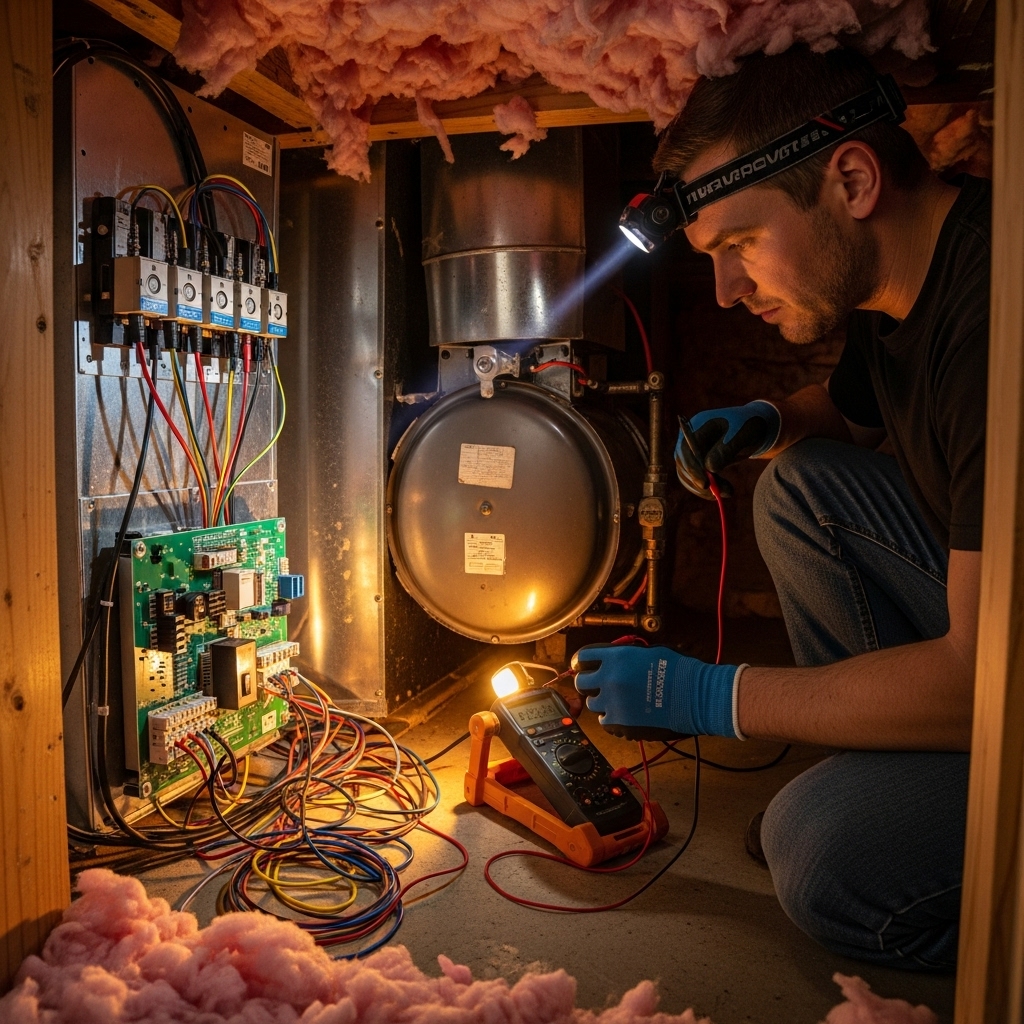
When Your Furnace Quits in Woodland Hills: A Local Pro’s Guide to Swift, Safe Repair
In Woodland Hills, we get used to long, golden afternoons and cool, breezy evenings—not the kind of weather that makes you think about your furnace every day. But when temperatures dip and the house suddenly feels colder than it should, a heater that won’t start or keeps cycling can turn comfort into concern. The key to getting back to normal quickly is understanding how furnaces behave in our local conditions and knowing who to call the moment you notice warning signs. Before you try to troubleshoot too deeply, set yourself up for a confident fix by connecting with experienced local HVAC repair. A seasoned technician familiar with Woodland Hills homes can separate a simple ignition hiccup from a ventilation or safety control issue in minutes, saving time and protecting your family.
While Woodland Hills winters are relatively mild, nighttime lows and damp mornings expose weak links in a furnace system. That’s when an igniter that’s been hanging on all year finally gives out or when a marginal flame sensor needs cleaning. The constant start-stop cycle during cool snaps puts strain on components. Add in dust from autumn winds or attic fibers getting pulled into returns and you’ve got the recipe for a system that struggles just when you need it most. Good, methodical diagnostics make all the difference in getting your heat back on the same day, safely and reliably.
How Furnaces Fail: The Usual Suspects in Our Area
Furnace breakdowns generally trace back to ignition, airflow, electrical controls, or safety systems. Ignition issues commonly involve hot surface igniters that crack with age or spark igniters that lose consistency. If the furnace lights but won’t stay lit, the flame sensor may need attention, or the control board might not be reading feedback correctly. Airflow problems can be surprisingly sneaky; a dirty filter, undersized returns, or a clogged evaporator coil can trip high temperature limits, shutting the system down to protect itself. Electrical issues run the gamut from worn relays to loose connections, and in some cases power irregularities after wind events can stress components. Safety controls—pressure switches, rollout sensors, and limit switches—are designed to shut the system down when they detect a problem. They’re some of the most valuable protectors in your home, and when they trip, the solution is to address the cause, not bypass the safeguard.
Local housing stock matters here. Many Woodland Hills homes have furnaces tucked in attic corners with long return paths and older flex duct runs. If those ducts sag or constrict, airflow drops and the furnace runs hotter than intended. That heat can lead to short cycling or nuisance limit trips. A thorough tech looks beyond the furnace cabinet, measuring static pressure and checking duct connections to make sure the equipment isn’t fighting a losing battle.
Why Local Knowledge Speeds Up the Repair
A pro who routinely works in Woodland Hills knows the rhythms of our homes: attic access that requires careful staging, furnaces sharing space with storage boxes, and return grilles hidden behind furniture because that’s where the room layout works best. These details matter because they influence diagnostics. If a furnace repeatedly trips on limit in late afternoon, a local tech might look at attic temperatures or west-facing rooms that drive longer runtimes. If the problem appears on windy days, attention turns to venting and pressure switch behavior. The faster you pinpoint these patterns, the faster heat returns without guesswork.
It also helps to have strong relationships with nearby distributors. When a control board or inducer motor is the culprit, getting the correct, manufacturer-approved part quickly is half the battle. That’s one reason local teams often deliver faster turnarounds than out-of-area providers who don’t know which counters consistently stock the components your furnace needs.
Safety Above All: Combustion, Venting, and Peace of Mind
Any time a furnace stops unexpectedly, safety checks come first. A trained technician will assess combustion, verify venting is clear and properly sloped, and confirm that carbon monoxide risk is controlled. Woodland Hills homes vary widely in age and renovation history, and changes to roofs, vent terminations, or attic layout can affect how a furnace breathes. Small mistakes during past remodels—say, a vent that was moved and reconnected with the wrong fittings—can cause intermittent problems that only show up in certain conditions. Meticulous testing with the right instruments ensures your repair restores not just warmth, but confidence.
That safety mindset extends to electrical controls. The board that coordinates ignition, blower timing, and safety feedback must respond correctly in real time. Resetting without understanding why a trip occurred can lead to repeat shutdowns. When a technician explains what failed and shows you the readings, it demystifies the process and gives you clear reasons to trust the solution.
Repair or Replace: Making the Call Without Pressure
No one wants to think about big decisions when the house is cold. The good news is that most furnace breakdowns in Woodland Hills can be repaired promptly, especially when the equipment has been maintained and the duct system isn’t imposing excessive stress. When the conversation turns to bigger options, it’s usually because multiple components are showing age at once, or because airflow constraints are causing chronic overheating and shutdowns. In those cases, a thoughtful tech will outline short-term and longer-term pathways so you can choose based on your plans for the home. The right answer isn’t the same for everyone; it depends on how you live, how long you plan to stay, and how your comfort priorities stack up across the seasons.
It’s also worth noting that a well-executed repair today can set the stage for future improvements without locking you into a single trajectory. Address the urgent issue now, then consider targeted duct adjustments, smart thermostat calibration, or return upgrades when it’s convenient. That staged approach respects your timeline and keeps winter evenings warm without upheaval.
What You Can Do Before the Technician Arrives
If your furnace stops, there are a few simple checks that can help streamline the visit. Confirm that the thermostat is calling for heat and that its batteries, if applicable, have life left. Make sure the furnace switch or service switch is on, and glance at the filter to ensure it isn’t heavily clogged. Listen for the sequence of operations: inducer starts, ignition occurs, burners light, blower ramps. Share what you observe with your technician; that narrative helps them hone in on root causes quickly. Avoid digging into the cabinet or attempting to bypass safety controls. Modern furnaces need proper testing tools to diagnose correctly, and improvised fixes can create larger issues.
Clear a path to the furnace and returns, especially if they’re in the attic or a closet. If you have pets, plan for them to be comfortable in a quieter area of the home during the visit. Small steps like these shave minutes off the appointment and help your technician focus on the task.
Mid-Repair Expectations and How Pros Keep You Warm
Most furnace repairs wrap up in a single visit when parts are available. If a specific component needs to be ordered, your tech will likely discuss interim options, like adjusting blower settings or, in dual-fuel systems, leaning on the heat pump temporarily. Around this midpoint, having a dependable partner for HVAC repair keeps communication steady and timelines clear. You’ll know what to expect, why the issue occurred, and how the fix restores normal operation without band-aids.
After completion, ask your technician to walk you through the furnace’s startup sequence and what the readings looked like. When you understand how the system should behave, it’s easier to recognize if something drifts in the future.
Why Furnace Problems Show Up After Wind and Rain
Our local weather swings can reveal hidden vulnerabilities. After windy days, you may see furnaces that struggle with vent pressure because debris or shifting air patterns affect the pressure switch response. After heavy rain, improperly sealed roof penetrations or vent caps can introduce moisture, which affects sensors and corrosion over time. None of this is cause for alarm; it’s simply a reminder that the furnace is part of a larger ecosystem that includes the home and the outdoors. A comprehensive repair approach takes all of that into account, ensuring stability across conditions.
In attics, temperature extremes add stress. During the day, even in winter, attic spaces can warm up, then cool down quickly overnight. That expansion and contraction cycle affects gaskets and joint integrity. Technicians who work these spaces routinely factor that into their inspections and adjustments.
Keeping Your Furnace Reliable Between Service Visits
Once your heat is back, a few habits make a big difference. Change filters on schedule, keep returns clear, and listen for changes in sound. If you notice a new rattle, a delayed ignition, or rooms that feel less even, call before those signs grow into something larger. In Woodland Hills, a proactive check ahead of the coldest weeks can spot a weakening igniter or a borderline pressure switch before it surprises you on a chilly night.
As homes evolve—with new windows, insulation upgrades, or remodeled spaces—airflow needs change too. If you’ve altered the home recently, mention it during service. Balancing updates to the HVAC system with changes to the building envelope helps keep everything running smoothly.
FAQ
Q: My furnace starts and stops within a minute. What does that indicate? A: Short cycling can point to airflow restrictions, limit switch trips, or control board timing issues. A proper diagnostic will identify which factor is driving the behavior.
Q: Why does the furnace seem louder than it used to be? A: Noise can come from blower wear, duct restrictions, or vibration from mounting points in attic installations. A technician can isolate the source and recommend stabilization or component replacement.
Q: The thermostat reads heat, but the house still feels cool. What gives? A: You may have airflow imbalance or temperature stratification, especially in multi-story homes. Verifying duct performance and blower settings often resolves the issue.
Q: Is it safe to keep resetting the furnace? A: Repeated resets without understanding the cause can mask safety trips. It’s better to have a technician test and explain what’s happening.
Q: What parts most commonly fail on older furnaces? A: Igniters, flame sensors, blower capacitors, and control relays are frequent candidates, especially after years of heat cycling and dust exposure.
Q: Can attic furnaces be made more reliable? A: Yes. Proper platforming, good return paths, sealed duct connections, and scheduled checks for sensors and safeties all increase reliability.
Q: How quickly can heat be restored in most cases? A: When parts are available and access is straightforward, many repairs are completed the same day. Complex systems or special-order components may require a follow-up visit.
Q: Do smart thermostats help with furnace reliability? A: They help when properly matched and configured, especially for staging and fan control. The key is ensuring compatibility and correct setup.
When your Woodland Hills home needs heat now, choose a team that treats safety, clarity, and speed as non-negotiables. To get warmth back without drama, schedule expert HVAC repair and feel the difference a local, precision-focused approach makes with every comfortable evening that follows.