
Understanding HVAC Repair in Woodland Hills and the Real-World Factors Behind What You Pay
If you live in Woodland Hills, you know our neighborhood sits in a warm pocket of the San Fernando Valley where summer heat leans heavy and autumn can feel like a second July. When your home comfort is on the line, the topic of HVAC repair naturally turns to what influences the overall investment. While every home and system is different, the patterns behind that final decision are surprisingly consistent. Early in any conversation, it helps to anchor expectations with a reliable resource, and that is where local, professional HVAC repair becomes essential. As a technician who has crawled through attic spaces from El Camino Real to Topanga Canyon Boulevard and everything in between, I can share how Woodland Hills conditions shape repair decisions, and how you can navigate them confidently without surprises.
First, consider the unique climate. Our days can be dry and hot, with Santa Ana winds pushing temperatures higher and dust into places you wish it wouldn’t go. That heat cycle stresses parts, dries out seals, and amplifies minor issues into major ones if not addressed promptly. The result is that timing matters: the sooner you call when performance dips, the more likely your repair remains straightforward. But climate is only one thread in a larger tapestry. The type of system, its age, how well the ducts move air, and how accessible components are in your home all factor into the scope of work. When you understand these elements, conversations with your technician get easier and outcomes more predictable.
System Type, Age, and How They Shape the Repair Path
In Woodland Hills, you’ll find everything from classic split systems in mid-century ranch homes to sophisticated variable-speed systems in newer builds and remodels. System type matters because it dictates the complexity of diagnosis and the time it takes to do the job right. Older systems can be wonderfully reliable but may require extra finesse when sourcing compatible parts or adapting new components to older configurations. Newer equipment, while efficient and quieter, often integrates electronics, sensors, and smart features that add diagnostic steps. The goal isn’t to label one type “better” than another; it’s to understand that each design carries its own maintenance rhythm and repair approach.
Age plays a similar role. A system nearing the end of its typical service life will naturally have more wear on moving parts such as blowers, contactors, and motors, as well as on refrigerant circuit components like coils and valves. That wear shows up in small ways at first: a fan that needs a longer spin-up, air that feels cooler than it measures, or a system that short cycles when the heat spikes in late August. Catching those signs early often simplifies the solution. Wait too long, and you may find a simple fix turning into a multi-component repair because stress compounds across the system.
Parts Availability and Brand Ecosystems
Another subtle but meaningful influence is parts availability. Woodland Hills sits close to major distributors, which usually keeps downtime short. Still, brand ecosystems differ: some manufacturers maintain deep local inventories, while others require special-order components. The difference isn’t just time; it’s coordination. When a technician can source the exact part the same day, the repair workflow is more direct. If parts must be ordered, your technician may recommend temporary measures to keep you comfortable in the interim, such as targeted air balancing or running the system in a limited mode.
On older systems, parts compatibility becomes a strategic conversation. You might see options like replacing an individual relay or upgrading a small bundle of components to match modern specifications. The right choice weighs reliability, home comfort, and future maintenance. A thoughtful technician will present pathways—each with its own pros and cons—so you can choose what aligns with your home plans.
Home Layout, Access, and Installation Considerations
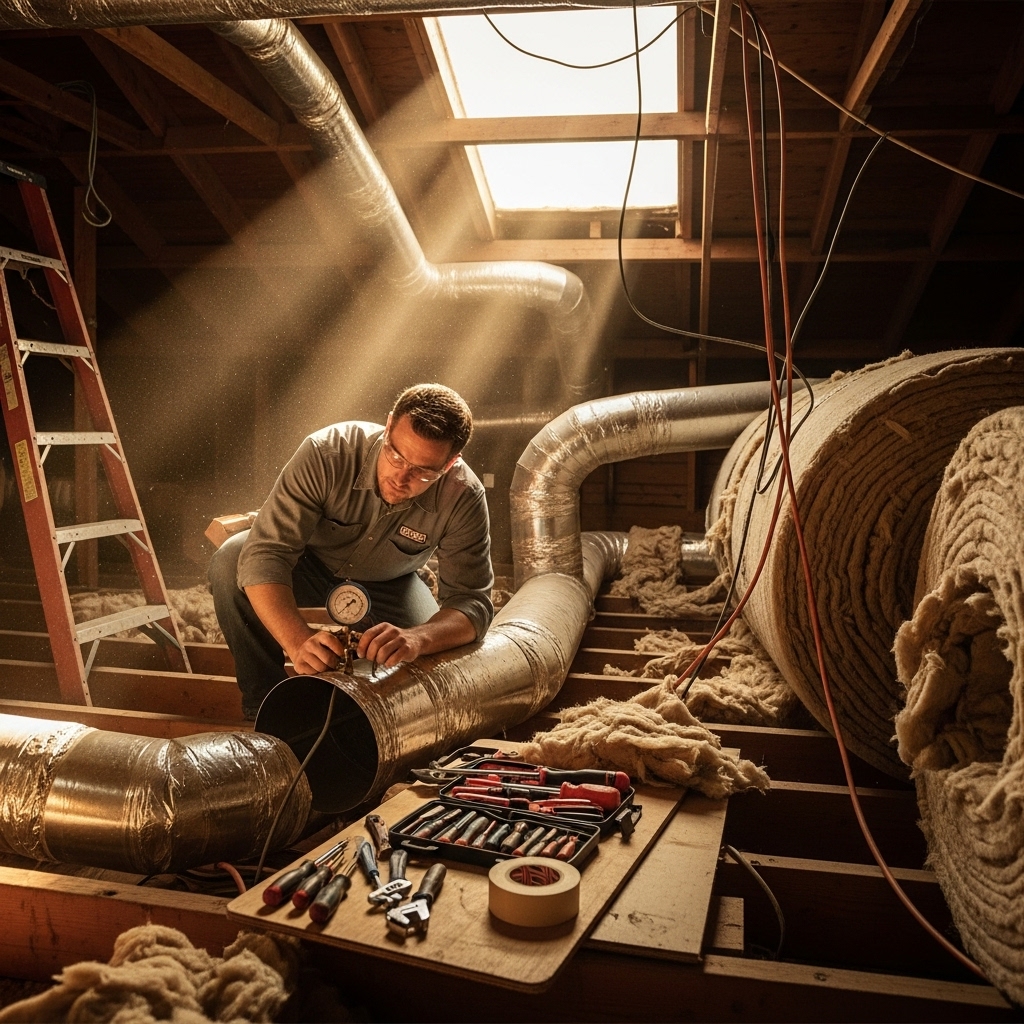
How your home is built influences the scope of any HVAC repair. Many Woodland Hills homes have air handlers tucked in attic corners or crawlspaces that weren’t designed with frequent service in mind. Tight turns, low clearance, and older platforms can lengthen the time required to safely reach and work on components. If ductwork passes through a hot attic, conditions during a summer repair can add complexity, from safeguarding insulation to managing condensation around the work area. These are not “add-ons” so much as realities of doing a thorough job without compromising the rest of your home.
Accessory equipment—air cleaners, humidifiers, UV lights, or zoning controls—also shapes the repair path. When the system includes multiple accessories, diagnostics might involve sequencing through each module to verify they play nicely together. It’s a bit like tuning instruments in a band; one out-of-spec component can throw off the performance of the rest, and sorting that out takes patience and the right test tools.
Seasonal Demand and Why Timing Matters
Woodland Hills experiences distinct repair waves, especially during the first major heat spells and again when the winds whip dust into filters and coils. High demand doesn’t just affect scheduling; it influences how quickly parts can move through local supply channels. Planning ahead—by calling as soon as performance dips, or by scheduling an inspection before peak heat—positions you for a smoother experience. Off-peak timing often equates to quicker turnarounds and more flexibility in choosing the exact day and time that works for your household.
Even within a single day, timing matters. Repairs performed in the cooler morning hours can improve working conditions in attics and roof-adjacent spaces, which sometimes speeds progress. A good local pro will consider heat exposure and safety when setting your appointment, especially during heat advisories that are common in late summer.
Diagnostics: The Art and Science Behind a Sustainable Fix
There is a world of difference between swapping a part and diagnosing a system holistically. True diagnostics blend field measurements—static pressure, superheat, subcooling, voltage drop, combustion analysis—into a story about what the equipment is doing and why. In Woodland Hills, where duct systems can be a patchwork from decades of renovations, test data helps isolate the root cause. For instance, a noisy blower could point to more than a motor problem; it might reflect high static pressure from undersized returns or a clogged evaporator coil after a dust-heavy Santa Ana event.
Holistic diagnostics protect you from the “whack-a-mole” experience where one fix leads to another issue weeks later. They also spark constructive conversations about whether to make a surgical repair or to address a cluster of related items in one visit. The right answer depends on your comfort priorities, your home plans, and how your system has been performing across the seasons.
Energy Efficiency and Long-Term Value
Repair choices ripple into monthly utility usage, especially during Woodland Hills summers when air conditioners run long hours. A tuned, correctly charged system with clean coils and proper airflow can make your home feel cooler at the same thermostat setting, which eases runtime. Seemingly small improvements—replacing a worn contactor, adjusting refrigerant charge to manufacturer specs, sealing accessible return leaks—can add up. If your system has struggled during late-afternoon heat, your technician may recommend airflow improvements that help distribute cool air to rooms that chronically lag behind, especially in second-story additions that face west.
There’s also the balance between immediate restoration of comfort and future-proofing against recurring issues. For households planning to stay in their home, repairs that increase reliability and efficiency often return value across multiple summers. For those considering a move or a remodel, a well-documented repair with measurement data can support home inspections and buyer confidence, protecting you from last-minute headaches.
Local Codes, Safety, and the Woodland Hills Context
Permitting, code updates, and safety protocols aren’t just for new installations. They influence repair approaches too. From proper electrical disconnects to refrigerant handling and condensate safety, a reputable technician will follow current standards to protect your home and family. In our area, where wildfire risk and high winds occasionally coincide, outdoor unit anchoring, clearances, and debris management matter. Even simple items like ensuring the condenser sits level and drains properly can prevent longer-term issues, particularly after heavy winter rains.
Safety extends indoors. For systems with gas heating components, technicians will verify venting, check for proper combustion, and ensure carbon monoxide risk is managed. Though Woodland Hills winters are mild, cold snaps can increase heater runtime, making those checks more than just a formality.
When a Repair Leads to a Bigger Decision
Sometimes the diagnostic results indicate that one repair would only mask deeper issues for a short while. That’s when your technician should clearly lay out options. In those conversations, you’ll talk about reliability, comfort, and the realistic expectations for older equipment during a Valley heat wave. While no one likes to consider major decisions unexpectedly, a transparent assessment keeps you in control. If it’s sensible to repair, you’ll know why and for how long you can reasonably expect that fix to hold. If a broader solution makes more sense, you’ll understand the trade-offs and how they apply to Woodland Hills homes like yours.
Many homeowners appreciate phased strategies. Address the urgent issue now, then schedule secondary improvements off-peak. This phased approach maintains comfort while aligning work with your calendar. In the middle of busy seasons, a steady hand and a practical plan are worth their weight in peace of mind.
Communication, Documentation, and Setting Expectations
One hallmark of a good local pro is clear communication. Expect a simple explanation of findings, photos or data from the diagnostic process, and a straightforward plan to restore comfort. Documentation matters later when you want to track system performance or explain work to a prospective buyer. In our area, where remodels are common and HVAC equipment evolves quickly, having that record helps future technicians understand what’s been done, preventing duplicated work and guesswork.
In the midst of a long, hot stretch, it can be tempting to push a system just to get by. If your technician advises a temporary operating mode while waiting on parts, it’s to protect the equipment from further stress. Following that guidance often avoids secondary problems, which are frustrating and avoidable.
Mid-Project Realities and How Pros Keep You Comfortable
Not every repair finishes in a single visit, especially when parts must be ordered or when attic work needs cooler conditions. In those cases, good technicians think like homeowners: they look for short-term comfort adjustments, offer planning tips, and give realistic time windows. Around the midpoint of a repair journey, a reliable local resource for HVAC repair makes all the difference, ensuring continuity and accountability. You aren’t just getting a part replaced; you’re partnering with a team that understands the rhythms of a Woodland Hills summer and the demands that places on your system.
While waiting on a part, you can support the process by keeping filters clean, clearing debris around outdoor units, and resisting the urge to drop the thermostat dramatically. Small steps reduce strain and help the system run as smoothly as possible until final adjustments are completed.
Preparing Your Home for a Smooth Repair Visit
A little preparation goes a long way. Make sure there’s a clear path to the equipment, which might involve moving storage boxes from attic doors or shifting items away from return grilles. If you have pets, plan for their comfort and safety during the visit, especially if doors will be opening frequently. Share any recent changes you’ve noticed—unusual sounds, hot or cold spots, humidity swings, or water near the indoor unit. These observations can point your technician toward the issue faster than any instrument.
Also, jot down when filters were last changed and whether you’ve noticed differences during specific times of day. If your upstairs rooms lag in the late afternoon, or if the system behaves differently on windy days, those clues help map the system’s response to local conditions.
Looking Ahead: Keeping Your System in Peak Form
After the repair, think about how to prevent surprises. In Woodland Hills, that often means planning service ahead of the first heat wave, before demand spikes. An inspection at that time can catch airflow restrictions, electrical wear, or refrigerant charge issues while they’re still minor. It’s not about doing more for the sake of it; it’s about timing work to your advantage in a climate that tests equipment in predictable cycles.
Finally, remember that comfort is personal. Two homes on the same street can feel completely different based on insulation, window exposure, and lifestyle. A tuned and well-understood HVAC system respects those differences. When you collaborate with a technician who knows local homes, the results feel tailored rather than generic.
FAQ
Q: Why do HVAC repairs in Woodland Hills often feel urgent during certain months? A: The first major heat waves and Santa Ana wind events push systems hard, revealing weaknesses that might go unnoticed in milder weather. Demand spikes quickly, which can compress schedules.
Q: How can I tell if my issue is airflow-related? A: Common signs include uneven room temperatures, a whistling return, or a system that runs long without delivering the expected comfort, especially during late-afternoon heat.
Q: Will older ductwork affect my repair? A: It can. Leaky or undersized ducts increase stress on motors and reduce cooling performance. Your technician may recommend targeted duct improvements to support the repair.
Q: How important is brand in determining the repair outcome? A: Brand affects parts availability and control design, but skilled diagnostics and proper installation practices are usually more important than the nameplate.
Q: What if my system needs multiple components? A: Your technician should explain options, including a phased approach that restores core function first, followed by secondary improvements at a time that works for you.
Q: Can refrigerant type influence the repair strategy? A: Yes. Different refrigerants have specific handling requirements and availability considerations, which can shape the approach your technician recommends.
Q: Is it normal for repairs to require attic work in Woodland Hills? A: Very common. Many air handlers and ducts live in attics. Scheduling cooler morning hours can make that work safer and more efficient.
Q: How do I reduce the chance of repeat issues after a repair? A: Ask for documentation, follow filter and airflow guidance, and plan a seasonal check before peak heat. Small steps often prevent larger problems.
When you’re ready to restore comfort and protect your home from the next heat wave, reach out to a trusted local team that knows Woodland Hills inside and out. For fast, professional service that treats your home like it’s their own, schedule expert HVAC repair today. Your future self—cool, relaxed, and breathing easy—will thank you.