
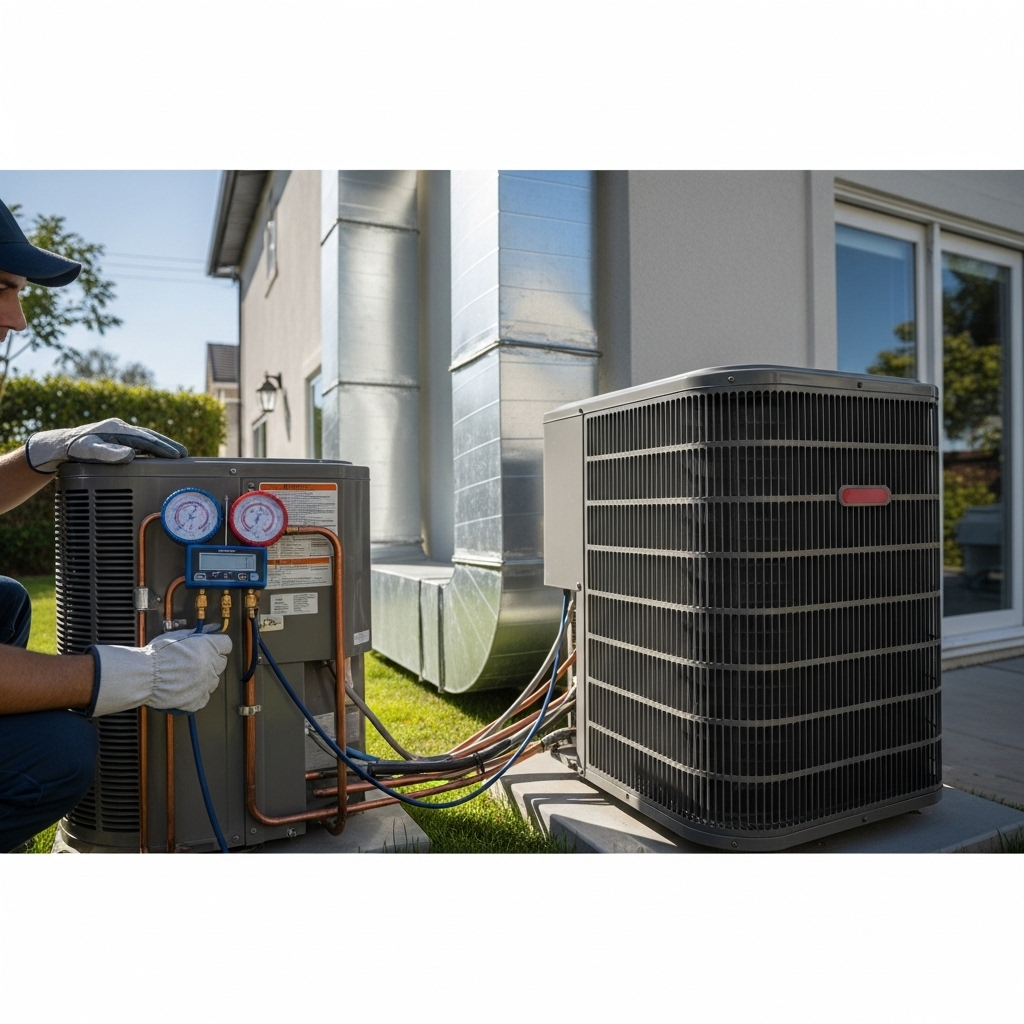
If you have spent a summer in Woodland Hills, you know the heat is not shy. The afternoon sun stacks up over the San Fernando Valley, the asphalt holds onto every ray, and indoor comfort becomes more than a luxury; it is a lifeline. That is why homeowners and business owners here learn quickly that waiting on air conditioning issues only makes the season longer and the bills higher. The story of how timely service turns into savings is not just about a machine; it is about stress, health, and protecting the investment you have already made in your home. When neighbors ask where to begin, I tell them that being proactive with AC repair is one of the most effective money-saving habits you can build in this climate.
Walk any block near Ventura Boulevard or the neighborhoods tucked toward the foothills, and you will hear compressors humming from late morning into the evening. The systems that get attention early in the season run smoother, maintain stable temperatures, and use less energy. If you have ever felt a room never quite cools down despite the system running harder, you have experienced the kind of silent waste that turns utility bills into a surprise. A small refrigerant leak, a tired capacitor, or a slightly loose electrical connection can sap efficiency for weeks before a full breakdown forces your hand.
Timeliness is about preventing those sneaky losses. The difference between a tune-up that catches a weak start capacitor and a mid-July service call when the fan motor fails is not only comfort; it is the ripple effect across the entire system. When parts work out of balance, other components carry the load. That is how compressors get stressed, and that is the most expensive part of any condensing unit to replace. Acting before strain accumulates is not trendiness; it is the basic math of longevity.
Understanding the Woodland Hills Heat Load
In Woodland Hills, microclimates are real. Homes closer to the canyons enjoy evening breezes, while those on flatter stretches experience radiant heat building across rooftops and driveways. Attic temperatures soar, and ductwork in those spaces endures extra punishment. The hotter the attic, the hotter the air surrounding your supply lines, and the harder your AC has to work to push cool air through. Timely repairs often start with airflow: proper blower speed, clean evaporator coils, and ducts that are sealed and insulated. Each element decreases the time your system has to run to achieve the same comfort.
It is easy to underestimate the compounding effect of small inefficiencies during a Woodland Hills heat wave. When your unit is underserviced or slightly off spec, it runs longer cycles. Longer cycles create more heat in the electrical components and more condensation in drain lines, which increases the likelihood of clogs and float switch trips. Clean coils and proper refrigerant charge mean your system moves heat out of the house quickly and rests more often. Those rests extend the life of motors and contactors and translate directly into lower energy usage throughout the summer.
Small Problems Become Big Expenses When Ignored
Most people think of air conditioning failure as a dramatic event—a dead unit on the hottest Saturday of the year. In reality, the expensive failure usually starts months earlier with a blinking thermostat or an occasional clicking sound at startup. A weak run capacitor lets the compressor struggle; a pitted contactor makes the motor draw more current; a dirty evaporator coil freezes and thaws, leaving moisture where it should not be. Each of these symptoms can be corrected affordably if caught quickly, but together they shorten equipment life and force bigger decisions sooner than necessary.
Timely repair is like routine car service for your HVAC system. If you keep your vehicle’s oil clean and your tires properly inflated, you do not just avoid breakdowns—you get better mileage, too. Air conditioners are the same. Replace a failing fan motor before it seizes, and you protect your compressor. Clear a drain line before it backs up, and you avoid ceiling damage or a wet closet. These are the kinds of practical savings that do not feel dramatic, but you notice them when your equipment crosses the ten-year mark without a major crisis.
Energy Efficiency and the Monthly Bill
Energy efficiency is often talked about in abstract terms, but in Woodland Hills it feels concrete. On a 100-degree day, every minute your system runs inefficiently shows up in the meter. Once your evaporator coil is clean and your refrigerant is charged correctly, your system removes heat more effectively, and the thermostat satisfies quicker. That means shorter run times and fewer late-night cycles when the attic is still radiating heat down into living spaces. Properly sized and serviced equipment also avoids short cycling, which burns energy without delivering meaningful comfort.
The beauty of timely servicing is that it helps the system reach its designed performance. When static pressure through your ductwork is balanced, and return air pathways are clear, the blower does not struggle. When the condenser coil outside is free of dust and foliage, the fan can exchange heat with the outside air efficiently. And when the thermostat is calibrated, the system does not overcool to compensate for a misreading sensor. Midseason checkups catch the little drifts from peak performance and pull you back on track. That is why I recommend scheduling your mid-summer once-over rather than waiting for something to fail; it preserves comfort and pocketbook alike, particularly when paired with mid-season AC repair addressing minor performance issues before they snowball.
Comfort, Health, and Peace of Mind
There is also a hidden economy in comfort. When your home stays at a steady, comfortable temperature, everyone sleeps better, works better, and stays healthier. Woodland Hills evenings can cool off, but daytime hours strain the body. If your air conditioner is cycling properly and managing humidity, you will notice fewer headaches and less fatigue. Children and seniors in particular benefit from stable indoor environments. Keeping your filter clean and your system tuned also helps with indoor air quality—especially during late summer when wildfire smoke can be a factor in the region.
A system under strain does odd things to air quality. Evaporator coils that freeze and thaw can harbor moisture, which encourages microbial growth. Poor airflow pulls dust from spaces around return grills that were never intended to be part of the breathing zone. Timely repair means catching these conditions before they affect your family’s lungs. It is not just comfort you preserve; it is the basic healthfulness of your living space.
Protecting Your Investment and Extending Equipment Life
HVAC systems are significant investments in any Woodland Hills home. Compressors, evaporator coils, and air handlers are built to last, but they last longer when everything is clean and the electrical components are within specification. Every season you avoid overheating, over-amping, or refrigerant starvation is a season you push major repairs further into the future. This is the quiet payoff of attention to detail, and it is why experienced homeowners are careful about service intervals, especially before and after the punishing heat stretches.
Think of the compressor as the heart of the system. When the contactor closes smoothly, the capacitor is strong, and the coil is clean, that heart does not strain. That is how people squeeze 15 years or more from reliable equipment even in a place known for triple-digit streaks. In contrast, a system that fights bad airflow and dirty coils will run hot, rattling every bolt and drying out every rubber grommet along the way. Time moves faster for neglected equipment.
Seasonal Strategy for the Valley
Once you see how the seasons work here, a pattern emerges. Late spring is prep time: clean the coils, clear the drains, replace the filter, and check electrical components. Mid-summer is survival mode: keep an eye on performance, investigate unusual noises or new hot spots in the house, and do not ignore a whiff of burning dust or a thermostat that takes too long to respond. Early fall is recovery: evaluate how the system did, fix what wore down, and get ready for Santa Ana winds that carry dust and debris into outdoor units. If your household uses a heat pump for winter heating, those same fall repairs ensure your winter comfort as well.
In Woodland Hills, attics can turn into ovens, which is why duct condition matters so much. If you have not had your ducts evaluated, consider it. Leaky ductwork can lose a surprising percentage of your cooled air, especially at joints and boots. That is extra runtime and extra wear—but it is also extra heat in attics that are already hot. Sealed and insulated ducts keep your equipment from fighting the house itself. While this is not a glamorous repair, it is the kind of one-time improvement that pays you back every single day of summer.
Smart Controls and Thermostat Discipline
Timely repair does not stand alone; it pairs naturally with smart control. Calibrating or upgrading your thermostat so that it correctly reads the temperature and follows reasonable schedules can reduce runtime while improving comfort. Woodland Hills homes with good zoning or well-placed returns often feel cooler even at a slightly higher setpoint because the air moves properly. If you work from home or have variable schedules, using the thermostat’s features to manage cooling across the day treats your system fairly. Every hour that you avoid unnecessary cycling is an hour you do not add wear.
When a technician addresses even small issues—like a blower wheel with a film of dust or a vibration from a loose panel—you eliminate those inefficiencies that a thermostat cannot see. The thermostat reads the room; the equipment’s real condition hides in the closet, attic, or side yard. That is why seasoned techs carry instruments for superheat, subcooling, and static pressure; numbers tell the truth about how close your system is to ideal. Acting on those numbers quickly keeps your system in a low-stress state where it uses less electricity and lasts longer.
When Timeliness Becomes Urgency
There are moments when waiting even a day can be the difference between a small fix and a major repair. If you hear grinding at the outdoor unit, notice ice forming on the refrigerant lines, or see water in the drain pan under your air handler, it is time to act. Ice means airflow or refrigerant problems; water means drainage issues; grinding suggests failing bearings or a damaged fan. Each of these conditions threatens other components if allowed to continue. Catching them early typically means a cleaner fix and less collateral damage.
Electrical smells or repeated tripped breakers are also early warnings. Motors that draw too much current overheat windings; wires under strain get hot; connections arc. A technician can test the exact draw and pinpoint the weak component. This is the kind of precision that saves both equipment and money. You do not have to know every detail about your system, but you do need to listen to it. If it starts talking, a timely response pays off.
Real-World Woodland Hills Examples
On a block near Shoup Avenue, a homeowner called because the system was running non-stop and the house barely cooled. The issue turned out to be a clogged evaporator coil and a return grill too small for the system’s airflow needs. Cleaning the coil and adding a larger return brought the static pressure into range. The result? Shorter cycles, quieter operation, and a home that finally matched the setpoint in the hottest hours. The family noticed not only better comfort, but also that the system turned off more often. That is money staying in their pocket every hour of every day.
In another case closer to the 101, a two-story home suffered from uneven cooling. The upstairs thermostat was satisfied, but the downstairs lagged. The culprit was leaky supply ducts and a weak blower capacitor. Timely repair sealed the leaks and replaced the capacitor, restoring the designed airflow. With balanced air movement, both floors cooled evenly, and the homeowner stopped bumping the thermostat down to compensate. Those two fixes alone made a measurable difference during the next heat wave.
FAQs: Timely AC Repair and Savings
How quickly should I address weak airflow or unusual noises?
In Woodland Hills, address them immediately. Weak airflow often signals a clogged filter, dirty coil, or duct issue. Unusual noises can indicate failing bearings, loose panels, or electrical components about to fail. Acting within days—rather than weeks—prevents additional strain on the compressor and blower and typically limits the scope of the repair.
Can timely AC repair really lower my energy usage?
Yes. Correcting refrigerant charge, cleaning coils, and restoring proper airflow all reduce runtime. When your system reaches the setpoint efficiently, it cycles off more often, and that shows up directly on your energy usage. In a climate with long, hot afternoons, those saved minutes add up quickly across the season.
What are the most common small issues that become big repairs?
Weak capacitors, pitted contactors, dirty evaporator coils, restricted condensate drains, and leaky ducts are at the top of the list. Left alone, any one of these can trigger secondary failures—like a seized fan motor or compressor overheating—which are more disruptive and costly to resolve.
Is there a best time of year for service in Woodland Hills?
Late spring is ideal for preventive service, with a mid-summer check if your system runs hard. Early fall is a smart time to correct anything that wore down during the season and to prepare for winter usage if you have a heat pump. This schedule keeps your system efficient when it matters most.
How does ductwork factor into timely savings?
Ducts that leak or are under-insulated waste cooled air into hot attics, extend runtime, and create uncomfortable rooms. Catching duct issues early, sealing joints, and adding insulation where needed can restore system performance and stabilize indoor temperatures, lowering the workload on your equipment.
What signs suggest an urgent service call?
Ice on refrigerant lines, water in the secondary drain pan, burning smells, repeated breaker trips, or a fan that does not start are urgent. These symptoms are often tied to conditions that can damage other components if not addressed promptly.
Do smart thermostats help if my system needs repair?
Smart thermostats can schedule and manage temperature more precisely, but they cannot fix underlying mechanical issues. Pairing good controls with timely repair is the winning combination. The thermostat optimizes when the system runs; the repairs ensure it runs efficiently and safely when it does.
Will timely repairs extend my system’s life?
Absolutely. Reducing heat and electrical stress on components prevents early failures. Catching problems while they are small keeps the compressor and blower—the most critical parts—operating within design limits, which is the key to long service life in a demanding climate.
When the Valley heat makes your home work for every degree of comfort, remember that small steps taken on time deliver the outsized results you feel in every room. If you have noticed changes in sound, airflow, or runtime, do not wait for the peak of a heat wave to seek help. Midseason attention and prompt fixes are how you keep summer easy on your system and your nerves. If you are ready to get ahead of the weather, schedule local AC repair and give your home the smooth, efficient cooling it deserves.