
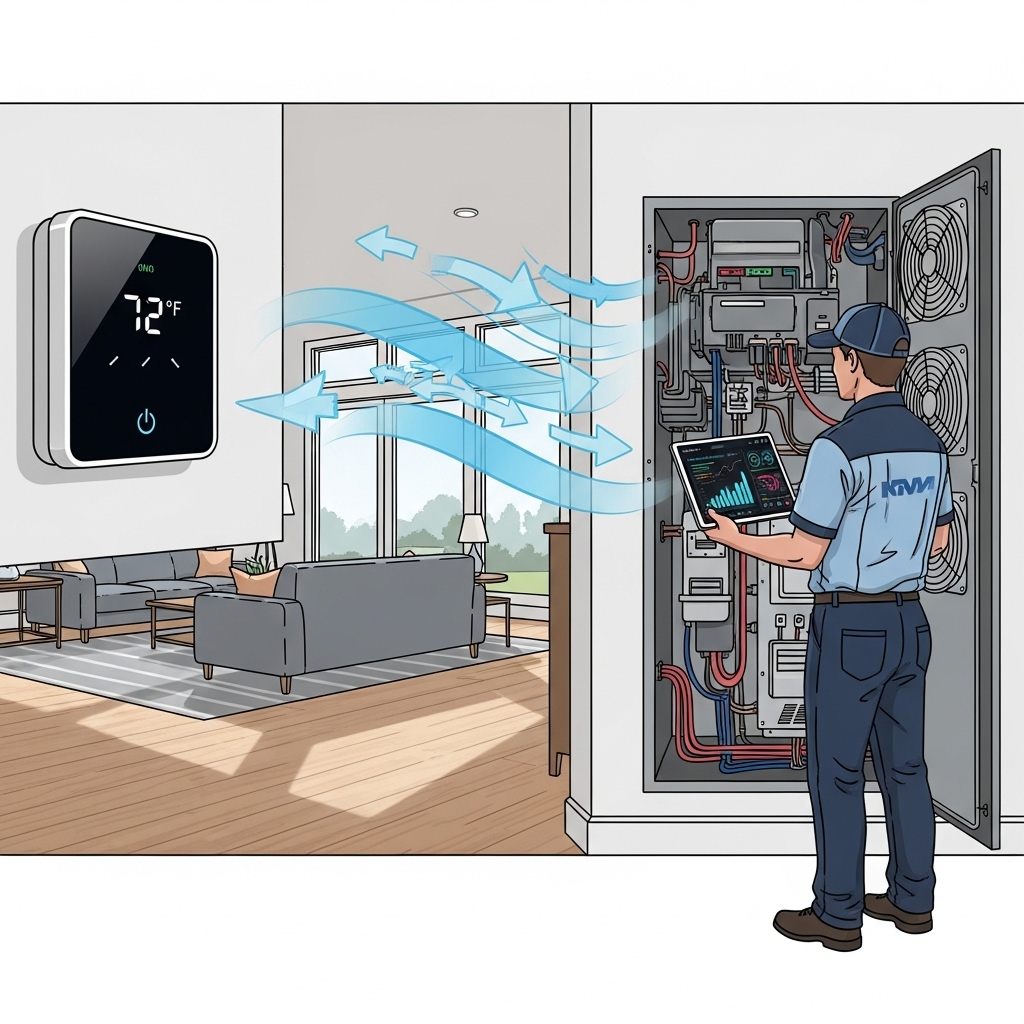
Summers in Woodland Hills do not tiptoe in. They arrive with brightness, linger through the evening, and test the endurance of every air conditioning system in the neighborhood. Over the past few years, I have watched repair practices and technologies evolve to meet this challenge, and the pace of change is accelerating. What used to be a straightforward checklist has become a smarter, data-driven approach that keeps comfort steady while protecting equipment from the rigors of Valley heat. If you want to stay ahead of the curve, it helps to understand the emerging trends in service and how they affect the way we plan, maintain, and repair our cooling systems. And if you prefer to act rather than react, the best starting point is timely, professional AC repair that incorporates these advances into real-world solutions.
The story of modern AC service is a story about precision. The systems haven’t changed their mission—move heat out of the home—but the tools and methods for doing that job have matured. Today’s technicians don’t stop at “cold air is coming out.” They measure, log, and verify performance under realistic conditions, aiming to keep equipment within a narrow operating window where efficiency and reliability go hand in hand. For homeowners and business owners in Woodland Hills, that means more consistent comfort during heat waves and fewer surprises when the power bill arrives.
These trends also recognize the realities of our local microclimate. We deal with extended hot spells, attic temperatures that would make most electronics wince, and periods of dusty wind that find their way into outdoor units and return paths. New repair approaches address these stresses head-on, with solutions that improve airflow, protect sensitive electronics, and make maintenance more predictable.
Data-Driven Diagnostics and Remote Insights
One of the biggest shifts is the use of digital gauges, sensors, and sometimes temporary data loggers that track pressures, temperatures, and runtime patterns. Rather than a single snapshot reading, techs can now capture performance over a full cooling cycle or across a day. That matters because Woodland Hills homes often face peak loads in late afternoon, long after the morning service call. Logging helps identify short cycling caused by duct restrictions, verify that superheat and subcooling are correct under real load, and spot condensate problems before they overflow during the evening rush of humidity removal.
Some service providers integrate diagnostic modules that communicate with mobile devices, allowing a tech to compare your system’s numbers to factory targets in real time. The practical benefit is faster, more accurate problem-solving. If the expansion device is sticking, the data shows it. If the compressor is overheating after 20 minutes, you see it. These readings turn hunches into evidence, which leads to clean repairs and stable performance when it counts most.
Variable-Speed and Inverter Systems in the Spotlight
Woodland Hills homes increasingly use variable-speed air handlers and inverter-driven compressors. These systems modulate output to match the load, which smooths comfort and reduces cycling. When they need repair, the process shifts from simple part swapping to nuanced calibration. Techs interpret fault codes, check communication between control boards, and verify that sensors reflect reality. A misread coil temperature can send the system into protective mode; a mismatched airflow setting can undermine the variable-speed benefits.
Repair practices are catching up. Expect technicians to use more manufacturer-specific tools, update firmware when needed, and fine-tune static pressure targets so that airflow aligns with the equipment’s modulation range. In Woodland Hills, variable systems shine because they can throttle down during milder mornings and ramp up gracefully during late-afternoon heat—assuming they are repaired and set up with care.
Airflow First: Duct Upgrades and Sealing as Repair
An emerging mindset treats duct corrections as integral to repair, not an optional add-on. In a Valley home with a hot attic, every leak and restriction steals capacity. Newer sealing methods, better mastic products, and attention to return air pathways are now standard in thoughtful service. It is not unusual to see a repair ticket that replaces a failing blower capacitor and also calls for sealing the return plenum or adding a dedicated return in a stagnant room. The result is lower static pressure, better temperature split, and quieter operation.
We are also seeing more use of diagnostic airflow tools—like true flow plates or calibrated fan methods—to dial in blower settings. These measurements aren’t just academic. They let a technician pick the fan speed that delivers design airflow without excessive noise or wasted energy. In Woodland Hills, dialing in airflow while the outdoor temperature is high reveals whether the system will hold up during the next heat wave.
Cleaner Coils, Smarter Maintenance
Coil cleaning has always been part of maintenance, but the emphasis is stronger now, with better techniques and safer chemistries. Outdoor condenser coils collect dust, pollen, and the grit of summer winds; indoor coils trap whatever slips past the filter. Modern practice favors thorough but gentle cleaning that preserves the coil’s delicate fins while restoring heat transfer. Pair that with better filter cabinets and properly fitted filters, and you reduce the tendency for coils to re-soil quickly.
Technicians also pay more attention to drain systems. Secondary drain pans, float switches, and trap designs are inspected with the understanding that summer cooling creates real volumes of condensate. In Woodland Hills, where systems may run long hours day after day, a minor drain restriction can become a surprise leak. Emerging best practice is to treat the drain like any other performance component—measured and cleaned, not just glanced at.
Smart Thermostats and Load Management
Smart controls are no longer gadgets; they are tools that, when configured by professionals, reduce needless runtime and protect equipment. The trend is to set schedules that match the home’s reality rather than guesswork. For example, Woodland Hills residents who leave in the morning and return late afternoon benefit from staged cooling plans that pre-cool steadily rather than forcing a panicked, compressor-punishing sprint at 5 p.m. Geofencing and occupancy sensors can help, but the real magic is in the setup: choosing reasonable setpoints, fan modes, and staging rules that play nicely with your ductwork and equipment.
Pros now frequently calibrate thermostat sensors, relocate poorly placed units, and verify that thermostat logic matches the system’s capabilities. If you own a variable-capacity system, the thermostat must understand how to command and interpret it. That pairing is a subtle but important part of modern repair.
Refrigerant Realities and Better Charging Practices
As equipment designs evolve and refrigerant standards shift, charging practices have become more exacting. It is increasingly common to weigh in refrigerant, monitor superheat and subcooling under defined conditions, and verify charge against manufacturer charts. In a hot climate, ambient temperature complicates charging; accurate tools and patient methods matter. Emerging practice also includes leak detection methods that are both sensitive and minimally invasive, identifying slow leaks early before they erode efficiency and stress the compressor.
For Woodland Hills homes, where long run hours magnify the effects of an undercharge or overcharge, this precision directly affects reliability. The trend is away from “feels cold” and toward documented performance metrics that you can reference during future visits. That record is valuable, especially if different techs service your system over time.
Noise and Vibration Control as Part of Repair
Another trend is giving noise and vibration the attention they deserve. A condenser that rattles on uneven pads or an air handler panel that hums can signal more than annoyance. These vibrations loosen connections, fatigue metal, and prematurely age components. Technicians increasingly treat leveling, isolation pads, and secure mounting as part of repair, not window dressing. In two-story Woodland Hills homes, addressing return noise with better sealing, appropriate filter racks, and corrected airflow has become a hallmark of quality service.
Once addressed, the entire system feels more refined. The absence of vibration means fewer callbacks and a longer interval between repairs. In a climate where the system runs much of the day for months, these small improvements make a large difference in perceived and actual performance.
Integration with Whole-Home Performance
Repairers are thinking more broadly, integrating AC service with whole-home performance. That includes checking attic insulation levels, looking for obvious air leaks around doors and can lights, and advising on shading or window treatments that reduce load. These are not upsells for their own sake; they are practical ways to cut the amount of work your AC must do to keep you comfortable. The less heat your home gains, the more gently your equipment can run—especially during the fiercest heat.
Some techs coordinate with electricians to ensure dedicated circuits are clean and voltage is stable, reducing nuisance trips and protecting sensitive control boards. Others note opportunities for return air enhancements or simple zoning strategies that improve upstairs/downstairs balance. These cross-discipline touches are becoming standard in high-quality service.
Resilience Planning and Preventive Repair
In recent summers, Woodland Hills has seen heat paired with wind and occasional power interruptions. A growing trend in repair is resilience planning—anticipating weak points and addressing them before they become failures. That might mean replacing an aging contactor that still works but shows pitting, swapping a marginal capacitor before the next heat wave, or installing a secondary float switch in a vulnerable attic air handler. These are small, targeted repairs that reduce the chances of a disruptive emergency call.
Technicians are also recommending mid-season performance checks. The idea is simple: after the first long run hours, return to measure pressures, temperatures, and electrical readings under real stress. This approach has prevented countless evening breakdowns and kept families cool during the toughest weeks.
Indoor Air Quality Enhancements Linked to Repair
Finally, repair and indoor air quality are converging. A system that is clean, well-sealed, and moving air at the right speed filters better. Upgraded filter cabinets that hold media tightly prevent bypass; well-sealed returns stop dusty attic air from entering the system. During wildfire season, a tuned system reduces the contaminants that make their way indoors. These improvements often happen alongside more obvious repairs, because techs understand that airflow and filtration are two sides of the same coin.
It is remarkable how much quieter and calmer a home feels after airflow is balanced and the system is tuned. Doors close without whistling, rooms stabilize within a few minutes of startup, and you stop thinking about the thermostat altogether. That is the mark of a repair strategy that respects both the equipment and the building it serves.
FAQs: Emerging Trends and What They Mean for You
Are variable-speed systems harder to repair?
They require more precise diagnostics and familiarity with manufacturer controls, but when serviced correctly, they reward you with smoother comfort and lower energy use. Proper setup and calibration are the keys to reliable operation.
How do data loggers or digital tools help me?
They capture performance under real conditions, revealing issues like short cycling, overheating, or improper charge that might not show up during a brief visit. The result is targeted repairs that solve root causes.
Do duct repairs really count as “AC repair”?
Yes. Airflow is the lifeblood of your system. Sealing and right-sizing returns, repairing leaks, and setting blower speed correctly are essential parts of the repair process, especially in hot attics common to Woodland Hills.
Will smart thermostats fix inefficiency on their own?
Smart controls help, but they rely on a healthy system. Pairing a well-configured thermostat with tuned equipment is what delivers steady comfort and smoother runtime during our long, hot afternoons.
Is mid-season service worth it?
In this climate, yes. After weeks of heavy use, small weaknesses surface. A mid-season check catches them before they cascade into breakdowns, preserving comfort during peak heat.
How can I make my system more resilient?
Work with a technician to identify marginal components, add safeguards like float switches, and ensure airflow is robust. Small preventive repairs reduce emergency calls and keep your home comfortable when conditions get tough.
Staying comfortable through a Woodland Hills summer is part planning, part craftsmanship, and part responsiveness. The repair trends taking hold right now make all three easier. If you want your system ready for the next heat wave, start with a service approach that measures, verifies, and tunes. Schedule thoughtful AC repair and bring the latest best practices to your doorstep so your home stays cool, calm, and quietly efficient all season long.