
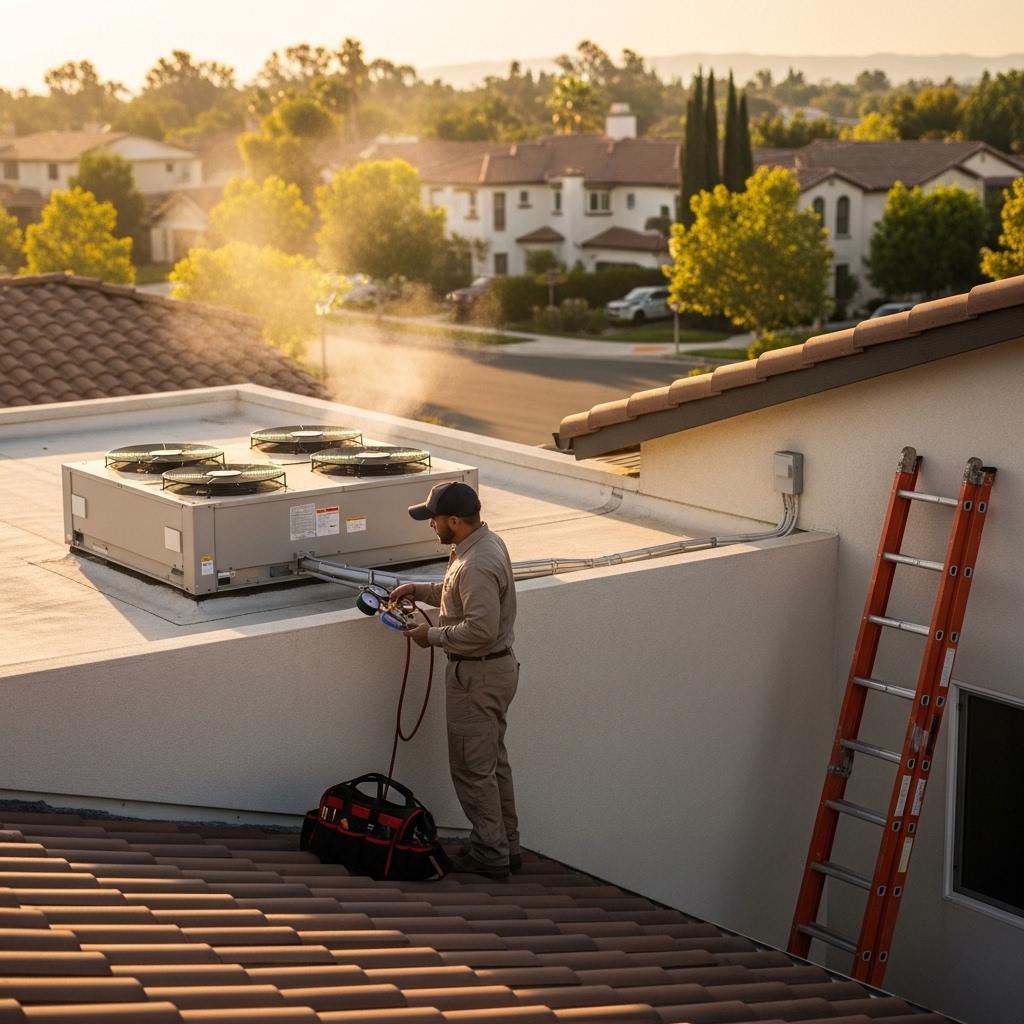
When the afternoon sun drops over the Santa Monica Mountains and the Valley keeps radiating heat like a brick oven, you feel every degree inside a Woodland Hills home. On days like these, an air conditioner that suddenly refuses to cool is more than an inconvenience—it is a disruption to sleep, work, and basic comfort. I have spent many long summers responding to urgent calls across neighborhoods from Calabasas Road to Oxnard Street, and I can tell you that true emergency situations often strike at the most inconvenient moments. In those first few minutes, it helps to know you have a reliable plan and a trusted path to AC repair that respects the urgency of Valley heat while protecting the health of your system.
Emergency AC repair in Woodland Hills is a unique service because of the area’s microclimates and the way heat lingers well into the evening. Homes designed with open floor plans, second-story bonus rooms, and expansive glass can accumulate heat loads that push systems to their edge. When that edge is crossed—when a compressor trips, an electrical component fails, or a condensate drain overflows—quick action preserves both comfort and equipment. Understanding how to react, what to check, and what to expect from a responsive technician helps you move from panic to plan.
What “emergency” really means during a Woodland Hills heat surge
In practice, an AC emergency is any situation where delaying service risks damage to your home or the system, or where heat exposure is a legitimate health concern. During a Valley heat wave, indoor temperatures can rise fast, especially in homes with upstairs bedrooms or older insulation. If your thermostat climbs despite the system running, if air stops flowing entirely, or if you notice burning odors or water where it shouldn’t be, you are firmly in emergency territory.
Homeowners often ask whether a late-night shutdown justifies a midnight call. The answer depends on the symptoms. A system that trips a breaker repeatedly, a unit that won’t start while the indoor temperature is rising rapidly, or an air handler that is leaking onto drywall are all situations where immediate attention prevents larger headaches. On the other hand, a slight performance dip or an intermittent rattle may allow for a quick next-morning appointment. Knowing the difference saves time and reduces stress.
Early checks you can safely do while waiting for help
Before your technician arrives, there are a few safe steps that can stabilize the situation. Start with the thermostat: confirm it is set to cool and that the temperature setting hasn’t been inadvertently changed. Replace batteries in older thermostats that use them, and consider temporarily setting the unit a few degrees higher to reduce demand while you troubleshoot. If the system is still running but not cooling, switching the thermostat to fan-only for fifteen minutes can help thaw an iced coil and restore airflow without pushing the compressor.
Next, check your electrical panel. A tripped breaker is common during high-load afternoons, particularly if other large appliances are running. If you reset the breaker and it trips again, stop there and call for service. Repeated tripping is a sign of an electrical fault that needs professional diagnosis. Also glance at the outdoor condenser. If it is buried under leaves or yard debris, clear a two-foot breathing space so the unit can vent heat. Do not remove panels or attempt repairs; keeping your actions limited to simple checks ensures safety and preserves warranty integrity.
Common emergency failures in the Valley’s climate
Repeatedly, I see the same patterns in Woodland Hills. When the heat index hits triple digits, systems run longer cycles with fewer breaks, and weak points show themselves. Low airflow is a major contributor—clogged filters starve the system of air, coils frost over, and eventually you get the infamous scenario of a humming outdoor unit paired with a room that never cools. In other cases, a failed capacitor prevents the compressor or fan from starting, leading to a sudden, total loss of cooling even though the thermostat still calls for it.
Condensate problems are the silent emergencies. As warm air is dehumidified, water drains through a line that can clog with algae, dust, and roof grit. Left unchecked, it overflows into a secondary pan or directly into living spaces. Attic air handlers are common in this area, and water staining on the ceiling is often the first sign. During a heat wave, the volume of condensation is high, so what was a slow drip yesterday can become a saturated drywall patch today. Another frequent call is the persistent smell of hot electrical components. This can result from worn fan motors, loose connections, or contactors that arc under load. When you smell that metallic, overheated odor, cut power to the equipment and schedule emergency service.
How technicians approach emergency calls
With genuine emergency work, speed and precision matter. A well-prepared technician starts with power and safety checks, then moves to a sequence of diagnostics designed to isolate the fault quickly. Airflow measurements, capacitor tests, refrigerant pressure readings, and electronic inspections all unfold methodically. The goal is to stabilize the system, restore cooling as soon as it is safe to do so, and ensure that the fix addresses the root cause, not just the symptom.
In Woodland Hills, I also aim to fit the solution to the specific home. A second-story den with poor attic insulation behaves differently than a shaded single-story ranch, even if the equipment is identical. After a rapid repair, we usually discuss tactics to reduce strain through the heat of the week. Sometimes that means staging indoor temperatures, closing blinds on west-facing windows, or setting a slightly narrower temperature swing to avoid dramatic peaks and valleys that stress the compressor. It also may include scheduling a follow-up tune-up to optimize performance and catch issues that a quick emergency visit can’t fully address.
What you can expect during a same-day rescue
When the calendar is packed and the thermometer climbs, communication is the secret to a good emergency experience. Expect a clear arrival window, a brief on-site assessment, and straightforward recommendations. If components must be replaced, you will hear why, how the failure occurred, and what the implications are for system health. If there is a temporary workaround to bring back cooling while a specialty part is sourced, that option will be explained as well. In many cases, a decisive repair gets you back to comfort on the first visit, but the bigger win is restoring trust in your system.
In the middle of the process, many homeowners ask whether they should push for immediate upgrades or live with a stopgap measure. The right answer depends on system age, condition, and comfort goals. A thoughtful provider helps you weigh these factors without pressure. When you need a reliable path to timely AC repair, it should feel like an ally stepping in during a stressful day, not a transaction forcing rushed decisions.
Temporary steps to protect your home while service is en route
If your system is down and the temperature is climbing, prioritize the rooms you use most. Close doors to unoccupied spaces so that any cool air you retain stays where it is needed. Draw blinds and curtains on sun-drenched windows, especially those facing west. Cooking on the stovetop adds heat; consider cold meals until the system is restored. If you have ceiling fans, use them to create a wind-chill effect, making a few degrees feel more comfortable. These small measures do not fix the underlying issue, but they slow the rise in indoor temperature and reduce the urgency while help is on the way.
Preventing the next emergency before it starts
Emergencies are often the visible outcome of invisible neglect. A simple filter schedule, coil cleaning, drain line treatment, and routine electrical inspection cut down dramatically on unexpected failures. In the Valley, where dust and pollen can be heavy and summer cycles are long, changing filters on time is more than a housekeeping task—it is equipment protection. Likewise, ensuring the outdoor condenser has airflow and that vegetation is trimmed back helps keep head pressure within normal limits during the hottest afternoons.
Thermostat strategy also plays a role. Instead of pushing the temperature way down after a hot day, try stepping it down incrementally so the system is never forced into a sustained sprint. If you travel or you’re away from home during the day, consider a modest setback that the system can recover from gradually, rather than a deep setback that demands an aggressive catch-up right when outside temperatures peak. The whole idea is to keep your AC operating within a comfortable range, not yo-yoing across extremes.
Choosing a responsive emergency partner
In Woodland Hills, local knowledge matters. A team that understands our canyon breezes, the radiant heat off tile roofs, and the quirks of attic installations is better positioned to diagnose quickly and fix with confidence. Responsiveness shows up in the small things: fast confirmation calls, technicians who carry the right parts for common failures, and clear explanations you can follow even when your living room feels like a sauna. The right partner treats your emergency like their own, balancing speed with craftsmanship.
Frequently asked questions
What should I do first if my AC stops cooling during a heat wave?
Verify the thermostat settings, switch to fan-only if the system has iced, and check for a tripped breaker. If the breaker trips again or you notice burning smells or water leaks, turn the system off and schedule emergency service. While you wait, close blinds, minimize interior heat sources, and concentrate cooling in essential rooms.
Is it safe to run my AC if I hear unusual buzzing or humming?
A persistent buzz from the outdoor unit can indicate a failing capacitor or a stuck contactor. Continuing to run the system may cause further damage. It is best to shut it down at the thermostat and wait for a technician to evaluate the issue to prevent compounding failures.
Why does my AC freeze up on the hottest days?
Low airflow is the usual culprit, often caused by a clogged filter or dirty evaporator coil. Refrigerant issues can also be involved. High heat drives longer run times, so small airflow restrictions become major. Once the coil freezes, cooling stops, and the system needs to thaw before proper diagnosis and operation can resume.
How do I know if my situation is an emergency or can wait until morning?
If indoor temperatures are rising rapidly, if water is leaking, if the breaker trips repeatedly, or if you detect burning odors, treat it as an emergency. If the system cools inconsistently but there is no active leak or safety concern, a prompt next-day visit may suffice.
Can I prevent condensate clogs in the future?
Yes. Regular drain line treatments, annual coil cleaning, and ensuring the drain has a proper slope help keep water flowing. In attic installations, a float switch can shut the system down before overflow occurs, protecting your ceiling from water damage.
Will a quick fix during an emergency shorten my system’s life?
A properly executed emergency repair should stabilize the system without compromising longevity. The key is to address root causes and schedule follow-up maintenance if needed. A quality provider will explain what was fixed and what preventive steps you can take to avoid repeat issues.
When the heat is relentless and your home needs relief, you deserve a swift, trustworthy response that restores comfort and confidence. If you are facing a no-cool situation right now, or if you want a reliable plan before the next heat wave hits, reach out to a local team that knows Woodland Hills and treats your urgency as their own. For responsive scheduling, clear communication, and dependable results, contact us today and set your home on the smoothest path to professional AC repair. Your next cool breeze is closer than you think.