
Spend a single July weekend in Woodland Hills and you’ll understand why our HVAC systems work as hard as we do. The sun sits over the West Valley like a spotlight, attics soak up heat, and long duct runs wind through homes built and remodeled across decades. In this environment, certain HVAC issues appear again and again. Knowing what they are—and how they behave in our specific climate—can save you time, protect your home, and keep your comfort steady. Along the way, a well-timed HVAC repair can spare you the frustration of breakdowns that always seem to arrive on the first truly hot weekend.
Let’s start outside, where the condenser faces the brunt of afternoon heat. One frequent issue is a failing capacitor. In cooler regions, a weak capacitor might limp through a season; in Woodland Hills, it gets exposed. Start-ups grow hesitant, the fan may hum without turning, or the system clicks and tries again. Left alone, that hesitation stresses the compressor and fan motor. Replacing the capacitor at the first hint of trouble is a simple fix that prevents a cascade of wear. Related to this is the contactor—the switch that brings power to the compressor and fan. Dust, pitting, or heat fatigue can make it stick or chatter. If you notice the outdoor unit behaving erratically, a trained eye can quickly evaluate both components and restore smooth operation.
Coils and airflow in a Valley summer
Dirty condenser coils are another common culprit. Think about everything floating in our air—dust from dry hills, pollen, and fine debris during Santa Ana events. Those particles cling to fins and insulate the coil, forcing the system to work harder to shed heat. On a 105-degree afternoon, the margin for error is slim; a dirty coil can be the difference between steady cooling and an overheated compressor. The indoor evaporator coil faces its own challenges. If filters are neglected or returns are leaky, dust and lint collect on fins, reducing heat transfer and sometimes causing ice. When ice melts, you get surprise puddles near the furnace or air handler, which can worry homeowners who aren’t sure where the water came from.
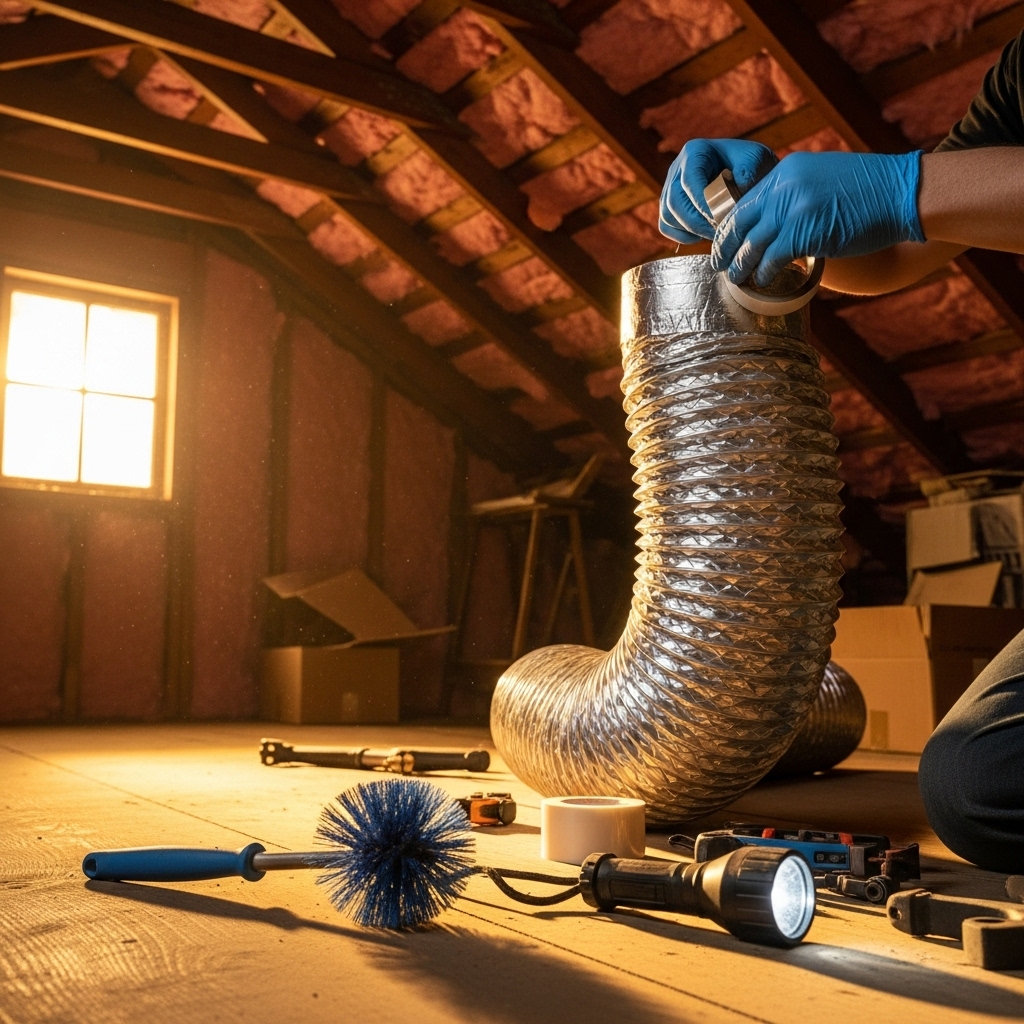
Airflow problems are especially common in homes with additions or long hallways. Crushed flex duct in an attic, a poorly sealed return, or a damper stuck half-closed can manifest as hot rooms that never quite catch up. In Woodland Hills, hot attics amplify the effect because every bit of airflow lost translates to more time struggling against stored heat. Technicians often find small fixes—replacing a collapsed section of duct or reseating a filter rack—that pay back instantly in comfort.
Refrigerant charge and the Valley’s long afternoons
Refrigerant leaks are not always dramatic. You might notice a slow decline in performance and assume the house is just getting harder to cool. In reality, a low charge makes supply air warmer and cycles longer, and the system risks freezing the evaporator on cooler nights. In our climate, where afternoons run long and hot, the strain compounds day after day. A proper repair includes finding the leak, correcting it, and charging to manufacturer specs—not simply topping off and hoping for the best. With charge restored, the system regains its crisp, confident cool that you can feel the moment you walk in from the driveway.
While on the topic of charge, Woodland Hills homeowners often ask about older units and compatibility with modern practices. The key is evaluation. Some systems respond beautifully to leak repairs and meticulous charging, especially when paired with coil cleaning and airflow corrections. Others reveal broader issues that point to future planning. The common thread is that accurate diagnosis beats guesswork every time.
Thermostats, sensors, and the story they tell
Another theme is control issues that masquerade as mechanical failures. A thermostat placed in direct sunlight, a loose common wire, or a failing sensor can cause short cycling, temperature swings, or systems that refuse to start. In houses where afternoon sun floods the hallway, relocating the thermostat or adding a shade can transform performance. Likewise, repairing low-voltage connections and confirming sensor readings puts the system back in sync with your actual living conditions. It’s amazing how often a “broken AC” is really a communication problem waiting to be solved.
Smart thermostats add potential and complexity. They reward systems that are mechanically sound and properly repaired. But if a damper is stuck or a blower wheel is dirty, no amount of smart scheduling will deliver consistent comfort. That’s why thorough repair—mechanics first, controls second—creates the best outcomes.
Condensate drains and quiet threats
The humble drain line deserves respect. In Woodland Hills, where cooling runs for long stretches, condensation flows constantly. Algae, debris, or a sag in the line can create clogs that slowly back water into the pan. On a quiet evening you might hear a faint drip or notice dampness near the air handler. Left unchecked, this can lead to ceiling stains in homes with attic air handlers, or cabinet rust and musty odors elsewhere. Clearing the drain and verifying proper slope is a common repair that saves homeowners from far bigger headaches later.
Some systems include safety switches that shut the system down if water rises in the pan. If your AC suddenly stops with no other symptoms, this is a prime suspect. A quick repair brings relief and helps you avoid water damage that is far more disruptive than a warm room for a few hours.
Furnace season in a mild winter
While summer dominates our attention, winter introduces its own set of common issues. Inducer motors whirring louder than usual, igniters that glow but fail to light, or intermittent flame sensors can all crop up when the first cold nights arrive. Woodland Hills may not be frigid, but a chilly morning is still a chilly morning, and prompt repairs keep those rare heating days comfortable. Cleaning flame sensors, verifying draft, and checking safeties are straightforward tasks that restore reliable heat without fuss.
It’s also wise to consider carbon monoxide safety even in our temperate climate. Repairs that address venting, combustion adjustments, and heat exchanger integrity do more than chase a noise or eliminate a startup hiccup—they protect the health of everyone in the home.
Ductwork: the hidden highway
Many of the comfort complaints I hear trace back to duct issues. In older homes, returns may be undersized or located in ways that force the system to work harder than necessary. A repair might include reworking a return grill, sealing gaps with mastic, or replacing a crushed section of flex. The improvement shows up immediately as stronger airflow and quicker cool-downs in rooms that used to lag. Because Woodland Hills attics are punishingly hot in summer, every bit of duct efficiency turns into real comfort you can feel by late afternoon.
Leakage is the silent thief. If you’ve ever noticed dust in a room that seems to appear out of nowhere, or if the filter gets dirty faster than it should, a leaky return could be pulling attic air into circulation. Repairing those leaks restores the system’s balance, improves air quality, and lets the filter work as designed.
In the middle of any good diagnostic visit, I like to step back and consider the whole home. This is often when a targeted HVAC repair reveals a bigger opportunity, such as modest duct adjustments or a new return path that evens out stubborn hot and cold spots. The fix feels bigger than the part replaced; it’s a change in how the house breathes.
Electrical integrity under heat
Heat is hard on electrical components. Wire connections loosen, insulation ages, and breakers serving outdoor equipment live in boxes that bake through the day. Many “mystery” shutdowns come down to electrical integrity. Repairs here are methodical: tighten connections, test voltage under load, verify proper breaker sizing, and confirm that safety switches operate as intended. The reward is a system that starts with conviction and runs without drama, even when the patio is shimmering with heat.
Homeowners sometimes describe intermittent issues that only appear after hours of operation. That’s the signature of heat-related electrical stress. When addressed early, these repairs are simple; when ignored, they can lead to collateral damage in boards and motors.
Noise: the language of wear
Rattles, hums, squeals, and thumps are the way systems talk to us. In a quiet house, those messages stand out. A blower that squeals at start-up may have a belt that’s glazing or bearings nearing their limit. A thump at shutdown could be ductwork oil-canning due to pressure swings from a blocked return. When you hear something new, it’s worth responding promptly. The earlier you act, the more likely a small repair solves the root cause and restores that hush that makes a home feel settled.
FAQ
Q: What’s the most common summer failure in Woodland Hills? A: Capacitors and contactors are frequent victims of heat and heavy cycling, followed by issues from dirty coils and low refrigerant charge.
Q: My far bedroom won’t cool. Is it the AC or the ducts? A: Often it’s airflow. Crushed duct, a stuck damper, or a leaky return can starve a room. A targeted repair usually brings fast relief.
Q: Why does my system freeze at night? A: Low airflow or low refrigerant can cause coil icing, which often shows up during cooler nights after long daytime runs.
Q: The AC stops and starts randomly—what gives? A: Intermittent electrical issues, safety switches from a clogged drain, or control wiring problems are prime suspects. A thorough diagnostic isolates the cause.
Q: Will cleaning the coils really make a difference? A: Yes. Clean coils restore heat transfer, reduce system strain, and improve cooling capacity, especially during triple-digit afternoons.
Q: Is a smart thermostat a cure-all? A: It’s a great tool, but it can’t overcome mechanical or airflow problems. Solid repairs first, smart controls second, deliver the best results.
Your Next Move for Smooth, Steady Comfort
If any of these issues sound familiar, don’t wait for the next heat wave to force your hand. A careful evaluation and the right repair can bring instant relief and long-term stability. Reach out to a local pro who understands Valley homes, and ask for expert HVAC repair to keep your Woodland Hills home cool, calm, and consistent all season long.