
Every summer in Woodland Hills teaches its own lesson. Some years it is the long string of triple-digit afternoons, other years it is the late-season heat that lingers well into October. As a local, you can feel the difference in how your air conditioner behaves from the moment sunlight hits the west side of the house. Today’s AC repair landscape has evolved to meet this climate head-on, blending classic craftsmanship with new diagnostic tools and smarter controls. Early in the season, a well-aimed repair or tune-up can shift the entire trajectory of your summer. Even better, strategically timed AC repair takes advantage of recent trends that deliver more precision, more reliability, and more comfort for the same energy spent.
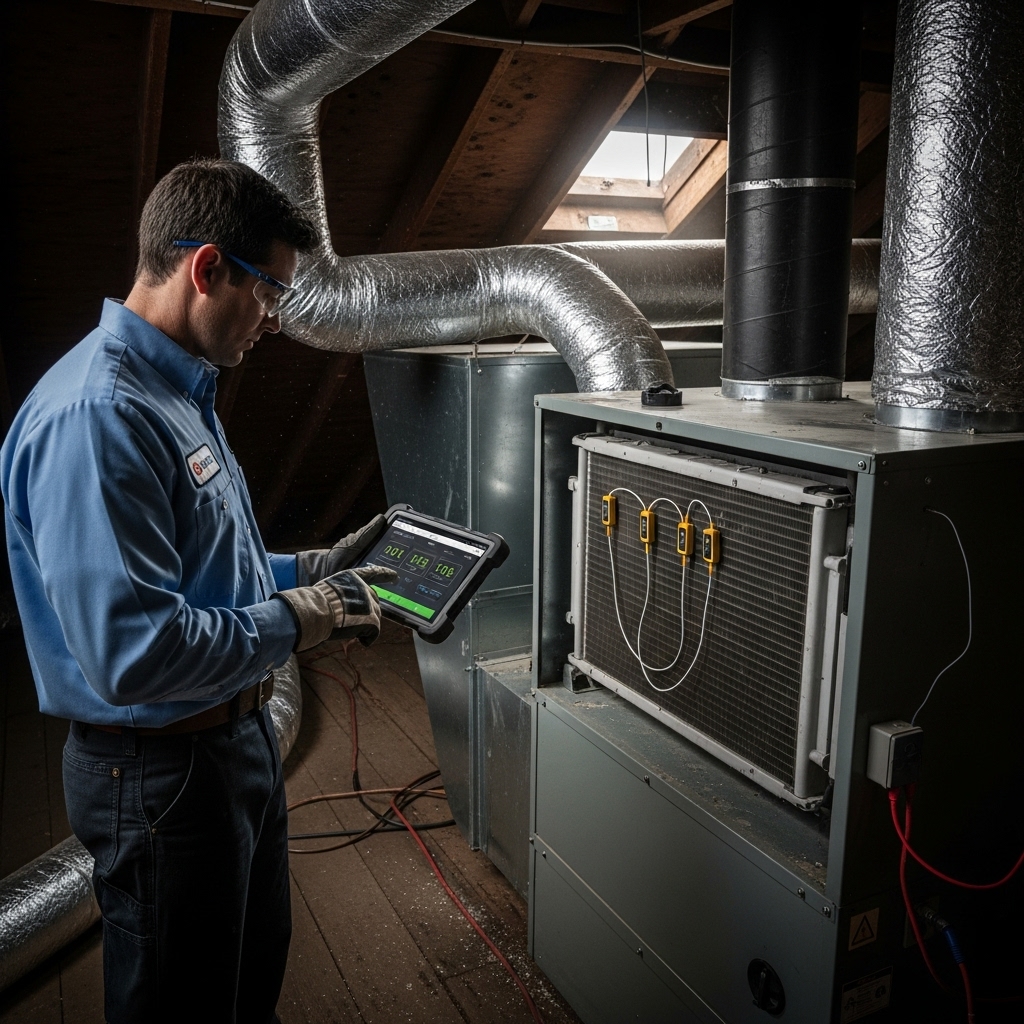
One change you will notice is how thorough initial inspections have become. Instead of glancing at pressures and replacing a filter, technicians increasingly start with a whole-home perspective: attic conditions, return sizing, register temperatures, static pressure, and real-time airflow readings. In Woodland Hills, where attic temperatures soar and evening breezes can carry dust, this perspective matters. You cannot separate performance at the vents from the environment that surrounds the ducts and air handler. The trend is toward measuring what used to be assumed—and then using that data to guide targeted repairs rather than guesswork.
Data-Driven Diagnostics
Modern tools tell the story in numbers. Static pressure readings reveal whether the blower can breathe. Wireless temperature probes placed across rooms map how evenly the system cools. Coil surface temperatures and superheat/subcool metrics confirm whether refrigerant is doing its job efficiently. This data illuminates hidden issues like return restrictions or sagging flex ducts that are common in older Valley homes. With evidence in hand, repairs become surgical: opening a choked return, reseating a collapsed duct elbow, or resetting blower speed to match the system’s actual resistance. The result is shorter runtime, quieter operation, and steadier comfort, even when the sidewalk outside is hot enough to shimmer.
Local conditions shape these measurements. Sun-exposed roofs push attic temperatures, and when that heat bathes ducts, the system’s capacity effectively shrinks. Repair strategies increasingly incorporate duct sealing and insulation touch-ups as part of the service, not as an optional add-on. These are not glamorous fixes, but they have an outsized impact in our microclimate. Expect more technicians to bring sealants and insulation tapes along with gauges and meters, because a sealed elbow can recover more delivered cooling than many homeowners realize.
Cleaner Air as a Performance Strategy
Another trend is the recognition that indoor air quality and efficiency are inseparable. Dust and fine particulates build quickly during dry spells and wind events, coating coils and clogging filters. Repair visits now routinely include coil inspections and targeted cleanings, not only for health but for performance. Clean coils and properly selected filters keep airflow within design range, which lets your AC maintain comfortable supply temperatures without long, costly cycles. In Woodland Hills, this is key to evening comfort when windows are closed and the air outside is still and warm.
For families sensitive to smoke or seasonal allergens, technicians may also check for cabinet leaks that pull unfiltered air into the system from attics or garages. Sealing those leaks is a quiet way to restore both air quality and efficiency. It is a trend born from practical experience: when you remove the dust load at its source, the rest of the system can do its job with less effort.
Smarter Controls, Simpler Schedules
Smart thermostats are not new, but the way they are applied has changed. Instead of chasing complicated automations, the current trend is to pair calibrated, well-placed thermostats with simple schedules that match your daily rhythm. After a targeted repair brings airflow and charge into line, a modest setback strategy becomes predictable and effective. Woodland Hills homes see the most benefit when setpoints are stable late in the afternoon, avoiding big swings that the system struggles to handle amid peak heat. The smartest control is often the one that is easiest to live with, and repairs that stabilize the system make that simplicity possible.
Technicians are also leaning into remote diagnostics where appropriate. While not a replacement for on-site evaluation, some systems can send performance clues that point toward failing capacitors, abnormal cycling, or airflow deviations. This forewarning shortens repair windows and can stop small issues from snowballing during a heat wave.
Quiet, Efficient Operation as a Repair Goal
Comfort today includes sound. Buzzing contactors, rumbling blowers, and chattering outdoor units are more than annoyances; they often accompany inefficiencies. A growing repair trend is to treat noise symptoms as performance clues. Tightening cabinet panels, isolating vibration, and setting fan speeds not only improve the acoustic backdrop of your home but also restore the system to a steadier state that uses less energy. In Woodland Hills, where long summer evenings stretch on, the quiet hum of a tuned system is part of what makes a house feel restful.
Similarly, the push for even temperatures across rooms has steered repairs toward balancing airflow. Rather than live with a too-cold hallway and a too-warm bedroom, technicians measure and adjust supply flows to match load. Small corrections to branch ducts, registers, and returns produce outsized comfort gains. This emphasis reflects a broader shift: repairs aim not just to make the AC run, but to make it run in a way that supports how you actually use your home.
Midseason Tune-Ups That Target Reality
Midseason service has taken on new importance. After the first wave of heat, your system’s performance patterns are clear. Maybe the upstairs lags at sunset, or the living room loses its edge during dinner. A midseason air conditioning repair appointment focuses on those specifics. It brings coil cleaning, static pressure checks, thermostat calibration, and airflow balancing together to address what you are actually experiencing, not just a checklist. For Woodland Hills homeowners, this is the moment to bring attic realities, shading patterns, and family routines into the conversation so the repair plan matches your life.
These targeted visits often uncover easy wins: a return grille with too-fine media, a bent register damper that throttles a key room, or an overlooked cabinet leak that pulls hot attic air into the system. The trend is toward solving what is in front of us rather than prescribing generic fixes, and the payoff is comfort that holds in the heat of the day.
Refrigerant Practices with an Eye on Longevity
Refrigerant work has also matured. Instead of topping off an underperforming system, the best practice is to find and correct the leak, evacuate, and recharge to specification based on measured conditions. This approach guards compressor health and ensures that the system delivers designed capacity. It is particularly important here, where long runtime and high outdoor temperatures magnify the consequences of a sloppy charge. Expect more technicians to bring precision scales, digital manifolds, and leak detection tools to every visit.
Homeowners benefit from this rigor because it stabilizes operation for the remainder of the season and beyond. When refrigerant charge is correct and verified, the AC can maintain setpoint without dramatic pressure swings, which translates to fewer surprises on hot afternoons.
Why These Trends Matter Locally
Trends only matter if they solve real problems. In Woodland Hills, real problems look like warm rooms at sundown, systems that run and run without quite catching up, and energy statements that outpace your sense of comfort. The shift toward data-driven repairs, airflow balancing, coil cleanliness, and simple, reliable controls addresses each of these directly. It respects the local conditions—hot attics, dusty stretches, and intense afternoon sun—and turns them into variables that can be managed rather than endured.
It also respects how people actually use their homes. Cooks want a cool kitchen during dinner prep. Kids need bedrooms that settle before bedtime. Home offices demand quiet, steady cooling through afternoon video calls. Repairs that match these realities keep comfort present without constant tinkering at the thermostat.
Frequently Asked Questions
What is the biggest repair trend improving comfort right now?
Data-driven airflow and pressure diagnostics lead the way. By measuring static pressure, return performance, and room-by-room temperatures, technicians can correct the specific bottlenecks that cause long cycles and uneven rooms. The result is faster, steadier cooling with less energy.
Do I need new equipment to benefit from these trends?
No. Most trends are about better diagnostics and smarter repairs, not replacement. Coil cleaning, duct sealing, airflow balancing, and thermostat calibration can transform how your existing system performs, especially in our climate.
How does indoor air quality relate to repair strategies?
Clean air keeps coils and filters from clogging prematurely. Regular coil checks, appropriate filtration, and cabinet sealing reduce dust load, which maintains airflow and lets your system cool efficiently. In Woodland Hills, this synergy is vital for comfort during late-day heat.
Why focus on midseason service?
By midseason, you know where the pain points are. A targeted visit can correct the exact issues you experience during peak heat, delivering immediate benefits for the rest of the summer rather than theoretical improvements you may not notice.
Is refrigerant work different now?
Yes. Instead of quick top-offs, the standard is to find and fix leaks, perform proper evacuation, and charge by the numbers. This protects the compressor, stabilizes operation, and keeps the system ready for the hardest days of summer.
If you are ready to bring these modern repair practices into your home and make this summer smoother than the last, now is the time. A focused service visit that measures the right things and addresses the real constraints of your house can reset comfort for the hottest months. To line up help that applies these trends the right way, schedule with a local team that specializes in professional AC repair and enjoy a steadier, quieter, more efficient season.