
Older homes in Woodland Hills have a kind of charm that newer construction can only imitate. Deeper eaves, mature shade trees, and rooms that tell the story of decades of Valley life are all part of the appeal. Yet those same homes present unique challenges during summer. Original ducts may snake through hot attics, returns are often undersized, and vintage architecture sometimes leaves thermostats in sunlit corridors or near warm kitchens. The result is a system that works too hard for too little comfort. The right AC repair approach respects the character of your home while tightening the performance that keeps it livable when triple-digit afternoons roll in.
Begin with a clear picture of airflow. Many older houses rely on a single central return that is too small for today’s higher-efficiency equipment. When the return cannot supply what the blower demands, the evaporator runs too cold and airflow across rooms suffers. You feel it as a living room that never quite cools or a bedroom that lags at dusk. A careful repair plan measures static pressure and temperature split to confirm the bottleneck. Sometimes the fix is as simple as reducing filter restriction with a better-matched media or enlarging a grille; other times, adding a secondary return is the right move. Even modest improvements unlock capacity you already own and reduce the burden on the system during the hottest hours.
Attic Realities in Older Homes
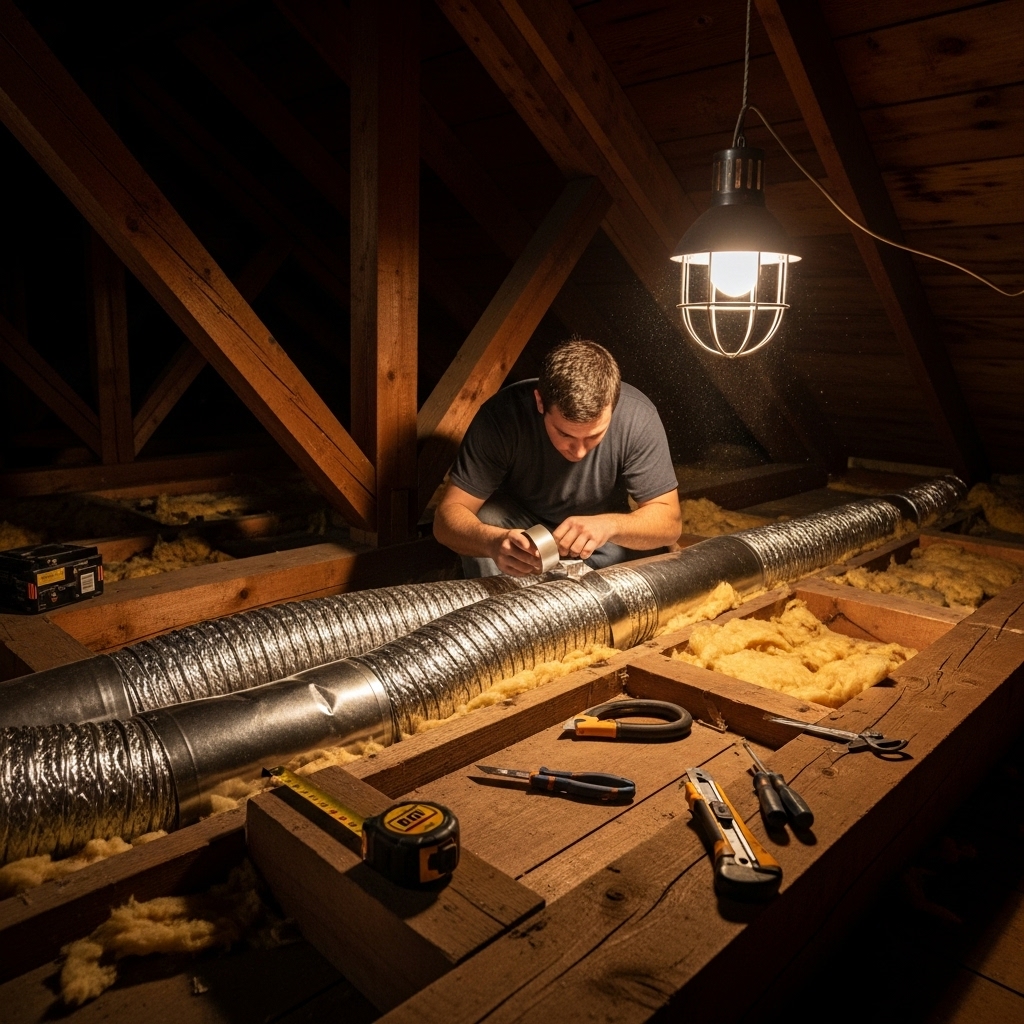
Attics in mid-century properties can be low, cramped, and intensely hot, with ducts that have settled or been disturbed by past projects. Flex runs may be kinked, mastic may have dried and cracked, and boots might be loose where they meet the ceiling. A repair-first approach prioritizes sealing accessible leaks, reseating connections, and correcting kinks and sags. These steps are affordable in terms of disruption to your home’s finishes and can significantly improve delivered airflow. In Woodland Hills, where attic temperatures stay high well into the evening, any air saved from leaking overhead is cooling you and not the rafters.
The age of the home also influences insulation patterns. Some walls are plaster, some areas have been remodeled, and attic insulation can be uneven. While insulation upgrades are not strictly an AC repair task, the repair visit is the right moment to note glaring gaps around ducts and attic hatches that bleed heat into the system. Addressing these thermal leaks does not change the look of your home, but it can reduce runtime noticeably.
Respecting Architecture While Fixing Airflow
Older homes often have beautiful built-ins, coved ceilings, and original registers you would rather keep. The goal is to work with those features, not against them. Repairs can target behind-the-scenes improvements: sealing duct connections in the attic, adjusting branch dampers to balance rooms, and calibrating the thermostat to reflect what you actually feel where you spend time. The result is cooler rooms without altering the character of the spaces you love.
Register placement is another nuance. In some homes, furniture and rugs have slowly migrated to cover supply paths. During a repair visit, it is worth walking room to room to confirm that airflow is not being blocked by design choices that crept in over time. Small relocations or register updates, chosen to blend with the home’s style, can yield surprising improvements.
Thermostat Strategy for Vintage Layouts
Thermostats in older homes are sometimes mounted where the original builder found convenient, not where modern comfort demands. Hallways that absorb afternoon sun, breezeways that trap heat, or walls shared with warm kitchens all distort the reading. A repair plan that includes thermostat relocation and calibration aligns control with lived reality. When the sensor reflects the temperature where you actually sit and sleep, you can set a realistic target and trust the system to deliver.
After controls are right, simple schedules become a powerful tool. Older homes can be slower to respond because of heavier materials and thermal mass. Smooth, predictable setbacks keep temperatures within a range the system can manage, avoiding the panic-cooling that strains components and leaves some rooms behind.
Coil Cleanliness and Filter Selection
In vintage properties, dust and particulate from attic insulation and years of minor renovations can clog coils faster than expected. A repair visit that includes evaporator and condenser coil inspection and cleaning resets performance. Pair that with filter media chosen for both capture and airflow, and you will maintain the balance necessary for comfort. Older returns benefit greatly from filters that are effective without being overly restrictive. This is a place where professional guidance matters because what worked in a newer tract home may starve airflow in a mid-century floor plan.
Filter placement deserves a second look as well. If your only filter is at the return grille and it is too small, the system lives under strain. Adding a properly sized filter rack at the air handler or reconfiguring the return to accommodate more media can reduce static pressure and smooth operation, all without touching the visual elements of your rooms.
Handling Condensate and Safety Concerns
Condensate drains in older homes may run long distances with questionable slopes. Over time, algae and debris collect, leading to intermittent shutdowns right when you need cooling most. Clearing the line, adding cleanout access, and verifying slope are repair steps that pay off immediately. Safety switches should be tested and replaced when weak, as they protect your home from leaks and overflow.
Electrical components deserve attention too. Aging contactors and capacitors show their age under sustained summer loads. Replacing weak parts before failure keeps your system from stalling under peak demand and reduces the risk of a string of failures that can occur when one component’s stress cascades into others.
Balancing Old Windows and Sun Exposure
Many older homes have original or earlier-generation windows that transmit more heat. Afternoons can load rooms faster than your system recovers. While full window replacement may be a future project, the repair mindset focuses on what you can control today: ensuring even airflow to sun-exposed rooms, verifying that registers throw air across the space rather than down the wall, and checking that the thermostat is not overreacting to localized heat. Sometimes the winning move is as simple as shifting airflow and adjusting schedules to anticipate the sun, rather than chasing it.
Shading and landscape also play a role. Mature trees offer relief, but they drop debris that can clog outdoor coils, especially in still corners where the condenser sits. A repair visit that includes thorough coil cleaning is one of the quickest ways to restore performance during peak season.
Midseason Tune-Ups With an Eye for History
By midseason, the personality of an older home is on full display. You can sense where the air lingers and where the warmth returns after sunset. A midseason air conditioning repair visit translates those observations into action: balancing ducts, cleaning coils, calibrating controls, and tightening cabinet leaks. These steps respect the home’s fabric while delivering modern comfort. They also set a baseline that makes any future upgrades more effective, because your distribution system will be ready to support them.
This is also the right time to document what you have. Photographs of duct runs, notes on insulation gaps, and measurements of static pressure and temperature splits form a record that guides future work. Older homes reward continuity, and a clear service history helps your system stay predictable even as seasons change.
When to Talk About Bigger Changes
Eventually, there are moments when replacement or a more substantial retrofit enters the conversation. The key is to reach that decision by building on solid repairs. If airflow is right, coils are clean, and controls are calibrated, you will get the most accurate picture of what a new system would need to deliver and how it would perform in your home’s unique layout. That foundation ensures that any investment you make is matched to reality rather than to guesswork.
Frequently Asked Questions
Why do older homes struggle with airflow?
Many were built with smaller returns and fewer supply branches, which worked for their original equipment but starve modern systems. Ducts may have been modified over decades, introducing kinks and leaks. Repairs that measure and correct these constraints typically deliver immediate comfort gains.
Can I keep my original registers and still improve performance?
Often, yes. Behind-the-scenes duct sealing, balancing, and thermostat calibration allow you to preserve architectural features while boosting performance. When registers are part of the home’s character, careful adjustments elsewhere carry most of the load.
What repairs make the biggest difference in older homes?
Return improvements, coil cleaning, duct sealing, and thermostat calibration top the list. Together, they shorten runtimes, reduce temperature swings, and ease the strain on equipment. In Woodland Hills heat, these steps are a powerful combination.
How do I handle condensate issues in a tight attic?
Add cleanout points, verify slope, and ensure safety switches work properly. Clearing lines and simplifying maintenance access prevent inconvenient shutdowns during peak heat and protect ceilings and finishes.
Will a smart thermostat help in an older house?
It can, but only after airflow and equipment are tuned. The biggest gains come when a calibrated thermostat is paired with a balanced system and simple schedules that reflect how the home absorbs and releases heat across the day.
If your older Woodland Hills home needs relief from the summer push, you do not have to trade character for comfort. Start with targeted repairs that respect the house you love while restoring the performance you need. When you are ready to smooth out hot rooms, quiet noisy cycles, and bring steady cool back into your routine, line up a visit with local pros who specialize in professional AC repair and enjoy your home at its best through every heat wave.