
Step into one of Woodland Hills’ mid-century ranch homes on a summer afternoon and you feel the story in the walls. Plaster holds a day’s worth of heat, original wood windows glow in the sun, and the attic—often shallow and minimally ventilated—radiates warmth well after sunset. These homes are beautiful and full of character, but their age presents distinct challenges for cooling systems. Over years of service, equipment has been replaced, ducting has been pieced together, and remodels have shifted airflow patterns. When something goes wrong, the most effective AC repair strategy respects both the architecture and the way these homes actually breathe. Knowing how to approach AC repair with an older home in mind is the difference between a quick bandage and a lasting solution.
Older homes in Woodland Hills were designed long before modern energy codes. Many feature long hallway runs, sunlit living rooms with tall ceilings, and additions at the back that were integrated after the initial build. Each of these qualities influences how an air conditioner performs. The goal with repair work is to address the immediate issue while nudging the entire system toward better balance—air that arrives with the right temperature, at the right volume, in every room.
Respecting the bones of the house
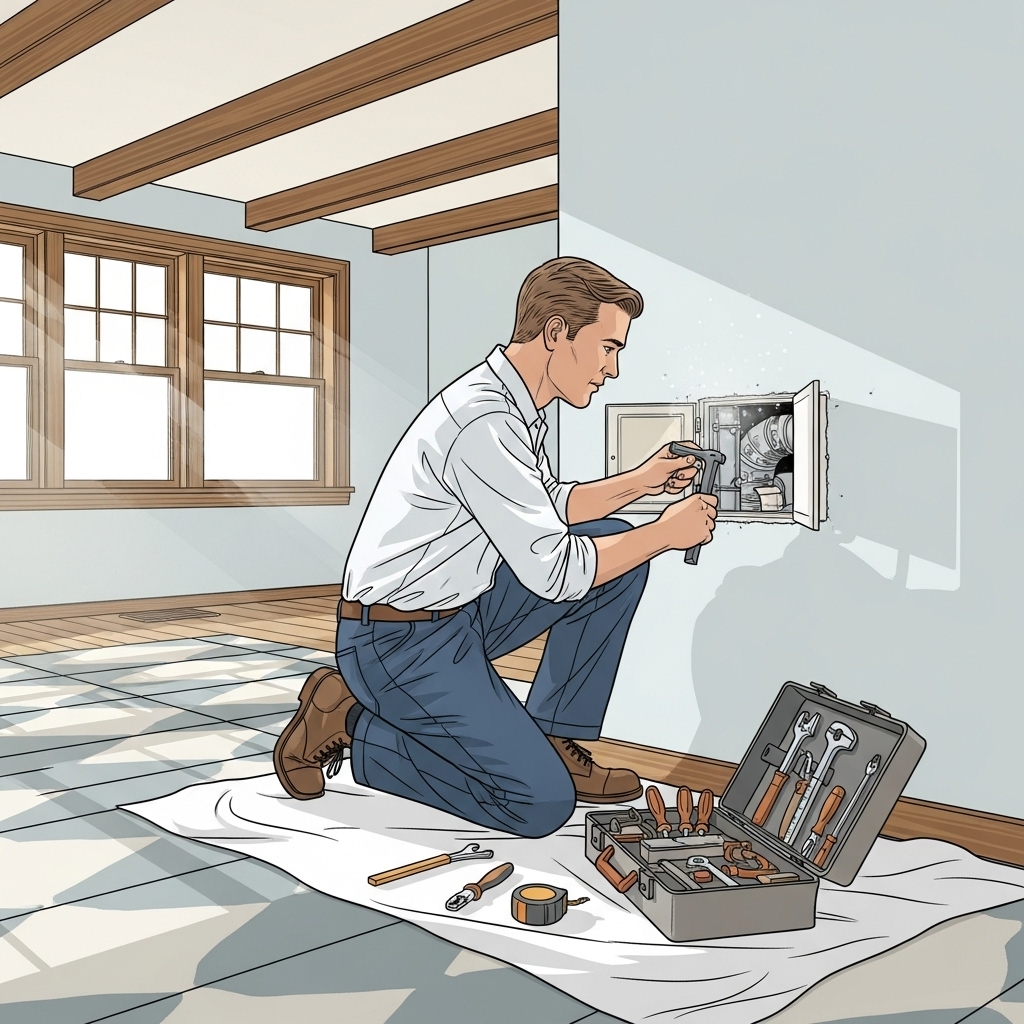
Repairing AC in an older home calls for a light touch. Original plaster and lath walls, exposed beams, and custom built-ins make access more delicate than in new construction. Where a modern house may have generous service chases or drop ceilings, a classic ranch or Spanish revival often requires selective openings and careful patching. A technician who understands this reality plans diagnostics and repairs that minimize disruption, using existing access points wherever possible and laying protective coverings along travel paths to protect floors and trim.
Another reality is the electrical system. Many older homes have undergone panel upgrades, but branch circuits in attics and closets may remain a patchwork of different eras. Before working on air handlers, condenser circuits, or condensate pumps, it is important to verify proper grounding and adequate capacity for the equipment. This doesn’t just affect safety; it influences performance. Voltage drop on a long, older run can cause intermittent problems—hard starts, tripped breakers, or fan motors that run hot in July.
Airflow as the foundation of comfort
No matter the vintage of the house, airflow is the bedrock. In older properties, return air paths may be undersized, supply grills may be mismatched to the room’s load, and ductwork can snake around additions in ways that create pressure imbalances. During a repair visit, a thoughtful technician measures static pressure, inspects duct connections for leaks, and evaluates filter placement. Restoring even a few percentage points of airflow can turn a struggling system into a stable one, especially during late-afternoon heat spikes that are common in Woodland Hills.
Duct leakage is especially sneaky in older attics. Tape dries out, mastic cracks, and boots separate from ceiling registers over time. Each small leak reduces delivery to the living spaces, which the thermostat interprets as a need for longer run times. That extra runtime magnifies every other weakness—dirty coils, weak capacitors, and minimal insulation—leading to the spiral of “it runs all day but never quite catches up.” A well-executed repair addresses the immediate cause and also shores up these foundational airflow issues.
Typical repair scenarios in older homes
Capacitors and contactors are routine replacements in our climate, but the reasons they fail can differ in vintage homes. A condenser that sits in a narrow side yard with limited airflow may run hotter, shortening component life. An attic air handler with a compromised return pathway may ice up the coil, leading to water where you least want it: on plaster ceilings that are costly to restore. Refrigerant charge issues can reveal themselves in subtle ways too, like a back bedroom that never cools while the living room is frigid. The equipment is a system, and the house’s architecture is part of that system.
Condensate management is another high priority. Many older homes lack secondary drain pans or float switches, and drain lines might run long distances with questionable slope. A repair that includes adding a safety switch or rerouting a sagging drain can prevent the kind of ceiling damage that turns a small service call into a major restoration project.
Blending modern controls with classic architecture
One of the most rewarding parts of working on older homes is integrating modern control strategies without compromising aesthetics. A well-placed smart thermostat can manage gentle temperature changes that reduce stress on the system, particularly during Woodland Hills’ notorious late-day heat. The key is choosing controls that communicate smoothly with the existing equipment and calibrating sensors so that the thermostat reflects the reality of the home, not just the temperature of a shaded hallway.
Zoning is sometimes possible, especially in larger ranch layouts where bedrooms and living areas have different schedules and loads. Even without a full zoning retrofit, dampers can be adjusted and registers balanced to improve comfort in specific rooms. During a repair, we take note of these opportunities and implement small adjustments that pay dividends right away.
Preserving finishes while delivering robust repairs
Working in an older home means planning the route of every step and every tool. Floor coverings, protective corner guards, and careful staging of parts protect baseboards and door casings. When repairs require opening a small access in a plaster ceiling, the goal is a clean, contained cut that is simple to patch. Older homes often have irreplaceable finishes; a repair that restores comfort without leaving a trail of collateral work respects both the homeowner and the home’s history.
Communication is just as important as craftsmanship. Older properties tell their stories in layers, and part of our job is describing what we see in a way that empowers homeowners to make decisions confidently. When a coil is dirty, it isn’t just dirty—it is dirty because the return air filter was inaccessible and missed for months, or because a back-porch addition changed pressure balances. Sharing these root causes turns a repair visit into a learning experience, so future problems are less likely.
Seasonal strategies for the Valley’s heat
Summer in the west Valley challenges every weakness in an older home. Afternoon sun pours through original glazing, attic temperatures soar, and indoor loads spike just when systems are most tired. Gentle thermostat staging helps—lowering temperatures gradually rather than waiting until after 5 p.m. to ask the system for a dramatic drop. Ceiling fans, properly balanced supply registers, and shading strategies also contribute to smoother performance. When these habits accompany a sound repair, the results feel better than the sum of their parts.
Filter access is a recurring theme. In older homes, return grilles can be tucked in hallways or high on walls. If changing the filter is a chore, it tends to be delayed. During a repair visit, we look for ways to make filter changes easier, whether that means relocating a filter rack or installing a return grille that opens without tools. In Woodland Hills, dust and pollen can be heavy, and a clean filter is the simplest form of protection there is.
Mid-project questions homeowners often ask
In the middle of a repair, homeowners often want to know whether to tackle small duct improvements or stick strictly to the immediate fix. The best answer balances urgency, budget, and long-term goals. A focused repair restores comfort right away, while incremental duct sealing or return enhancements can be timed to coincide with other home projects. Either way, a reliable path to thoughtful AC repair is rooted in clear communication and a plan that fits your home’s character.
Frequently asked questions
Why does my older home cool unevenly even after repairs?
Uneven cooling is often an airflow story. Duct leakage, undersized returns, or long runs serving additions can starve certain rooms. A precise repair should include static pressure checks and adjustments to improve distribution, not just equipment fixes.
Is it risky to run my AC if the attic is extremely hot?
Attic temperatures are a reality in Woodland Hills, but poor ventilation and minimal insulation can push components to their limits. Running the system under these conditions isn’t inherently risky, yet it increases wear. Improving attic ventilation and sealing duct leaks reduces strain and helps repairs hold up longer.
Can a smart thermostat help an older home?
Yes, when properly configured. Smart controls can stage temperature changes, reduce swings, and provide insight into runtime patterns. The key is placing sensors wisely and aligning settings with the home’s actual loads.
What if my return grille is too small?
An undersized return creates noise, reduces airflow, and can cause coils to freeze. During a repair or tune-up, a technician may recommend enlarging the return or adding a second return path to bring pressures into a healthy range.
How do you protect original finishes during repairs?
Technicians should use protective coverings, minimize openings, and plan careful access. When cuts are necessary, clean lines and dust control make patching straightforward and preserve the home’s character.
If your Woodland Hills classic needs attention now, or if you want a plan that respects both craftsmanship and comfort, reach out to a team that approaches older homes with patience and skill. From gentle diagnostics to thoughtful adjustments that improve every room, we are ready to bring steadier comfort to your space. When you want confidence, clarity, and true care for your home’s unique character, schedule professional AC repair today and feel the difference that local expertise makes.