
On the hottest Woodland Hills afternoons, your home should feel like a refuge. Yet many households experience recurring cooling issues that erode that sense of ease just when they need it most. The good news is that most of these problems have clear, repairable causes. From rooms that never seem to catch up to systems that freeze, hum, or drip at the worst moments, the right AC repair approach pinpoints the issue and restores stability. As a local, I have seen how our unique mix of blazing sun, hot attics, and dusty pockets make small defects loom larger. The path back to comfort is a combination of precise diagnostics, repair where it counts, and a realistic plan that fits your home’s layout and daily rhythm.
Start with airflow. If cooled air does not reach the rooms that need it, no thermostat setting will make up the difference. Many Woodland Hills homes rely on long runs of flex duct routed through attics that become superheated by midafternoon. A kink, crushed section, or loose connection can throttle a room without calling attention to itself until June or July. Another quiet culprit is an undersized or clogged return. When the system cannot pull enough air back, the blower struggles, coils run colder than intended, and icing can follow. A careful repair visit will measure static pressure and room-by-room temperatures to find these choke points. Correcting them not only cools the stubborn rooms but often shortens every cycle throughout the home.
Uneven Cooling Across Rooms
Uneven cooling is the most common complaint and one of the most solvable. Bedrooms over garages, additions, and rooms with heavy afternoon sun tend to lag. The fix might be as simple as adjusting dampers and balancing branches once measurements confirm where the imbalance lies. Other times, it means reseating a slipping flex duct elbow or sealing a leaky boot that spills cold air into the attic instead of the room below. In our microclimate, these small changes matter. When every degree outside pushes harder against your home, the smallest supply loss shows up as a noticeable comfort gap.
Thermostat placement and calibration play roles here too. A thermostat mounted on a wall that absorbs afternoon heat can prompt aggressive cooling that leaves nearby rooms chilly while far rooms are still warming. Relocating or calibrating the thermostat evens out cycles, bringing your whole home into better alignment without the need for dramatic setpoint swings.
Short Cycling and Long Runtimes
A system that starts and stops frequently wastes energy and never reaches a stable groove. Common causes include incorrect refrigerant charge, oversized equipment, and airflow restrictions. In Woodland Hills, restrictions are often the hidden factor. When return air is limited by a clogged filter or a tight grille, the evaporator runs too cold, leading to icing that interrupts the cycle. The recovery period is long and uncomfortable. A targeted repair restores airflow, verifies charge by measuring superheat and subcool, and gets cycle lengths back into the efficient range.
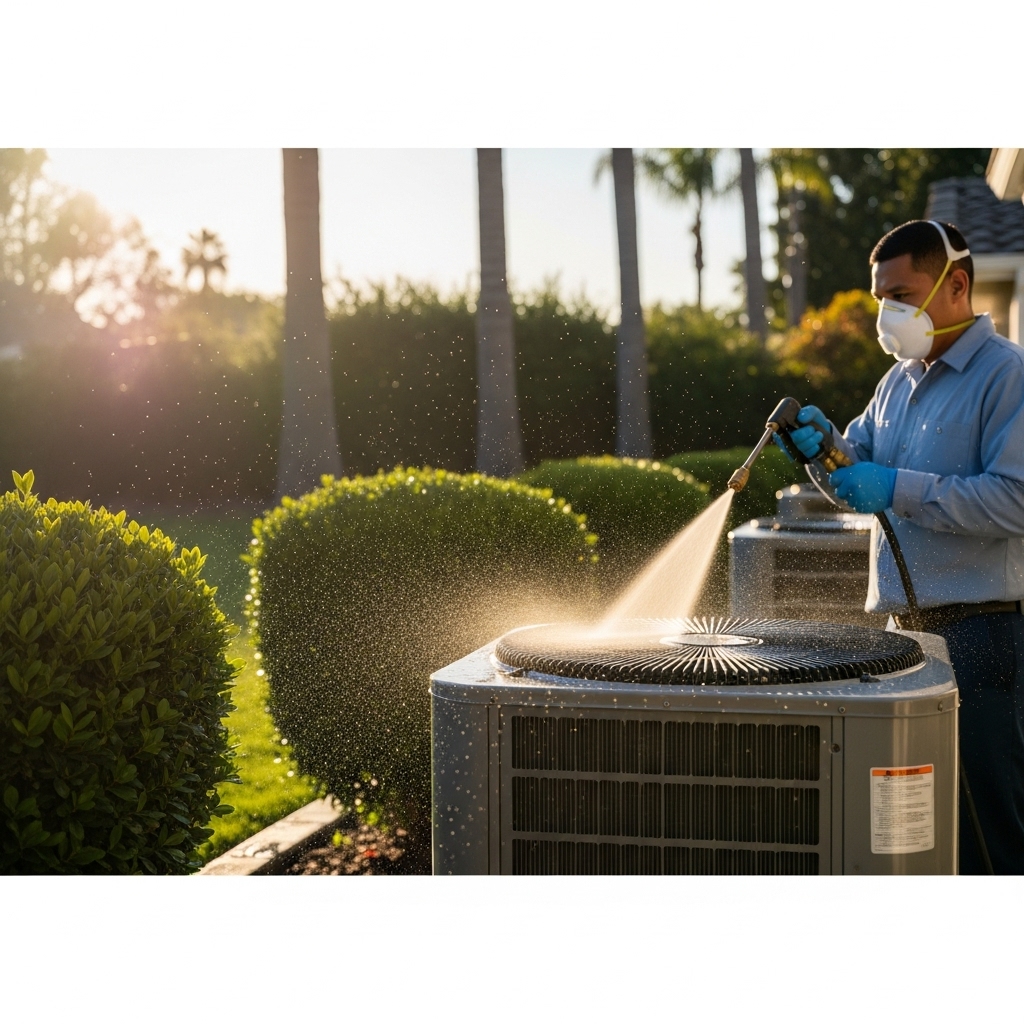
Long runtimes have their own set of causes. Dirty condenser coils are the leading culprits during mid and late summer when dust accumulates. If heat cannot leave the outdoor unit efficiently, pressures rise and the system labors to meet setpoint. A thorough coil cleaning is one of the most impactful repairs you can make, and homeowners are often surprised by the immediate improvement in supply air temperature and cycle length.
Frozen Coils and Condensate Problems
Ice on refrigerant lines or the evaporator coil is a signal that airflow or charge is off. In our area, it often starts with an excessively restrictive filter or return bottleneck. The coil gets too cold, frost begins, and airflow drops further, creating a feedback loop. Shutting down the system to thaw might offer temporary relief, but the underlying cause remains. The repair solution is to correct airflow and confirm charge by the numbers. Once restored, your system will maintain temperature without dipping into the frost zone.
Condensate clogs show up as intermittent shutdowns or water near the air handler. The heat and dust of Woodland Hills accelerate biological growth in drain lines, and attic installations can make access awkward. Clearing the drain, setting proper slope, and protecting the line against future buildup keep your system from tripping safety switches on the hottest days. Addressing condensate issues proactively also prevents the long recovery cycles that chew up energy and comfort after a shutdown.
Noisy Operation and Vibration
Buzzing, rattling, or vibrating equipment is not just a nuisance; it often points to efficiency losses. Loose panels, misaligned fan blades, and failing capacitors produce telltale sounds. Treat noise as a diagnostic clue. When a repair tightens cabinets, isolates vibration, and confirms electrical health, the system returns to a calm, even hum that signals stable operation. In Woodland Hills, where outdoor units live in pockets of radiant heat, a quiet condenser is often a healthy one that is not fighting against abnormal pressures.
Indoor noise matters too. A whistling return or a rumbling blower usually indicates airflow constraints. By addressing the restriction—whether at the grille, filter, or duct—a repair calms the soundscape and restores performance. The difference shows up in how quickly rooms settle and how steady the temperature feels between cycles.
Thermostat and Control Issues
Thermostats can quietly undermine comfort if they are misreading the room or sited in a sun-washed hallway. A repair visit that includes calibration and, if necessary, relocation can transform your experience. Paired with a simple schedule, a well-placed thermostat prevents overcooling near the sensor and undercooling in distant rooms. After the controls are right, you can trust that a modest setpoint will deliver the comfort you expect, even on the hottest days.
Controls also encompass the safety switches and sensors that protect your system. Faulty or overly sensitive switches can cause nuisance shutdowns. Verifying that these components operate within spec reduces surprises and the long, uncomfortable warm-ups that follow.
Midseason Checks That Pay Off
By midseason, patterns are clear. The same room lags at dusk, a slight buzz at the condenser grows more frequent, or water occasionally appears near the air handler. Addressing these cues with a midseason air conditioning repair visit delivers outsized returns because you will feel the improvement for the rest of the season. Coil cleaning, static pressure measurement, drain clearing, and thermostat calibration are the core components of a visit that turns a barely-keeping-up system into one that handles the heat with confidence.
These visits also make it easier to plan. If a part is aging or a duct issue will eventually require a larger intervention, you get the information while the system still runs. You can choose the right timing rather than react to a sudden failure on a triple-digit afternoon.
When to Consider Bigger Steps
Not every system can be saved by repair alone. If major components are failing in sequence, if noise and inefficiency persist even after key fixes, or if the system cannot maintain comfort at reasonable setpoints, it may be time to evaluate broader options. Still, many Woodland Hills homes see dramatic improvements from repair-first strategies that restore airflow, clean coils, fix leaks, and calibrate controls. Those foundational steps remain valuable even if you eventually upgrade equipment because they ensure your home’s distribution system is ready to support a new unit at its rated performance.
Frequently Asked Questions
Why do the same rooms always run warmer?
Rooms above garages, additions, and west-facing spaces see higher loads. The cause is often a combination of duct issues and local heat gain. Repairing kinks, sealing leaks, and balancing airflow usually evens out temperatures, particularly when paired with thermostat calibration.
How do I know if low refrigerant is the issue?
Signs include ice on the lines, longer runtimes without reaching setpoint, and a noticeable drop in supply air temperature after the system starts. A proper diagnosis measures pressures, superheat, and subcool, and includes leak detection before recharging.
What does coil cleaning really do for comfort?
Clean coils restore efficient heat transfer. The outdoor unit sheds heat more easily, and the indoor coil cools air effectively without forcing long cycles. In our dusty climate, coil cleaning can produce immediate, tangible improvements in how quickly rooms cool and how stable they remain.
Is noise always a sign of a serious problem?
Not always, but it is a useful clue. Buzzing or humming often points to electrical components like capacitors or contactors. Rattling may indicate loose panels or vibration. Addressing noise typically improves both comfort and efficiency because the fixes resolve underlying issues.
How often should I schedule service during summer?
A pre-season tune-up is wise, and a midseason visit is recommended if you notice uneven rooms, longer cycles, or unusual sounds. Our climate accelerates wear and dust buildup, so timely attention prevents minor issues from becoming major ones during peak heat.
When you are ready to put these common issues behind you, focus on repairs that treat airflow, cleanliness, and control as a unified system. The right combination of diagnostics and fixes will tame stubborn rooms, calm noisy equipment, and eliminate the surprises that throw off your routine. To get your home back to steady, reliable comfort, schedule help with a local team that specializes in professional AC repair and step into the rest of the season with confidence.