
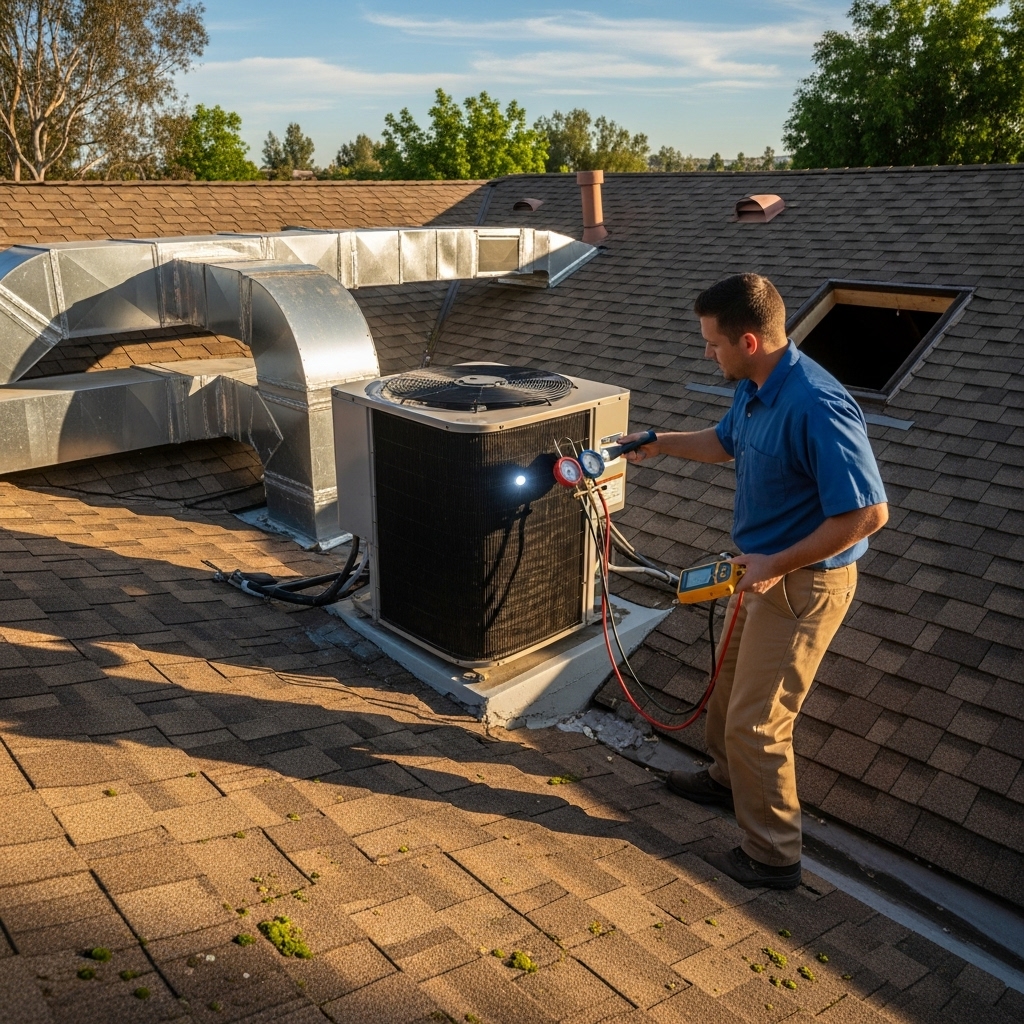
When summer settles over Woodland Hills and the valley heat builds from late morning through sunset, many homeowners feel that familiar tension between staying cool and keeping utility usage in check. We live in a place where long, bright days and still evenings are part of the charm, but they also put real pressure on air conditioners that work almost nonstop through the season. The often-overlooked truth is that strategic AC repair does more than restore comfort after a breakdown; it can measurably lower energy consumption day after day, especially in neighborhoods shaped by microclimates, older ducts, and sun-soaked roofs. From hidden airflow restrictions to thermostat miscommunication, the small inefficiencies that creep into a system in Woodland Hills add up quickly under sustained heat. Addressing them with careful diagnostics and timely repairs can make your home feel cooler at higher thermostat settings, shorten runtime, and keep your system from straining during peak afternoon hours.
As a local, you know how the valley’s geography traps heat in the late day. Attics run hot, the west-facing rooms glow, and outdoor units radiate warmth from concrete slabs. In this environment, even minor air conditioning issues—like a slightly undercharged refrigerant circuit or a filter that’s just a hair too restrictive—translate into longer cycles and higher utility usage. That is why focusing on repair and performance tuning is so valuable. Beyond restoring a lost degree or two, a thoughtful repair strategy aligns your entire cooling system with the realities of Woodland Hills’ climate: high attic temperatures, occasional dusty winds that dirty coils and filters faster than expected, and frequent on-off cycling when the thermostat is placed near a radiant window.
Understanding How Repairs Lower Energy Use
Lower energy bills begin with precise airflow. An AC system is engineered around a specific amount of air moving across the evaporator coil. When duct leaks, crushed flex runs, or a clogged filter restricts that airflow, the system becomes less efficient and more prone to icing. A proper repair does not just swap a filter; it examines static pressure, checks blower speed, evaluates return sizing, and verifies that each supply register delivers what the room needs. With the right pressure across the coil, refrigerant can absorb heat effectively, and your compressor does not have to labor to achieve the same setpoint. In practical terms, you get more cooling per kilowatt, and the thermostat can be nudged a touch higher without sacrificing comfort.
Refrigerant balance is the next pillar. In our hot, dry summers, an undercharged system will run long and never quite satisfy the thermostat, while an overcharged one can damage the compressor and drive up energy use. Woodland Hills homes often see refrigerant loss through tiny leaks at service valves or line set rub points, especially after years of thermal expansion and contraction in the attic or on the side yard. A thorough repair will locate and correct the leak, evacuate, and recharge to manufacturer specs, restoring optimal heat exchange. That means shorter cycles and less strain during the hottest peak hours.
Coil cleanliness directly impacts energy consumption as well. Outdoor condensers gather grime from landscaping, dust, and street particulates. Indoors, evaporator coils trap lint and fine dust that bypass filters. Even a thin layer of buildup forces your system to run longer, multiplying energy use across a summer of continuous demand. During a repair visit, a targeted cleaning of both coils resets the system to its intended efficiency, allowing heat to move freely from your home to the outdoors.
The Local Realities: Attics, Ducts, and Microclimates
In Woodland Hills, attic conditions are more than a footnote—they define performance. When attic temperatures soar, poorly sealed ducts bleed conditioned air into superheated spaces, while attic returns pull in air that is warmer than it should be. A quality repair approach includes sealing accessible leaks, reattaching loose connections, and correcting insulation voids around boots and plenums. These improvements reduce the cooling burden without changing your lifestyle. If your system no longer loses cool air overhead, it runs less to achieve the same comfort, and your monthly usage reflects that difference.
Thermostat placement is another local quirk. Sunlit walls and skylit hallways can trick your thermostat into sensing the wrong temperature, which leads to overcooling and excess runtime. During an AC service call, calibration and, if needed, relocation can make a striking difference. Add to that a quick review of bedroom returns, which are often undersized in older homes, and you can eliminate the late-night temperature swings that push you to lower the setpoint. The better your home’s airflow and sensor accuracy, the less your system has to work to make you comfortable on triple-digit days.
Comfort at Higher Setpoints
The most practical way to save energy is to feel equally comfortable at a slightly higher thermostat setting. Repair-driven improvements make that possible. When airflow is balanced, coils are clean, and refrigerant is correct, the air leaving your supply registers is cooler; rooms stabilize faster; humidity stays low; and temperature is more uniform from wall to wall. Those outcomes matter in Woodland Hills, where evenings can stay warm and still. If your AC can pull down temperature quickly and maintain it evenly, you will not feel compelled to push for extra degrees of cooling that spike your energy usage.
Small fixes also eliminate short cycling, which silently wastes power. A system that starts and stops too often never reaches peak efficiency, and the compressor endures needless stress. Repairs that address incorrect charge, faulty sensors, or improper blower speeds extend the length of each cycle to the sweet spot where efficiency is highest. Over a summer, that change registers on your energy statements.
Efficiency Gains Without Major Upgrades
There is a misconception that lower energy bills require replacing your entire system. While replacement can be the right move for very old or failing equipment, many Woodland Hills homes gain meaningful savings through targeted repairs and tuning. Something as simple as sealing a return leak in a hot attic can curb runtime. Realignment of a sagging flex duct can restore airflow to a stubborn room, letting you bump the thermostat higher with no discomfort. Calibrating a thermostat can reduce overcooling that happens every afternoon when the sun hits the west side windows. These are repair-level actions that pay dividends without altering your home’s appearance or routine.
Another often overlooked repair is condensate management. A partially clogged drain line can trip safety switches during peak heat, leaving you without cooling and forcing long runtimes when the unit restarts and catches up. Cleaning and protecting the drain system prevents unnecessary stoppages and the energy-hungry recovery that follows.
Middle-of-Summer Maintenance That Matters
Midseason is an ideal time to recalibrate. By July, you have experienced enough hot days to notice patterns: a particular room that lags, a late afternoon slump in performance, or a slightly higher energy statement compared to last year. A technician who knows the local conditions can interpret those clues, looking at attic conditions, shade patterns, and duct routing specific to your home. This is where smart, midseason air conditioning repair pays off, because it addresses the causes while you are still in the heat of the season, rather than waiting for fall when the symptoms fade from view.
Consider also the role of filtration. Woodland Hills often experiences dusty periods and occasional wind events that load filters faster. A repair visit that includes static pressure readings can reveal whether your current filter is over-restrictive; switching to a better-matched filter reduces blower strain and brings airflow back into the target range. You will feel the difference in register velocity and temperature, and you will see it reflected in a smoother, shorter duty cycle.
Indoor Air Quality and Energy Savings
Comfort is not only temperature. Clean indoor air helps your system perform better because dust and particulate settle on coils and in ducts, driving up energy usage. Whether you have pets, seasonal allergies, or just a breezy yard that pulls in outdoor dust, a repair appointment that includes coil cleaning and a review of filtration options improves both breathing comfort and efficiency. In Woodland Hills, where some days bring stagnant air and others carry dry wind, your AC serves as the home’s lungs. Keep those lungs clean and well-tuned, and you will keep energy use lower without sacrifices.
Sealing minor cabinet leaks on the furnace or air handler also makes a clear difference. If warm attic or garage air is pulled into the system cabinet, the coil has to cool air it never needed to process, diluting efficiency. By tightening the cabinet and ensuring proper gaskets, you shrink the cooling load to what truly belongs inside the living space.
Matching System Operation to Your Schedule
Energy savings are real when your system runs only when you need it. Repairs that restore accurate temperature sensing and steady airflow enable the thermostat to follow a schedule with precision. If bedtime set-backs or daytime setup routines have been frustrating because rooms never seem to catch up, the root cause may be a mechanical issue rather than a programming mistake. After a good repair and tune, schedules work as intended, letting you reduce runtime when you are away without dreading a long, inefficient cool-down when you return.
For families managing remote work, school schedules, and summer activities, that reliability adds up. The less you babysit your thermostat, the more efficient your home becomes. And in Woodland Hills, where many homes have differing comfort needs from room to room, a system that responds consistently keeps everyone happy while keeping energy use in line.
When to Consider a Broader Upgrade
There comes a point when an older system’s repair needs signal diminishing returns. If the compressor is struggling, major components are failing in sequence, or the system cannot maintain comfort even after key repairs, it may be time to explore replacement. Still, most homes benefit from a final round of targeted repairs and duct corrections before making that leap. Those repairs remain valuable even if you upgrade later, because well-sealed ducts and proper airflow will let a new unit perform at its rated efficiency on day one.
Similarly, thermostat upgrades can cap off a repair strategy. After your system is tuned, a modern, well-placed thermostat with accurate sensing and simple schedules will lock in the gains. The goal is not bells and whistles; the goal is dependable, calibrated control that mirrors what your home needs across the day.
Frequently Asked Questions
How exactly does AC repair reduce my energy bills in Woodland Hills?
Repairs target the losses that are invisible on the surface: low airflow from duct issues or filters, incorrect refrigerant charge, dirty coils, and poor temperature sensing. Fixing those problems leads to shorter, more efficient cycles. In our hot valley, that change repeats itself day after day, so your monthly usage drops without changing your habits.
Do I need a full replacement to see lower energy usage?
Not necessarily. Many homes see real savings from repairs that restore intended performance, particularly when ducts are sealed, coils are cleaned, and the charge is corrected. Replacement may be the right step for very old or failing units, but repair-first strategies often deliver noticeable reductions in runtime and improved comfort.
Why do attic and duct conditions matter so much here?
Woodland Hills attics get extremely hot. Any leakage or insulation gaps turn that heat into added load for your system. Repairing duct leaks, reattaching loose connections, and insulating exposed runs prevents cool air from spilling into the attic and hot air from infiltrating the system, which directly lowers energy use.
How often should I schedule service during summer?
A baseline tune-up before the heat arrives is smart, and a midseason check is helpful if you notice longer cycles, warm rooms, or unusual sounds. Dusty periods and heat waves can accelerate coil fouling and filter restriction, so a timely repair in midseason can preserve efficiency for the rest of the summer.
Will thermostat repairs or adjustments really help?
Yes. Inaccurate sensors and poor placement lead to overcooling and unnecessary runtime. Calibrating the thermostat, relocating it away from radiant heat sources, and ensuring steady airflow allow your system to follow schedules precisely and keep temperatures consistent, which reduces energy use.
What are signs that my system is wasting energy?
Common signs include rooms that never quite reach setpoint, frequent start-stop cycling, unusually warm air at some registers, ice on the refrigerant lines, water around the air handler from condensate backups, and a gradual rise in energy usage compared to previous summers. Each of these has repairable causes.
If the summer heat has already made itself at home, you do not have to accept rising energy statements as a fact of life. Restoring airflow, balancing refrigerant, and correcting attic and duct quirks can deliver the comfort you want without overworking the system that keeps your household running. For help prioritizing the fixes that will make the biggest difference in your home, reach out to a trusted local team. When you are ready to bring your system back to form and rein in your usage, schedule professional support with professional AC repair so you can head into the next heat wave with confidence.