
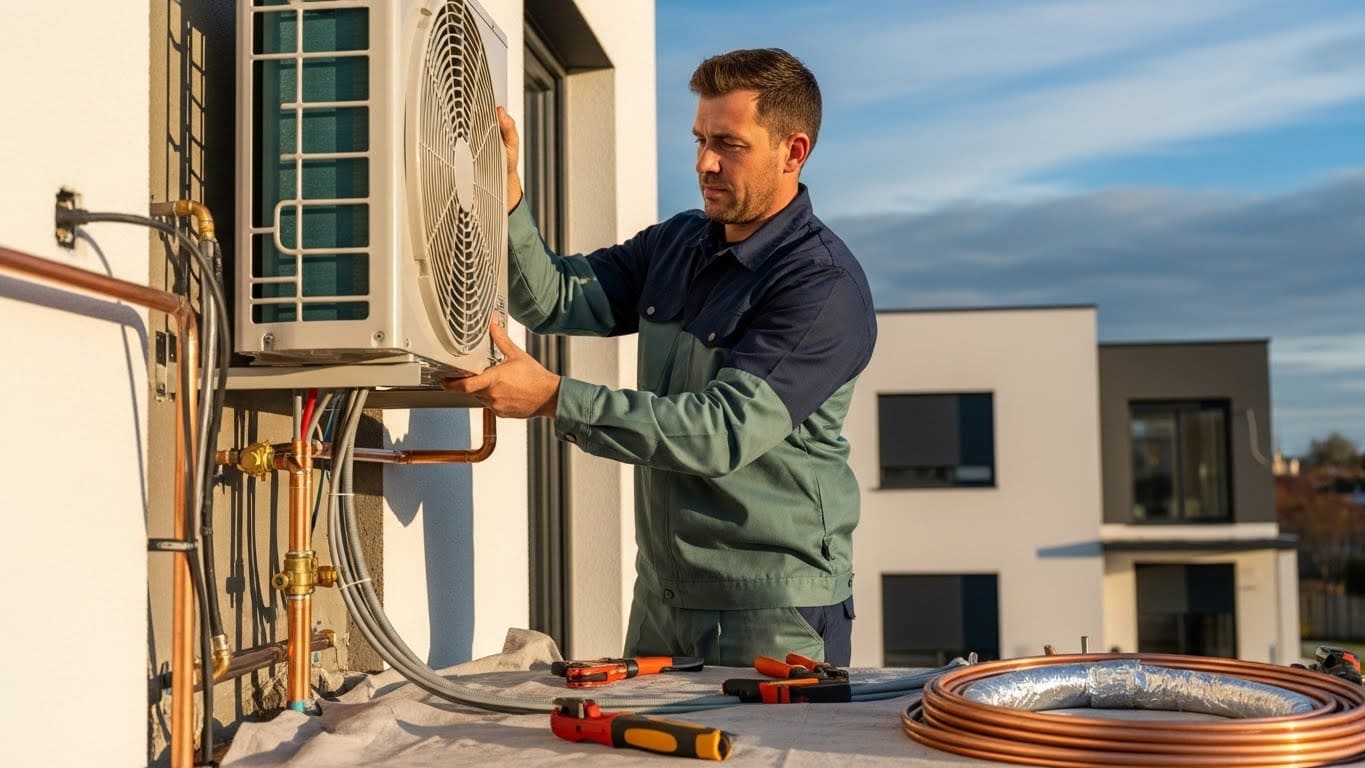
When planning an AC installation in Woodland Hills, CA, homeowners often focus on choosing the right-sized system but overlook something just as important: the amount of space required for the outdoor condenser. The placement of this outdoor unit directly affects cooling performance, energy efficiency, and even the lifespan of the system. And in a climate as warm as Los Angeles, every inch matters.
If the outdoor AC unit is crammed into a tight corner, surrounded by walls, or blocked by plants, it cannot release heat properly. This forces the system to run longer, work harder, and eventually break down sooner. Many homeowners only learn this after experiencing repeated overheating or high energy bills—issues that proper spacing could have prevented.
Understanding how much clearance your outdoor unit needs will help your AC system run smoothly for years.
AC Installation in Woodland Hills: Proper Space Requirements for Outdoor Units
1. Why Clearance Matters for Airflow and Efficiency
Your outdoor AC unit works by pulling in warm air and releasing heat. Without enough open space around it, the condenser can’t “breathe,” causing pressure buildup and poor cooling efficiency. In Woodland Hills, where summer heatwaves can push temperatures well into the triple digits, restricted airflow becomes a major problem.
A properly installed outdoor condenser should have:
• At least 2–3 feet of clearance on all sides
• 4–6 feet of open space above the unit
• A clear, level surface free from obstructions
This space allows the fan to move air freely and ensures heat is released efficiently. When airflow is blocked—by fences, hedges, storage boxes, or even outdoor furniture—the system can’t function properly. That’s why professional HVAC technicians always evaluate the area before beginning an AC installation.
2. Common Placement Problems in Los Angeles Homes
Many Los Angeles properties, especially older homes or townhomes, have limited yard or side-yard space. This leads to outdoor AC units being installed in cramped areas, such as:
• Narrow side alleys
• Corners surrounded by walls
• Behind fences or gates
• Near dense bushes or plants
• Under decks or low awnings
These placements cause the condenser to re-circulate hot air instead of releasing it. In Woodland Hills, where the outdoor temperature rises quickly, this becomes extremely stressful on the unit.
Another issue is debris. Falling leaves, dirt buildup, and overgrown plants around the outdoor unit can reduce cooling capacity by up to 30%. Homeowners often don’t realize this until they experience poor airflow or higher energy bills.
A proper installation ensures the outdoor system is placed in an area that maximizes airflow, minimizes heat absorption, and allows easy access for future maintenance.
3. Best Locations for an Outdoor AC Unit in Woodlands Hills Homes
When deciding where to place the outdoor condenser, HVAC professionals consider multiple factors—not just convenience. The right location can significantly improve cooling performance and extend the lifespan of your system.
Ideal placement considerations include:
Shade without obstruction:
A shaded area helps the system operate more efficiently but must still allow full airflow. Partial shade from a roof overhang often works well.
Avoiding west-facing walls:
Walls that absorb intense afternoon sun can radiate heat onto the unit, forcing it to work harder.
Distance from bedrooms:
Outdoor AC units can create noticeable sound. Skilled installers ensure placement avoids unnecessary noise inside your home.
Proximity to the indoor unit:
Shorter line sets reduce energy loss and improve system efficiency.
Soil and ground conditions:
Outdoor units should sit on a stable concrete or PVC pad, not directly on dirt or gravel.
In Woodland Hills, where many homes have compact outdoor spaces, a professional HVAC evaluation ensures your unit is installed in the safest and most efficient spot possible.
Additional Tips to Keep Your Outdoor Unit Running Smoothly
• Trim plants regularly to maintain 2–3 feet of space
• Avoid stacking items or storing equipment near the condenser
• Clear away leaves, debris, or pet hair that may block airflow
• Schedule seasonal AC checkups to catch airflow issues early
• Keep sprinkler systems aimed away from the unit to prevent corrosion
Proper placement paired with proper care results in cooler indoor temperatures and lower energy bills all year long.
Frequently Asked Questions About Outdoor AC Unit Space
1. Can an outdoor AC unit be placed under a deck?
Only if there is at least 6 feet of open space above it and plenty of room for airflow. Most decks don’t meet this requirement.
2. What happens if my outdoor unit doesn’t have enough space?
It overheats, becomes less efficient, uses more energy, and is more likely to break down.
3. Can plants or bushes be near the AC condenser?
Yes, but keep at least 2–3 feet of clearance and trim them regularly.
Final Thoughts
The outdoor condenser plays a crucial role in your home’s cooling system. Ensuring it has the right amount of space is just as important as choosing the right AC unit. Proper placement leads to better performance, lower utility bills, and a longer-lasting system—especially in a warm climate like Woodland Hills.
Schedule Your AC Installation in Woodland Hills, CA Today
Ready for a seamless, efficient AC installation? Global Green Solutions ensures every outdoor unit is installed with proper spacing, airflow, and long-term performance in mind.
📞 Call now: 310-507-7172
Trust our local experts for reliable comfort, season after season.
Read more:
The Top Benefits of Energy-Efficient AC Installation for Los Angeles Homes