
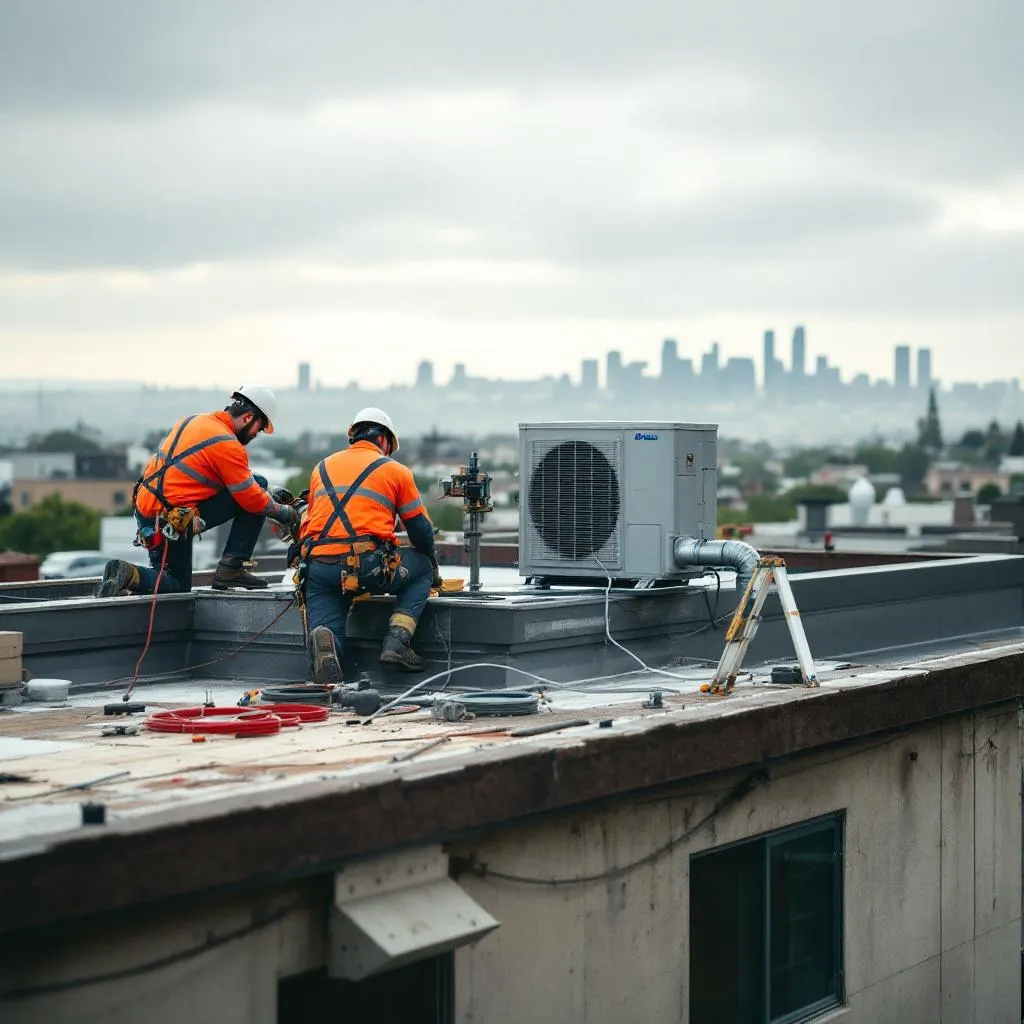
As an AC installation expert serving businesses across Woodland Hills, I know that reliable cooling is more than comfort — it’s essential to operations. Whether you manage retail space, a medical office, or an industrial facility, proper AC Installation ensures efficiency, indoor air quality, and long-term equipment performance. Early in a project I focus on clear assessments and practical recommendations, and when clients need a trusted partner I often point them to local specialists like AC Installation to streamline the process.
AC Installation in Woodland Hills: Why expertise matters
Woodland Hills has its own climate demands and building stock, which means a one-size-fits-all approach rarely works. Experienced contractors understand how to evaluate roof loads, ductwork condition, electrical capacity, and ventilation requirements. When a team performs a thorough site survey, they uncover issues that affect longevity and efficiency. I rely on that level of detail to recommend right-sized equipment and to avoid common pitfalls such as undersized ducting, improper refrigerant charge, or mismatched components that can shorten system life.
Assessment, design, and system selection
Good commercial AC work starts with careful assessment. I walk clients through reasons to consider different system types — rooftop units, packaged systems, split systems, and VRF/VRV solutions — and discuss factors like occupancy patterns, equipment lifecycle, and integration with existing controls. Designing for serviceability and future upgrades is crucial: a small investment in access panels or modular components today can save hours of downtime and expense later. Choosing the correct manufacturer and model for a specific application reduces energy use and improves occupant comfort, and I always emphasize systems that integrate with modern building management controls.
Preparing for installation: permits, coordination, and disruption minimization
Commercial installations often require permits, structural considerations, and coordination with multiple trades. I advise clients to plan around business hours, schedule disruptive work during off-peak times, and communicate clearly with tenants. Proper staging and logistics reduce downtime and keep projects on schedule. It also helps to select a contractor who manages permit intake, inspections, and code compliance so building owners can focus on daily operations rather than paperwork.
The installation process and quality assurance
On installation day, attention to detail makes the difference. From securing proper roof curbs to confirming electrical service and testing refrigerant levels, the work must follow manufacturer guidelines and local codes. After mechanical completion, thorough commissioning verifies performance under load: measuring temperatures, airflow, and control responses ensures the system meets design expectations. I recommend a post-install review with the owner’s team to confirm maintenance access, warranty registration, and a clear schedule for first-season checkups. For many clients, using an established provider like AC Installation ensures those steps are completed consistently.
Maintenance planning for longevity
Even the best installation needs an ongoing maintenance plan. Regular filter changes, coil cleanings, and control calibrations preserve efficiency and avoid premature failures. A proactive agreement that includes seasonal inspections and priority response can protect your operation from unplanned outages. I often help clients set realistic maintenance intervals based on run-hours and environmental factors, and recommend simple logs that track performance trends so small issues are caught before they escalate.
Frequently Asked Questions
Q: How long does a commercial AC installation typically take?
A: Timelines vary by project scope. A straightforward rooftop unit swap can be completed in a few days, while complex system replacements or new-builds require weeks of coordination. The critical path usually involves permitting, curb installation, and electrical upgrades.
Q: Will a new system reduce my utility bills?
A: Modern, properly sized systems with efficient controls generally lower energy use, but savings depend on envelope efficiency, control strategy, and maintenance. I recommend an energy audit to quantify potential improvements and justify equipment choices.
Q: How do you minimize downtime during installation?
A: Good contractors plan phased cutovers, perform work during off-hours when possible, and maintain constant communication with building staff. Temporary cooling solutions can be used in sensitive environments during installation to keep operations running smoothly.
Choosing the right partner for commercial AC Installation in Woodland Hills, CA should be a decision grounded in local experience, code knowledge, and a track record of quality work. If you want a team that handles assessments, permits, and ongoing maintenance with transparency and care, reach out and let us help coordinate your next project. Visit our preferred local resource at AC Installation to learn more and begin the conversation.
20746 Clarendon St, Woodland Hills, CA 91367, United States
Phone: +1 +(310) 507-7172