
Living in Woodland Hills means mild winters, but when your furnace acts up you want reliable, fast help from someone who knows the local climate and the quirks of older Southern California systems. As a local technician I’ve guided many homeowners through the unpredictability of seasonal starts, and one thing I stress is the importance of timely Furnace Repair to avoid small issues turning into emergencies. This article walks through the most common problems we encounter, how we diagnose them, and practical steps you can take before a pro arrives.
Furnace Repair: Common Issues We See in Woodland Hills
The first and most frequent call we get involves ignition and pilot troubles. Even modern electronic igniters can fail or become less reliable over time, leaving a home without heat when temperatures drop at night. Another common problem is restricted airflow caused by dirty filters or obstructed vents; in Woodland Hills homes that sit empty for weeks or see renovations, dust buildup and construction debris can reduce airflow and strain the blower motor. Thermostat inconsistencies are also typical—either from calibration drift, dead batteries, or loose wiring—and they often masquerade as larger furnace failures.
Diagnosing Electrical and Mechanical Faults
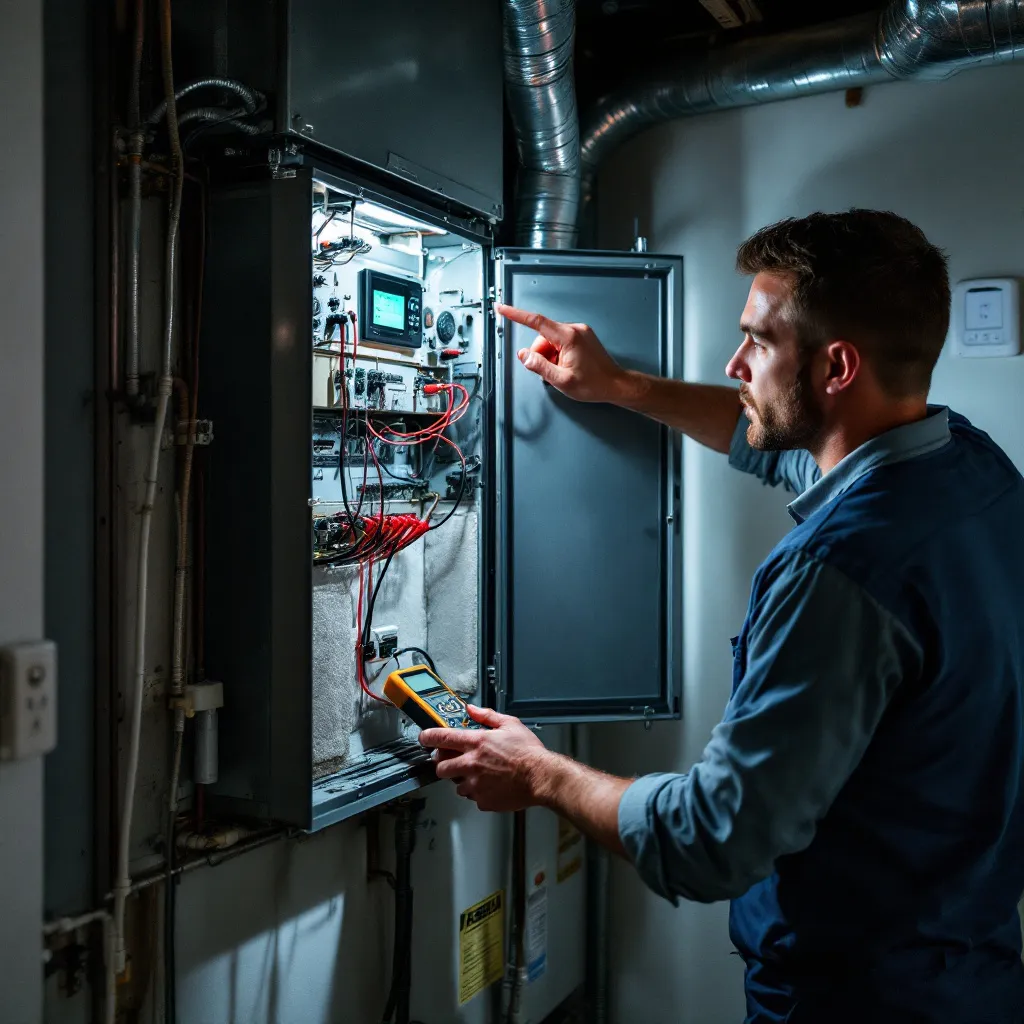
When a system won’t start, we take a methodical approach: check power and safety switches, inspect the control board, and observe the ignition sequence. Electrical faults can range from a simple tripped breaker to a failing capacitor or motor. Mechanical wear shows up as unusual noises—squeals, rattles, or grinding—indicating bearings, belts, or fan assemblies that need attention. Addressing these early during a diagnostic visit often prevents further damage and restores efficient operation.
Airflow, Filters, and Indoor Air Quality
In this region, homeowners sometimes overlook how filter condition affects overall furnace performance. A clogged filter forces the blower to work harder, causing higher run times and temperature inconsistency. Poor airflow can also trigger safety switches designed to protect the heat exchanger from overheating. Improving filtration and ensuring vents are unobstructed usually improves comfort immediately, and it’s a simple step I recommend during every service call. If you want a deeper performance boost, ask about upgraded filtration or airflow balancing during your service.
When Ignition and Combustion Become Concerns
Gas furnaces require careful attention to combustion and venting. Inadequate combustion can cause carbon monoxide risks or inefficient burning; that’s why we test combustion performance and inspect flue paths during every visit. Pilot lights on older furnaces might be temperamental due to clogged pilot orifices or thermocouple wear. For homeowners unsure about smell or performance, scheduling professional evaluation is the best next step; meanwhile, ensure proper ventilation and never ignore persistent gas odors.
Routine maintenance prevents many emergency calls. A seasonal tune-up addresses lubrication, filter replacement, thermostat calibration, and safety checks. We often advise setting a reminder each fall before the heating season kicks in; preventive care extends equipment life and improves energy efficiency. If you’ve had recent home improvements or pets that shed heavily, an extra mid-season check can keep small issues from escalating.
For more complex diagnostics, such as intermittent faults or control board errors, trusting a trained technician prevents misdiagnosis and repeated service visits. We bring tools and experience to identify whether a problem is electrical, mechanical, or related to ductwork, and we explain findings clearly so homeowners can make informed decisions about repairs or replacements. Along the way, we respect your home by protecting floors and communicating timelines for the work required.
When addressing long-term reliability, consider the history of your furnace—age, past repairs, and how long it runs each day. Systems over 15 years often need more frequent service or may be candidates for replacement when repairs become frequent. A thoughtful assessment balances the cost of repairs with expected remaining life and modern efficiency gains.
Midway through troubleshooting, I’ll often test components under load and simulate typical winter conditions to reproduce issues. If you’d like guidance now, our team can help with a thorough inspection and clear recommendations; many neighbors in Woodland Hills have benefited from proactive service that kept their systems running through chilly nights. For technical guides and scheduling, our main service page offers details on repair options and availability: Furnace Repair.
FAQs
Q: How can I tell if my furnace needs professional attention?
A: If you notice inconsistent temperatures, frequent cycling, unusual noises, or a persistent smell, those are signs a technician should inspect your system. Safety-related symptoms like strange odors or carbon monoxide alerts warrant immediate professional response.
Q: How often should I replace my air filter?
A: Check the filter monthly; many homes benefit from replacement every 1–3 months depending on occupancy, pets, and indoor air quality. A clean filter significantly reduces stress on the blower and maintains efficient operation.
Q: Is a noisy furnace a sign of failure?
A: Not always, but new or worsening noises often indicate worn bearings, loose panels, or failing motors. Addressing noise early prevents further mechanical damage and can avoid a costly breakdown.
Q: When is replacement a better option than repair?
A: If a system is older than 15 years, needs frequent repairs, or shows major component failure like heat exchanger issues, replacement may offer better reliability and efficiency. We provide honest evaluations to help you decide.
If you’re ready to restore comfort and safety to your home, reach out for fast, local Furnace Repair and experienced service tailored to Woodland Hills residents. Our team responds quickly, explains options clearly, and works to get your system back to reliable operation.
Global Green Solutions
20746 Clarendon St, Woodland Hills, CA 91367, United States
Phone: +1 (310) 507-7172