
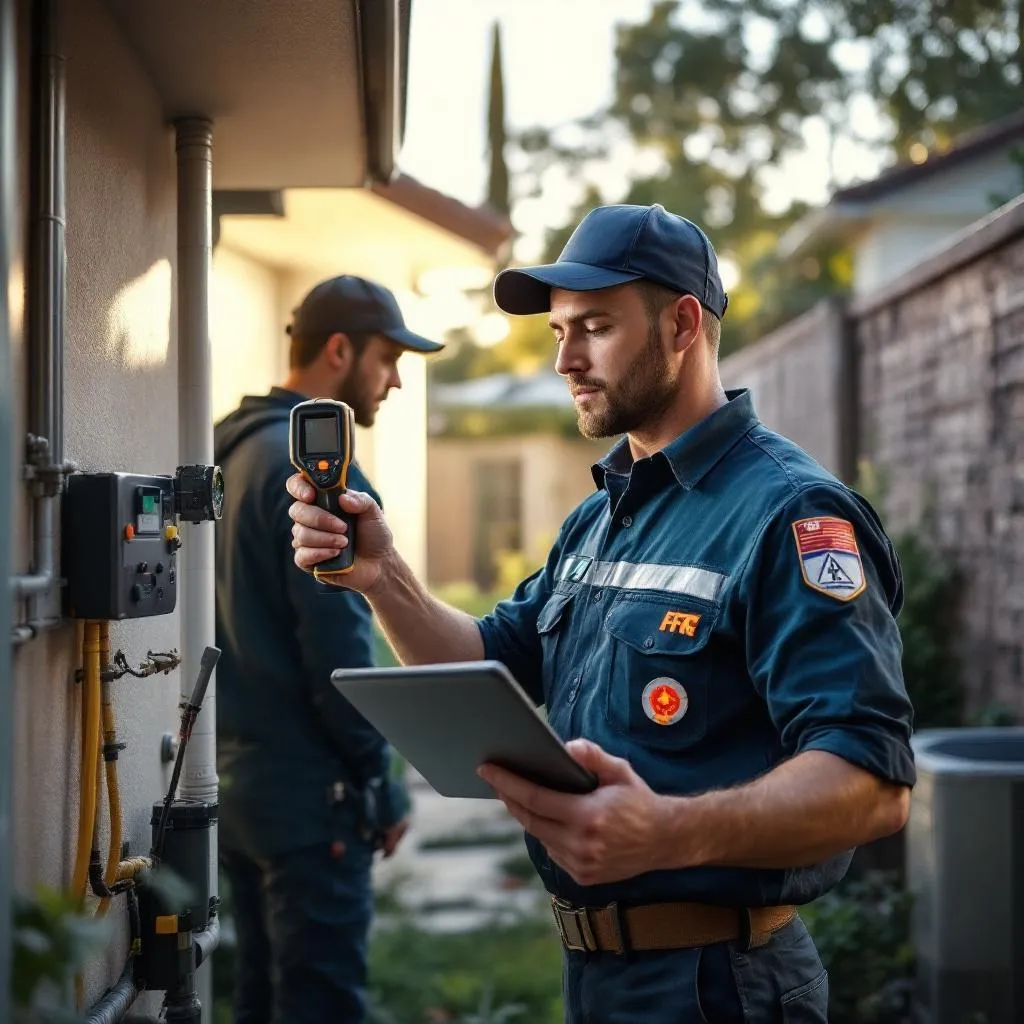
As a Woodland Hills HVAC contractor who has walked into hundreds of homes and businesses, I know that understanding when AC Repair is necessary can spare you the stress of a mid-summer breakdown. An inspection is more than a quick look—it’s a careful evaluation of system health, airflow, refrigerant charge, and electrical safety. That’s why I encourage homeowners to consider an early inspection at the first sign of uneven cooling or unusual sounds, and to reach out for a professional opinion if anything feels off. AC Repair
Why proactive inspections matter
In Woodland Hills, where summer days can push systems hard, a proactive inspection often reveals small issues before they become failures. I’ve seen dirty coils, worn belts, loose wiring, and low refrigerant mimic the symptoms of a failing compressor or motor. Addressing those issues early preserves system life and keeps families comfortable. My approach is to explain findings clearly and prioritize repairs that restore safe, reliable operation. A thoughtful inspection balances immediate needs with long-term performance so you can avoid emergency calls when temperatures climb.
When to schedule an inspection
There are times when an inspection is urgent and other moments where planned maintenance will do. If an AC is running but not cooling, making odd noises, cycling on and off rapidly, or emitting strange odors, those are clear triggers for a timely inspection. Homeowners who notice higher-than-usual humidity, spikes in their thermostat settings, or unexplained increases in thermostat runtime should contact a local technician. Inspections before peak summer allow technicians to tune the system and identify failing components in a calm, methodical way.
What a thorough inspection includes
A comprehensive inspection goes beyond a cursory glance. I check electrical connections and safety devices, measure refrigerant pressures, evaluate airflow across coils, and inspect condensate drains for blockage. Filters, ductwork, and thermostat calibration all get attention because small inefficiencies combine into larger problems. I also listen—an experienced technician can often identify worn bearings, failing fans, or compressor distress by sound. After the inspection I provide clear recommendations so you understand what’s needed and why, focusing on safety and reliability above quick fixes.
Signs of deeper issues
Some signs indicate deeper or imminent failures: repeated cycling, frequent tripping of breakers, ice on evaporator coils, or refrigerant leaks. When I encounter these during an inspection, I explain the root cause and the risks of delaying repair. In many cases, timely replacement of a failed capacitor, relay, or sensor can prevent further damage to a compressor—a more costly outcome. In others, equipment age and recurring breakdowns suggest it’s time to discuss replacement options and long-term efficiency gains.
Regular seasonal inspections are ideal, but unexpected problems happen. If you’re unsure, a short diagnostic visit often clarifies the next steps. When it’s clear that an appliance needs professional work, I always recommend addressing the issue promptly and with quality parts. That philosophy extends to recommending an experienced local team rather than a quick, temporary patch that could leave you in the heat later.
When homeowners ask about DIY checks, I encourage simple, safe steps: keep vents clear, replace filters on schedule, and ensure outdoor units are free of debris. Anything beyond filter changes and basic clearance—especially tasks involving refrigerant, electrical connections, or internal components—should be left to certified technicians. If a quick filter change doesn’t restore performance, schedule an inspection so the problem can be diagnosed properly.
When AC Repair Inspections Are Necessary
This is the moment many people overlook: inspections when performance declines even slightly. Small symptoms often precede major failures. For example, slight drops in cooling capacity can indicate low refrigerant or failing components that an inspection will catch. If you notice uneven cooling between rooms, unusual sounds, or a sudden rise in runtime, call for an inspection before the problem escalates. In many cases, a timely check prevents a mid-season emergency and extends the equipment’s usable life.
Mid-article, I remind residents that working with a trusted, local technician helps ensure continuity of service and quick responses during high demand. If you want reliable follow-up and a technician who knows local climate impacts on equipment, scheduling a professional AC Repair inspection is a smart step. A local expert can tailor maintenance to your system’s age and configuration, often saving time and reducing repeat visits.
FAQ
Q: How often should I have an AC inspection?
A: I recommend at least once a year, ideally before the cooling season, to catch wear and ensure efficient operation.
Q: Will an inspection tell me if my unit needs replacement?
A: Yes. An inspection evaluates performance and reliability and will indicate whether repairs or replacement offer the best long-term value.
Q: Can I perform an inspection myself?
A: You can perform basic checks like replacing filters and clearing debris, but refrigerant, electrical, and internal component diagnostics should be left to professionals.
Q: How long does a typical inspection take?
A: Most thorough inspections take between 45 minutes and 2 hours depending on system complexity and the issues found.
When you’re ready to take action, know that a timely, professional response preserves comfort and protects your home. For residents of Woodland Hills, a careful inspection and the right follow-up work make all the difference. To arrange a hands-on evaluation from a trusted local team, contact us to schedule an AC Repair inspection and restoration of reliable cooling. Your comfort is my priority, and I’ll explain each step so you feel confident about the work and the outcome.
20746 Clarendon St, Woodland Hills, CA 91367, United States
Phone: +1 +(310) 507-7172