Don't Get Beat
by The Heat
Don't Get Stuck In The Heat
AC Repair in Woodland Hills & Los Angeles
Get Your A/C Repaired Now!
Get Your Heater Repaired Now!
Get a Free Quote Now!
Our Press Releases


Global Green Solutions handles AC repair in Woodland Hills and across Los Angeles from our base at 20746 Clarendon St, repairing, installing and maintaining air conditioners, furnaces and heat pumps for homes and businesses around the clock. For nearly a decade, Global Green Solutions has been the leading provider of HVAC services & AC repair in Los Angeles and the San Fernando Valley.
Our licensed, NATE-certified technicians (ID: 8280402) are qualified to resolve any problems in your heating, ventilation, or air conditioning system.
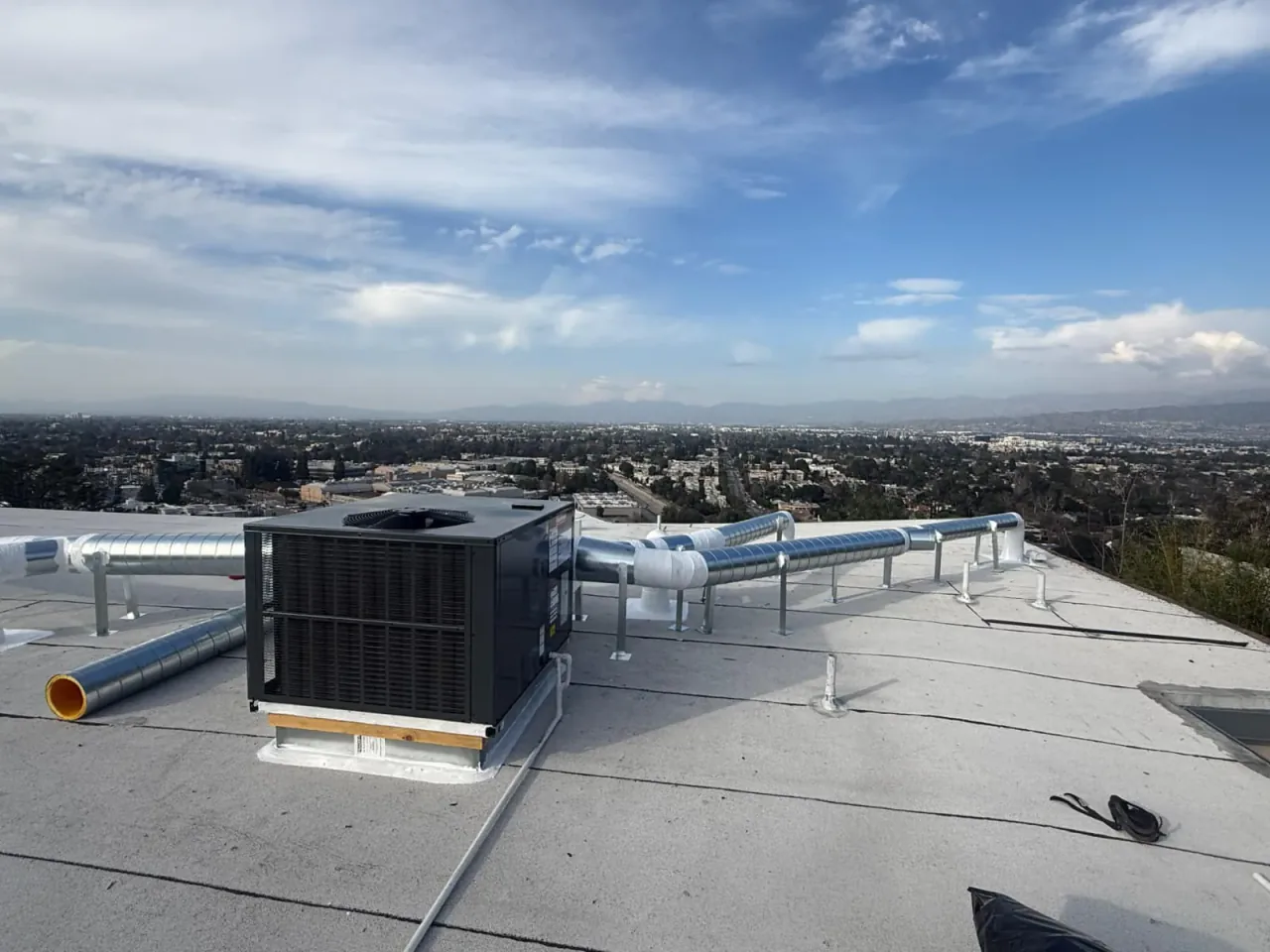
HVAC Repair Services
Our expert HVAC technicians are available 24/7
No matter the weather. Comfort and relief is just a phone call away!
-
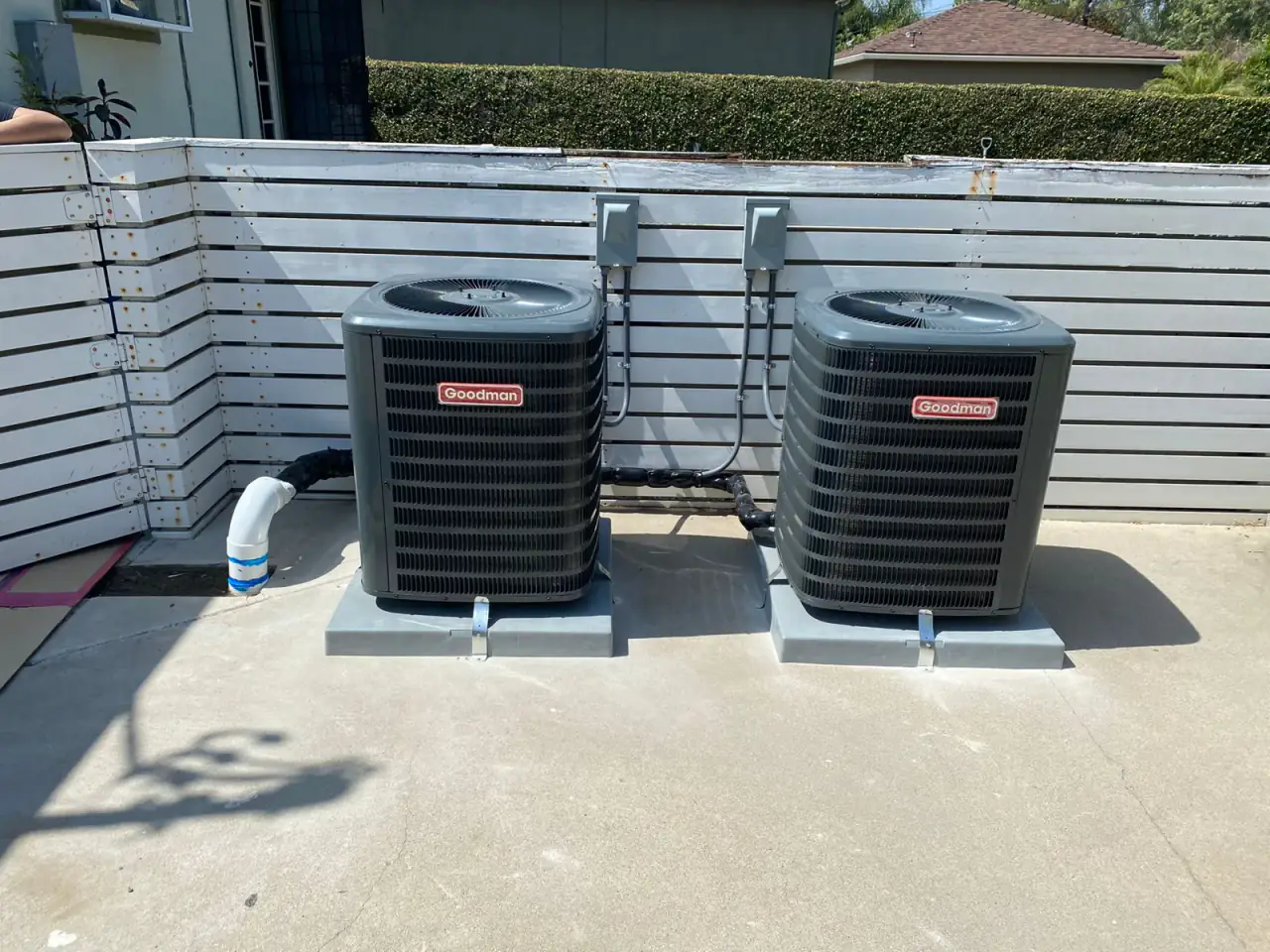
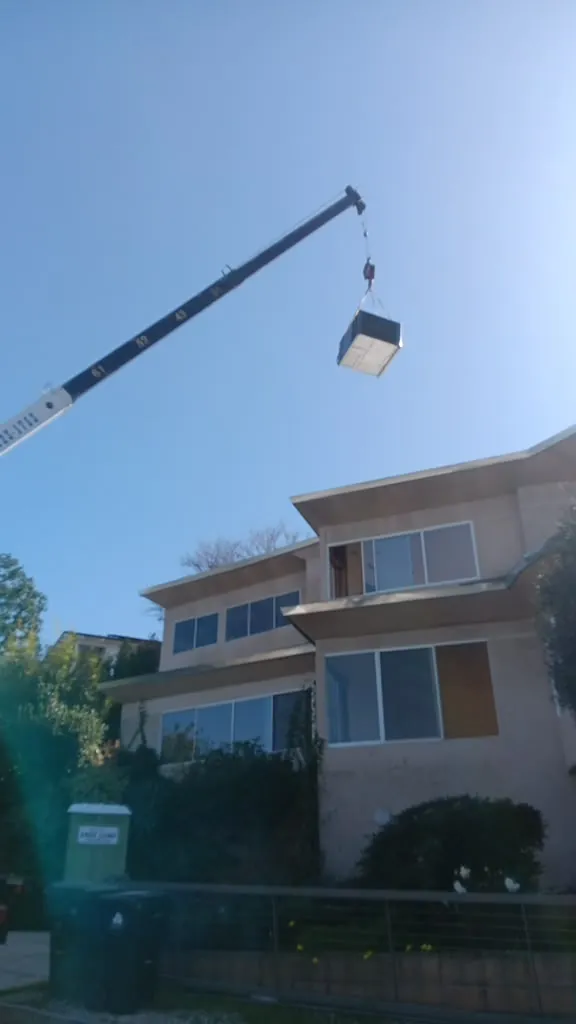
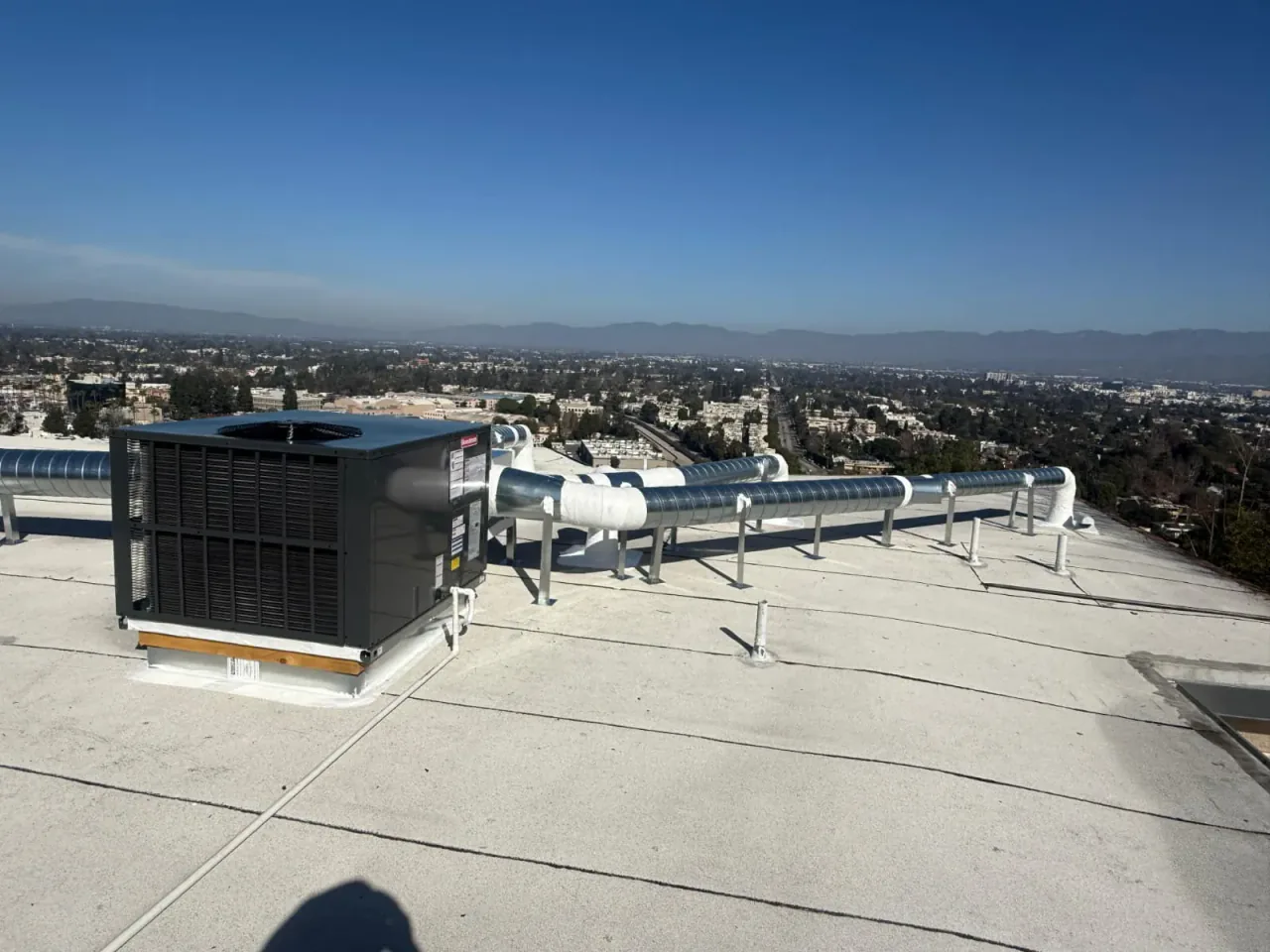
AC Installation
Let our experienced technicians install your new AC. Let our experienced technicians install your new AC. -
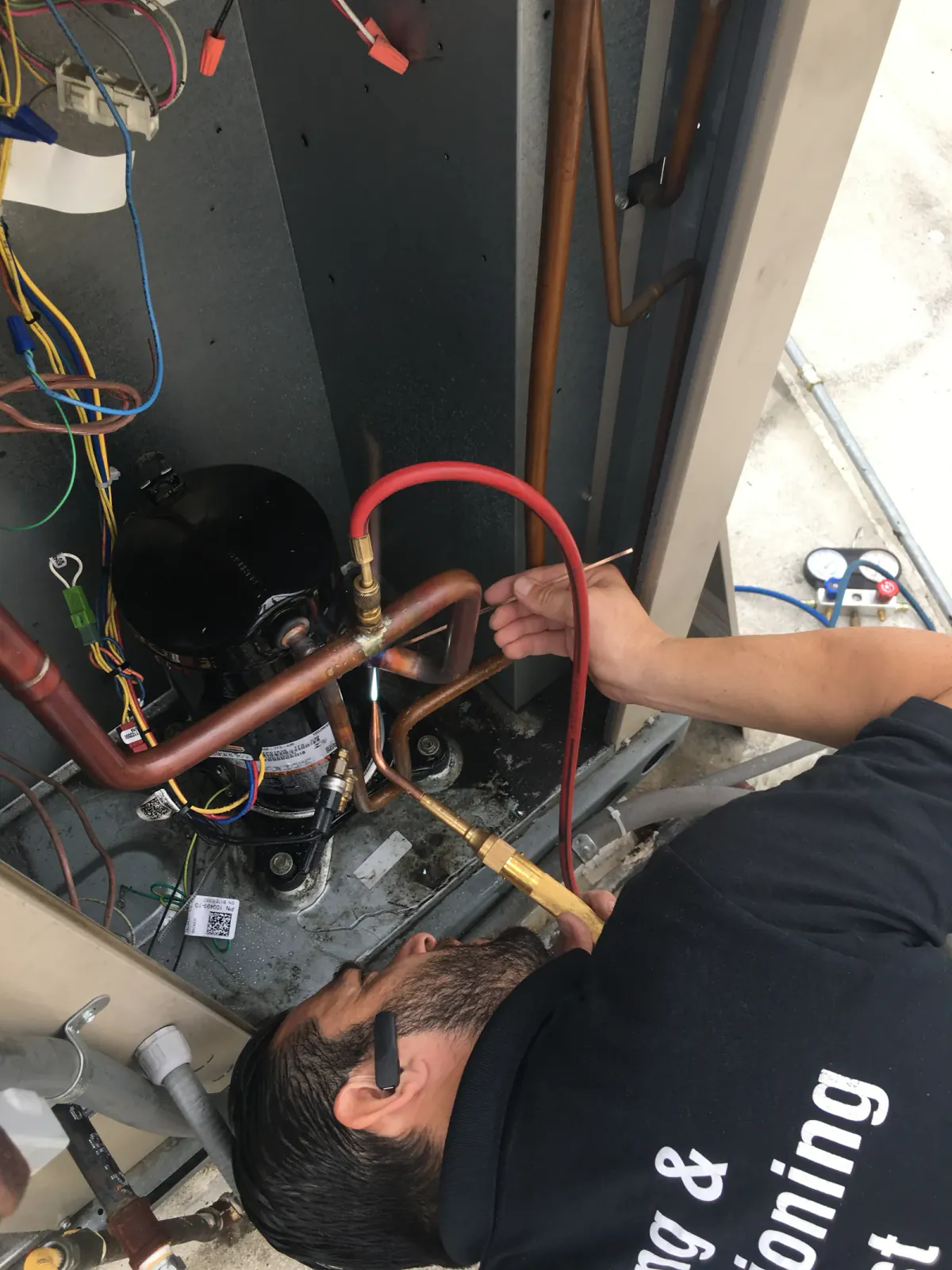
AC Repair
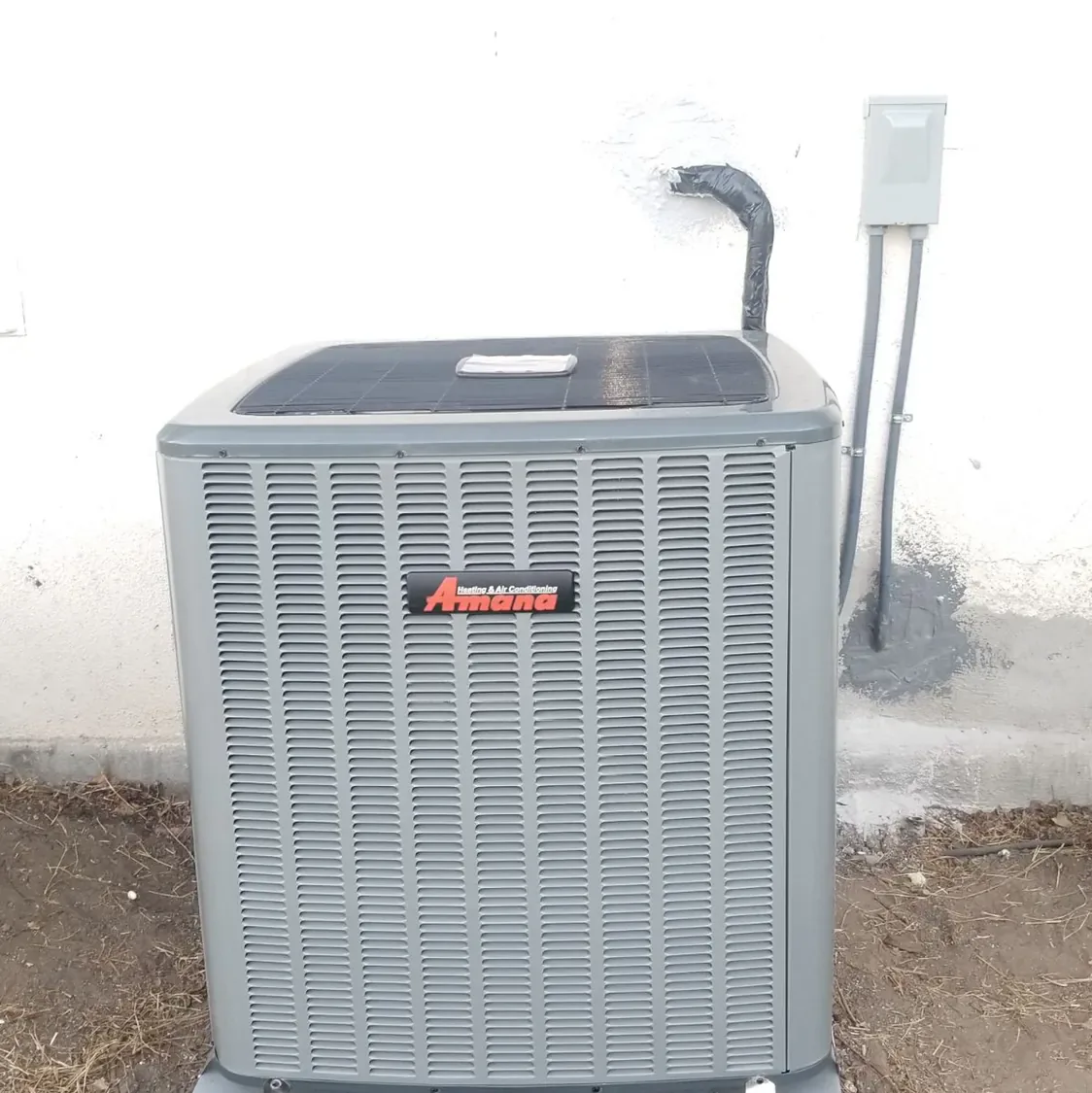
We offer 24/7 emergency repairs for your air conditioner. We offer 24/7 emergency repairs for your air conditioner. -
Furnace Repair
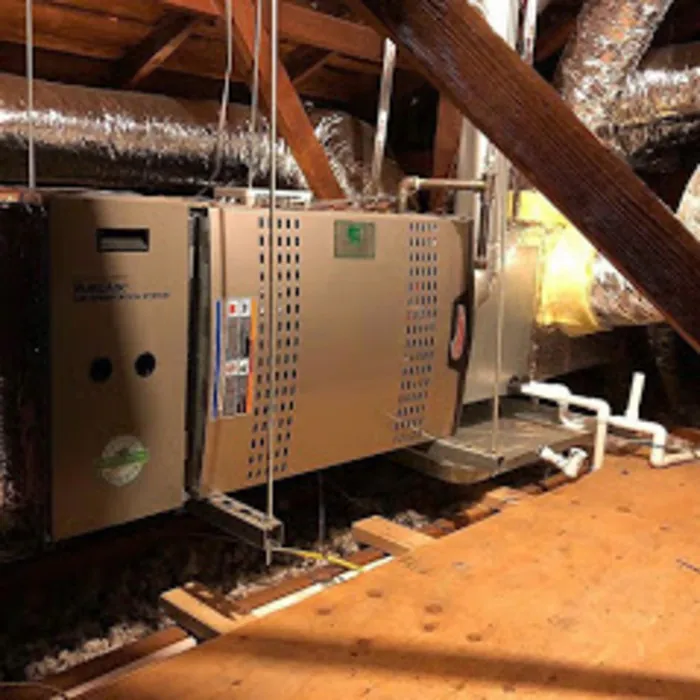
We work 24/7 to ensure professional emergency furnace repair services in Los Angeles. Attic Insulation New attic insulation can extend the life of your HVAC system. -
Heating Repair
Our team can repair your heating system & ensure efficiency. Our team can repair your heating system & ensure efficiency.
AC Repair Service
Why Choose Global Green Solutions
-
As Southern California temperatures climb, a reliable air conditioning system isn’t optional; it’s essential. At Global Green Solutions, we’re committed to bringing you sustainable, energy-efficient HVAC services at an affordable price point!
-
After hundreds of successful projects, and happy clients, we’ve built a reputation for punctual, efficient, and friendly HVAC service.
-
A proper AC diagnosis looks at the whole system: the thermostat, the electrical parts, the refrigerant circuit, the airflow and the condensate drain. You get a clear, upfront estimate before any work begins, and our vans carry common replacement parts, so many repairs are finished in a single visit.
-
Common AC and heating problems we repair:
- AC that runs but blows warm air, or cools only part of the house
- Frozen coils, water leaks and clogged drain lines
- Units that will not start, short-cycle or trip the breaker
- Furnaces and heat pumps that stop heating on a cold night
- Loud fans, weak airflow and energy bills that keep climbing
-
We are licensed by the CSLB (license #992930, classifications B and C20) and answer emergency AC and heating calls 24 hours a day, 7 days a week. Our AC maintenance plans cover yearly tune-ups, and when a system is past saving we handle AC installation and heating installation too.
GGS in Action: Smart HVAC & Energy-Efficiency Solutions
See how we keep Greater Los Angeles homes comfortable, clean, and energy-efficient year-round.
At Global Green Solutions, we don’t just talk about quality; we deliver it. Explore our video library to watch our licensed, NATE-certified technicians install top-tier AC units, perform heating tune-ups, and upgrade attic insulation across Southern California. Get expert tips to lower your energy bills and check out real project walkthroughs straight from the field.
Reliable HVAC Services Across Greater Los Angeles & The Valley
Centrally Headquartered in Woodland Hills, Serving Our Southern California Neighbors 24/7
Customer Reviews
Rated 4.9 on Google and 5.0 on Angi. Read more on our reviews page.
-
Our AC condenser broke and of all the people I talked to, Ernie was the most thorough in communication, helpful in his suggestions, and competitive in pricing. I knew a fair bit about AC systems, as I do some home improvement work, and so I knew that Ernie had the best plan for how to not only get our home AC working, but improved. His team's works was efficient, everyone wore masks the entire team, and we are very happy with the results.
Connor Keene
-
Ernie came out and gave me a free estimate to replace my AC unit. I got three quotes and Ernie's was the best. Also, he was the most thorough so I felt comfortable that the job would be done right. The team wore masks at all times which i appreciated. They were very professional and thorough in the installation. My new AC unit is working great and is so much quieter than my old one. I highly recommend Ernie and his team for your AC needs.
Lynne G.
-
Very trustworthy company! They completely replaced my heating system and this project went so smooth thanks to Sam and his well organized team. The final price was very acceptable for such a great service. Highly recommend Global Green Solutions!
Jason Long
-
They called and spoke to us for over 30 min at 9:30 pm and were willing to try and trouble shoot over the phone (very caring and kind) . It turned out to be a bit more complex and a technician came the next day. They fixed the heating problem in less than 30 min. and charged us a very modest fee. Very good service and everything is working fine now. I'm very happy with my experience and would strongly recommend them
Rori Don Michael
Subscription Plans
-
SUMMER
$150
(March-May)
- Clean condenser
- Check evaporator coil
- Check refrigerant lines
- Check Start and Run capacitors
- Check Start and Run relays
- Check refrigerant level
- Check condensate drain
-
WINTER
$150
(October-January)
- Clean burners
- Carbon monoxide check
- Check for proper venting
- Check manifold pressure
- Check service valves
- Check heat exchanger/chamber
-
YEARLY
$250
(January-December)
- All Year Round Subscription
- Check electrical connections
- Check safety controls
- Check thermostat calibration
- Check fan blade tightness
- Lubricate fan motor
- Measure amp draw
- Check airflow
Special Offers
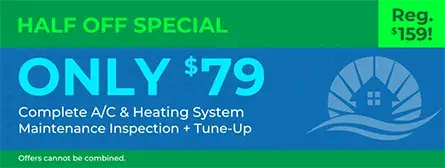
Current Promotions

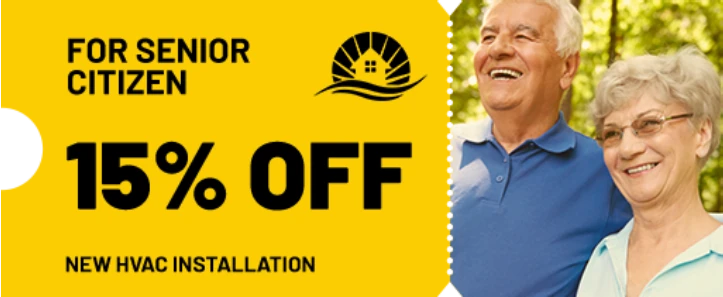

Explore The Benefits
Flexible & Affordable Service
When you choose Global Green Solutions for your repairs or installations, you’re making an investment in your home or property!
We’re so confident in our work that we’ll even offer our labor for free if you need any repairs during your annual maintenance appointment.