
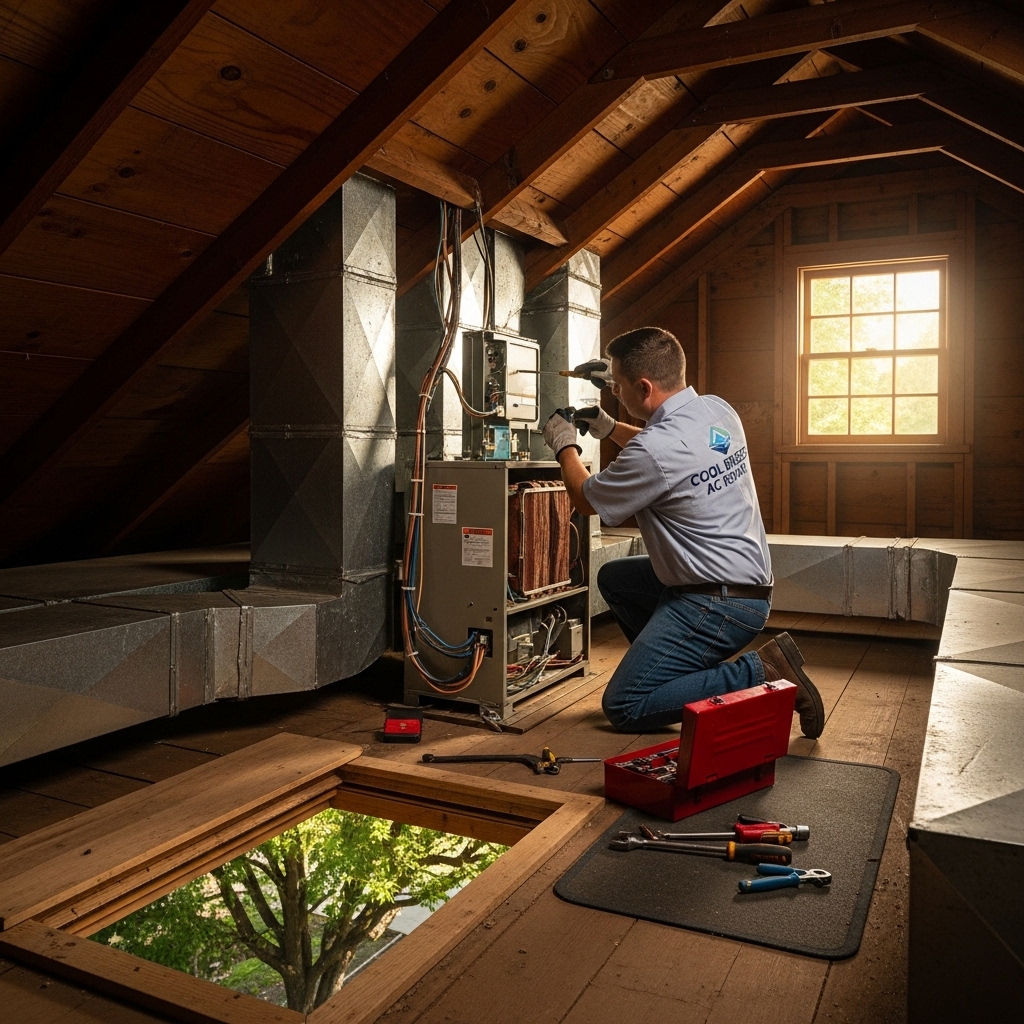
Older homes in Woodland Hills have a character that modern construction often tries to imitate: generous eaves, mature trees, and rooms that open to the backyard breeze. But when the summer sun lingers, a vintage floor plan and legacy building materials can challenge even a dependable cooling system. If you live in a mid-century ranch near Ventura Boulevard, a hillside cottage tucked above Mulholland, or a long-cherished family home that has evolved through renovations, you already know the balance between preserving character and staying cool. Air conditioner repair for older homes is a specialized craft, one that blends diagnosis with design, respect for original details with modern performance, and an understanding of how these houses breathe.
In these homes, system access might be tight, equipment may be older, and ductwork can reflect decades of adjustments made during additions and remodels. That does not make reliable comfort out of reach—it simply means a successful repair starts with careful listening and a plan tailored to your home’s history. When you partner with a local expert who has spent time in Woodland Hills attics, crawl spaces, and rooftops, you get more than a fix; you get guidance that fits your home’s story. If you are looking for the right partner to restore cooling without compromising character, a team experienced in AC repair for older homes can make all the difference.
The quirks and charms of vintage systems
Older homes bring a range of equipment configurations. Some still use original return locations that are undersized for today’s airflow needs. Others have ductwork that snakes through tight chases, with insulation that has settled over the years. You may see rooftop package units serving expanded footprints or split systems tucked into garage corners. In many cases, the equipment has been replaced at different times, leaving a patchwork of components that work together—just not always gracefully.
These quirks shape repair strategy. A technician who knows older homes expects surprises behind access panels and is ready to assess not just the failed part but the environment around it. That means checking for heat-soaked attics, verifying that returns are adequate, and confirming that line sets and drains are routed sensibly for your home’s layout.
Diagnosing with respect for the home
Good diagnosis starts with listening to you: when does cooling fall short, which rooms lag, what noises or smells appear, and what changes have been made over the years? A visual tour of the system follows—air handler, outdoor unit, duct runs, returns, registers—paired with targeted tests. In older homes, where registers may be decorative and ceiling spaces limited, precision matters. Technicians measure temperature drop across coils, test electrical components, verify refrigerant pressures, and look for airflow choke points created by past remodels.
Respect for the home shows up in small details: shoe covers, clean drop cloths, careful navigation of ceilings and attics, and a commitment to leaving spaces as tidy as they were found. The goal is to restore function while protecting what makes the house special.
Airflow is the secret to comfort
Many older homes were not designed around modern air distribution. Small returns, long runs, and decorative registers can starve the system or create uneven cooling. During a repair visit, attention to airflow can turn a good fix into a great result. Sealing leaky joints in hot attics keeps more conditioned air in the ducts. Adjusting dampers helps balance rooms. In some cases, adding a return or reorienting a supply register transforms an always-warm den or a stuffy bedroom into a comfortable retreat.
Woodland Hills attics can be particularly challenging in summer, with heat that lingers well into the evening. Reducing duct losses in that environment pays immediate dividends, making the entire home feel more even once the mechanical issue is resolved.
Electrical and access considerations
Older electrical panels and branch circuits may not match the expectations of modern equipment. During a repair, a conscientious technician evaluates connections, verifies proper voltage, and ensures that disconnects are accessible and safe. Access challenges—narrow attic hatches, built-in shelving that hides a return, or landscaping close to the condenser—are handled with planning and care. These are not obstacles so much as reminders that every home tells its own story, and that careful preparation is the key to working well within it.
When rooftop access is necessary, safety and respect for roofing materials matter. Professionals schedule work to avoid unnecessary heat stress on the roof when possible and use gentle handling that protects shingles, tiles, or flat roof membranes.
Repair today, preserve tomorrow
For many homeowners, the priority is straightforward: restore cooling quickly and keep it reliable through the season. A good repair does exactly that while also strengthening the system for the future. Cleaning coils, clearing drains, verifying charge, and tightening electrical connections reduce strain. If a component fails, the technician also considers why—heat exposure, airflow restriction, vibration—and addresses the underlying cause so you are not revisiting the same issue in a few weeks.
In older homes, these steps are particularly powerful because small improvements compound. Better airflow and cleaner coils take pressure off aging components, extending the system’s useful life while keeping rooms consistently comfortable.
Blending old and new with discretion
Sometimes a repair visit raises larger questions about how to integrate modern comfort with historic character. Maybe a sunroom added in the 1980s is always warm. Perhaps a guest room above the garage struggles to keep up. Ductless mini-splits can be a discreet way to serve these spaces without altering original ducts or carving new chases through finished walls. Low-profile ducted solutions can also tuck into existing cavities, preserving sightlines while improving distribution.
The point is not to modernize for its own sake but to choose solutions that respect the home. The best outcomes feel seamless—a quieter bedroom, a calmer den, cooler evenings in a family room that once overheated—without calling attention to the technology that makes it happen.
Communication that earns trust
Older homes ask for patience and clarity. A respectful technician explains what they find, how the proposed repair addresses the problem, and what steps might further enhance comfort over time. You should expect updates before arrival, careful protection of floors and finishes, and a tidy workspace when the job is done. If a specialized part is required, a clear plan for follow-up keeps uncertainty low and confidence high.
That same clarity helps you plan beyond today’s repair. If a return is undersized or a duct leaks, knowing your options—now or later—puts you in control. This is your home, with a personality all its own; you deserve to understand how each decision supports its comfort and character.
Midpoint reminder: choose local experience
Experience with older Woodland Hills homes is not an abstract credential—it is a practical advantage. Familiarity with common layouts, attic conditions, and equipment choices makes diagnosis faster and solutions more precise. If you want a team that can solve the immediate issue and advise on graceful improvements, look for local pros who specialize in thoughtful AC repair woven into the fabric of older homes.
Maintenance tailored to vintage houses
Routine care is your best defense against midsummer surprises. Filters sized correctly for vintage returns keep airflow healthy. Regular coil cleaning helps equipment breathe in dusty, sun-baked conditions. Drain line checks prevent overflow in tight interior closets. Documenting system health during each visit creates a map of your home’s mechanical story, making future troubleshooting faster and more accurate.
Scheduling maintenance in spring sets you up for success before the high heat arrives. Fall visits help the system recover from a long summer and prepare for milder seasons ahead. Over time, this steady attention turns an older home’s cooling from temperamental to dependable.
Respecting materials and finishes
Older homes often feature original hardwood, delicate trim, or plaster finishes that deserve careful handling. Professional technicians protect these surfaces with drop cloths and mindful movement of tools and ladders. They understand how to move through tight hallways, avoid scuffs, and keep work contained. Your home’s character is preserved not just by what gets fixed but by how the work is done.
Outdoors, thoughtful handling of landscaping near the condenser keeps plants healthy and access clear. Good airflow around the unit matters as much for performance as it does for ease of service.
Comfort that honors character
At the end of the day, a successful repair is about restoring equilibrium—cool, even rooms where family life unfolds comfortably, without drafts or hot spots. In older Woodland Hills homes, that often requires a blend of careful mechanical work and small design improvements. The reward is everyday comfort that feels natural, as if the house always knew how to keep itself cool.
FAQ
Are older homes harder to repair?
They can present unique challenges—tight access, legacy ductwork, and thoughtful handling of finishes—but experienced technicians anticipate these factors. With careful planning, repairs proceed smoothly and often reveal opportunities to improve overall performance.
Can I keep my home’s original registers and still improve comfort?
In many cases, yes. Adjustments to airflow, added returns, and strategic sealing can enhance distribution without replacing decorative registers. Solutions are chosen to respect your home’s style while improving performance.
What if my system is very old?
Older systems can often be repaired, especially when common components are at fault. A candid assessment of overall condition helps you plan for future updates while enjoying reliable comfort now.
How do ductless options fit into older homes?
Ductless mini-splits offer targeted cooling for additions or rooms that struggle, without altering existing ductwork. They can be placed discreetly and tuned for quiet, efficient operation that blends into daily life.
What can I do to prevent midsummer breakdowns?
Consistent maintenance is your best ally. Keep filters clean, ensure outdoor coils are free of debris, verify drainage, and schedule seasonal checkups. These steps reduce strain and keep comfort predictable in Woodland Hills heat.
Will repairs disturb my home?
Professional teams work neatly, protect surfaces, and communicate clearly about access and timing. The goal is to solve the problem while leaving your home as cared-for as when they arrived.
Let’s bring cool back—gracefully
Your older Woodland Hills home deserves comfort that honors its character. When the heat builds and you need a steady hand, choose a local expert who understands how these houses work and what they need to feel right. For thoughtful, reliable AC repair that respects your home’s story, reach out and feel the difference in every room.