
The way we cool our homes in Woodland Hills is changing, and the shift is easy to feel when you live through long summers in the Valley. Repairs are no longer just about replacing a part that failed. They are about restoring performance in smarter systems, integrating new technology, and preparing equipment to handle hotter, longer seasons. Homeowners who understand today’s repair trends can make better decisions, extend the life of their equipment, and enjoy steadier comfort. That starts with seeing where the industry is headed and how local realities shape the best choices. If you are looking to align your home with the most effective practices, professional AC repair is the front door to those improvements.
Smarter Diagnostics and Data-Driven Repairs
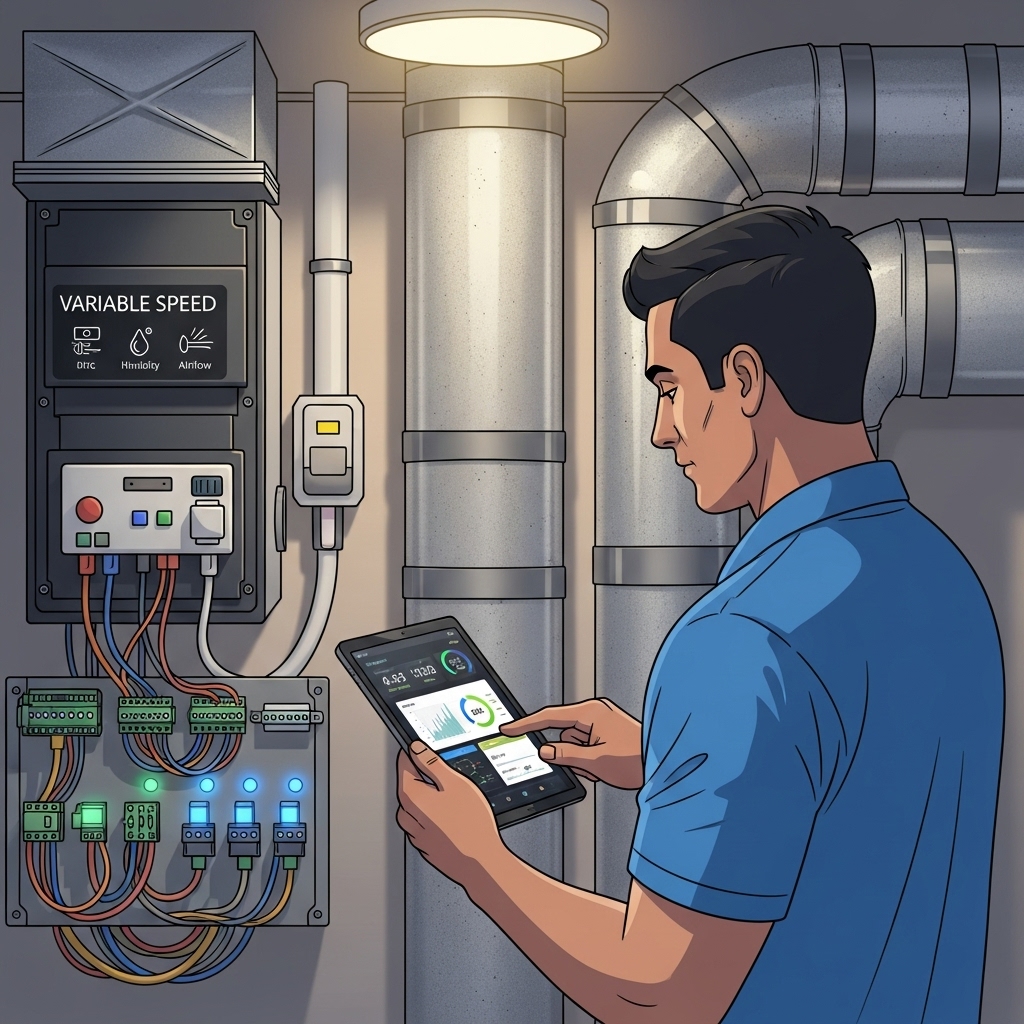
Modern systems increasingly include built-in sensors and connectivity, which means repairs begin with better information. Technicians can read fault histories, monitor motor speeds, and view temperature and pressure data in real time. This reduces guesswork and helps pinpoint root causes. In Woodland Hills, where systems face high attic temperatures and heavy loads, those insights make a real difference. A technician can see if a motor is operating outside of its target range or if a coil is running colder than expected under certain conditions, then correct exactly what is out of spec rather than swapping parts in hope of a fix.
Even in older systems, portable diagnostic tools have improved. Accurate measurements of static pressure, fan airflow, and refrigerant charge give a clear picture of performance. That means the repairs you authorize are tied to measured problems and measured results, not anecdotes.
Variable-Speed and Inverter Technologies
Variable-speed air handlers and inverter-driven compressors are becoming more common in Woodland Hills homes. These systems modulate to match load, running longer at lower speeds for better humidity control, quieter operation, and more consistent temperatures. When they need repair, the approach is different from a traditional single-stage system. Technicians focus on communication signals, control boards, and sensor integrity as much as on mechanical components. The benefit is that a properly repaired variable-speed system often delivers smoother comfort than you have felt before, especially during evenings when the house tends to warm unevenly.
Repairs on these systems also tend to include firmware updates or recalibrations, not just part replacements. Keeping controls up to date ensures the equipment responds accurately to the home’s changing needs throughout the day.
Refrigerant Transitions and What They Mean for You
The refrigerant landscape continues to evolve toward lower global warming potential options. For homeowners, the key repair trend is careful leak detection and charge management. A precise charge is essential to protect compressors and maintain efficiency, and that precision matters more than ever with modern refrigerants and tighter systems. In practice, this means better tools for leak finding, more attention to brazing quality and sealing, and thorough post-repair testing to confirm stability. In Woodland Hills, where long run times are normal, a stable, correct charge is one of the best investments you can make in system reliability.
Duct Performance as a Repair Priority
It is increasingly common for repair visits to include a quick evaluation of duct performance. High attic temperatures exaggerate the impact of duct leaks and restrictions. A weak room or persistent warm pocket often points to static pressure issues, undersized returns, or damaged flex duct. Addressing those problems at the time of repair can be the difference between a fix that works on paper and comfort you feel in every room. Sealing connections, re-hanging low spots, or balancing airflow can all be part of today’s repair strategy.
Cleaner Coils, Quieter Homes
Coil cleaning has always mattered, but the emphasis today is on careful, thorough methods that protect sensitive coatings and electronics. Outdoor condensers in our area collect dust from dry breezes and occasional construction nearby, and indoor coils can pick up fine particles even with regular filter changes. A proper cleaning restores heat transfer and reduces noise, because fans do not have to work as hard to move air. You will notice the difference when the system ramps up more gently, holds temperature evenly, and settles back without rattles or hums.
Connected Thermostats and Service Visibility
Smart thermostats are common, but the repair trend is using them as service tools. When a thermostat can share data or alert you to unusual runtime or short cycling, you can call for help before a small issue becomes a bigger one. Technicians can also use that data to see how the system performs through the day, not just during the hour they are on site. In our climate, where temperature swings from afternoon to evening can be steep, that wider view supports more accurate solutions.
Resilience Planning for Extreme Heat
Repairs today often include small enhancements that make systems more resilient during heat waves. A soft start device to reduce compressor stress at start-up, a float switch to protect against drain backups, or a properly sized surge protector to guard sensitive electronics can be suggested as part of a repair plan. These are not add-ons for the sake of it; they are practical measures that help your system ride out rough conditions with less wear.
In the rhythm of long summers, mid-season tune-ups and targeted fixes provide breathing room when the forecast spikes. If your home feels like it is on the edge of comfort when temperatures soar, a combination of diagnostics and strategic repairs will bring it back into the safe zone and keep it there.
As you consider how to keep your home ready for peak season, remember that the gateway to these trends is thoughtful, professional AC repair anchored in local experience. Each visit is a chance to bring your system up to the current standard of performance, not only to stop a symptom.
What Woodland Hills Homes Specifically Need
Our mix of architectural styles and installation locations means solutions must be customized. A 1960s ranch with an air handler in a hall closet asks for different strategies than a two-story home with equipment in the attic. Repairs that work well in one setting might fall short in another unless the technician accounts for return paths, sun exposure, and room-by-room loads. This local nuance is why residents benefit from working with teams who know the Valley’s microclimates and how homes behave from late afternoon into the evening.
From Repair to Long-Term Reliability
The biggest trend of all might be the shift from reactive fixes to proactive performance care. When repairs are paired with routine checks, you avoid the ups and downs of waiting for a failure. Instead, you move steadily toward a home that feels calm and predictable, even when the weather is not. That is the form of comfort that reduces stress, supports good sleep, and makes daily routines smoother for everyone in the household.
FAQ
What makes variable-speed systems different to repair?
They communicate constantly with sensors and control boards, so diagnostics focus on signals and calibration as much as on hardware. When repaired correctly, they deliver quieter, more even cooling because they modulate to match the home’s needs.
Are smart thermostat alerts really useful for repairs?
Yes. Alerts about unusual runtime or short cycling can point to issues before they become failures. Data also helps technicians see performance over time, which is valuable in a climate with big afternoon peaks like ours.
How do duct issues show up during hot weather?
Rooms that lag, noisy vents, and high static pressure readings are clues. Heat exaggerates the impact of leaks and restrictions, so addressing duct performance during a repair often leads to immediate, noticeable improvements.
Will new refrigerant rules affect my existing system?
They can, mostly by making precise charge management and leak prevention more important. A careful repair that finds and resolves leaks, then validates system performance, protects your equipment and keeps it compliant with evolving standards.
What simple enhancements improve resilience during heat waves?
Soft start devices, clean coils, clear drains, and surge protection are practical steps. Together with proper charge and airflow, they give your system the buffer it needs to run steadily through extreme heat.
Schedule With Confidence
If you want your cooling to reflect the best of today’s practices, schedule expert AC repair now. A modern, locally informed approach will bring your system up to standard and keep your Woodland Hills home comfortable through the longest summers.